

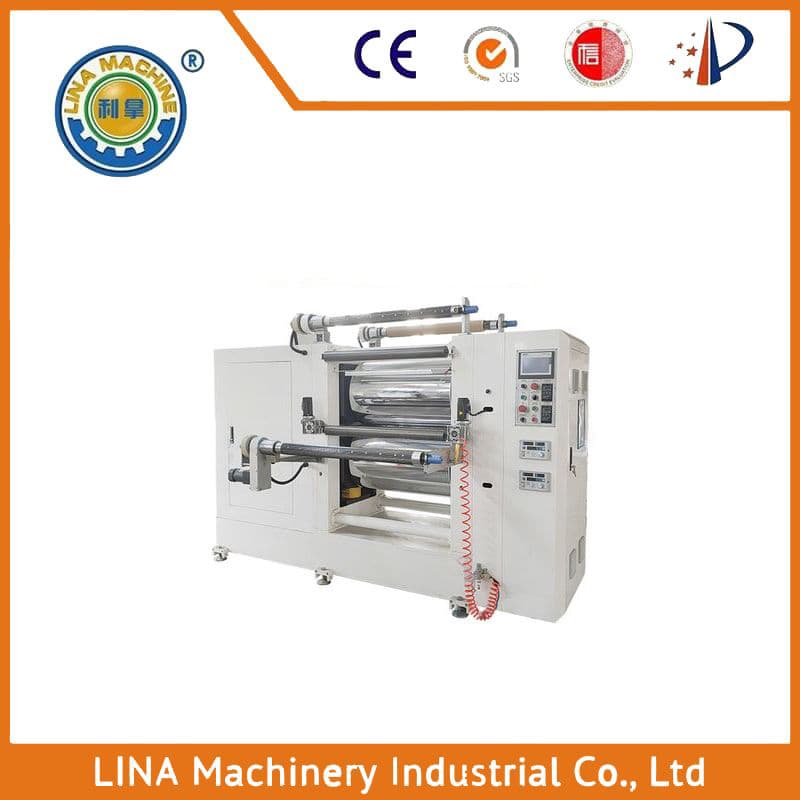
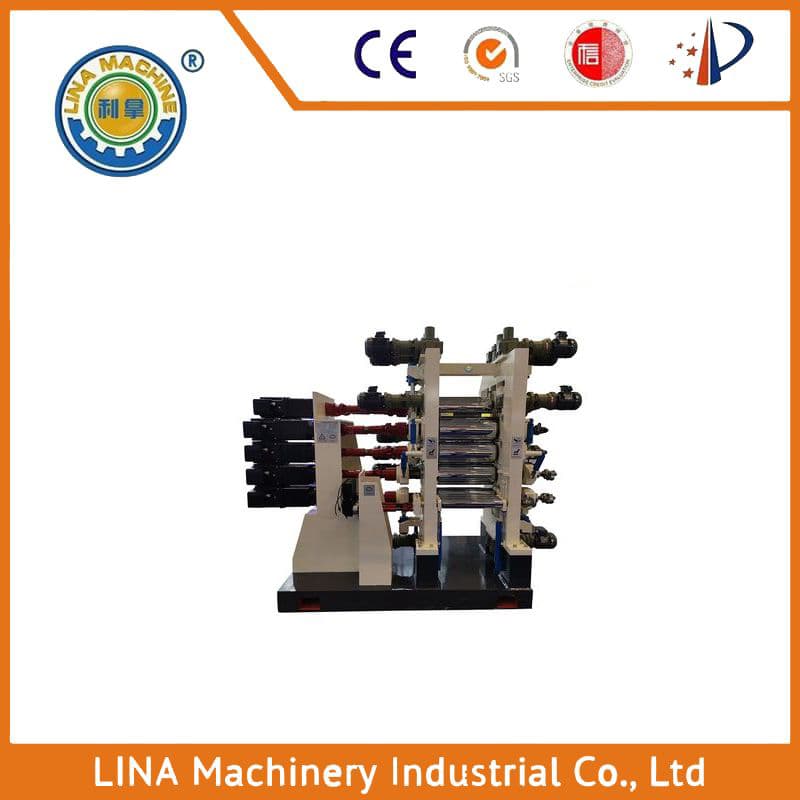
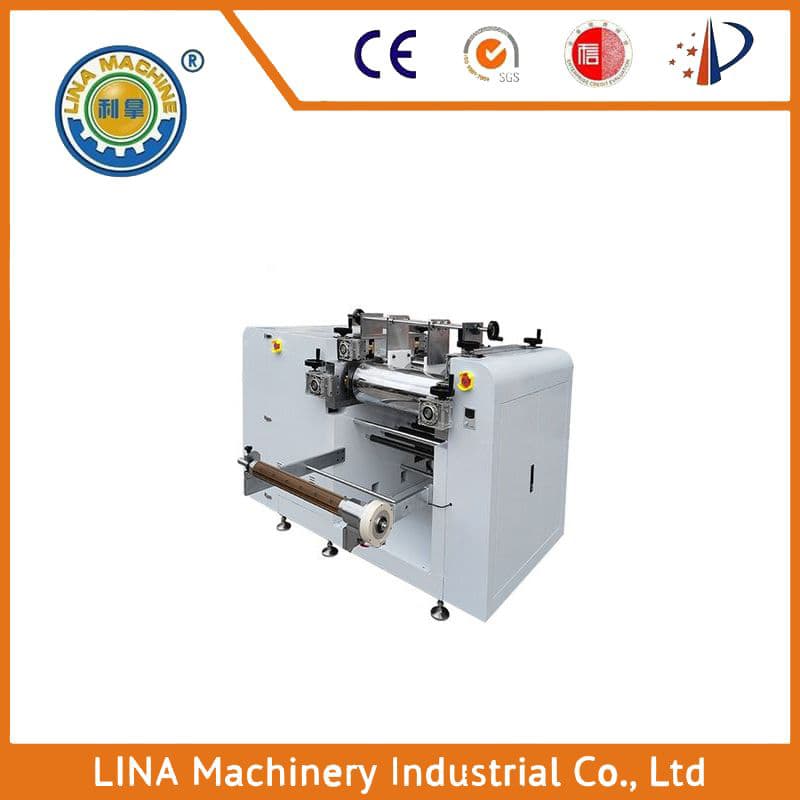
The Role of the Mixing Machine in the Manufacturing Industry
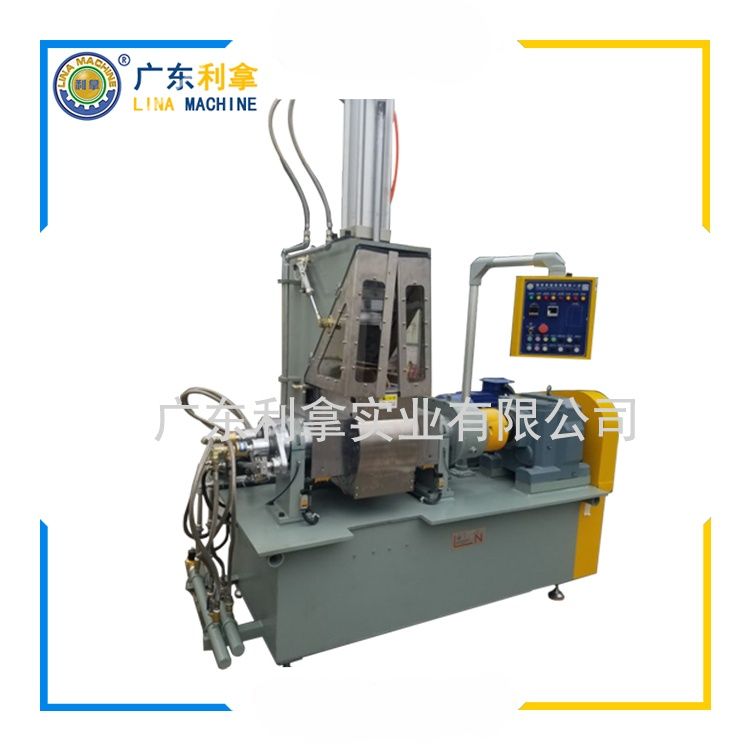
The mixing machine is an essential tool in the manufacturing industry, used to combine and blend different materials into a uniform mixture. It plays a crucial role in various industries such as food processing, pharmaceuticals, chemical engineering, and more. In this article, we will explore the different types of mixing machines, their applications, and some tips for maintaining them effectively.
Types of Mixing Machines:
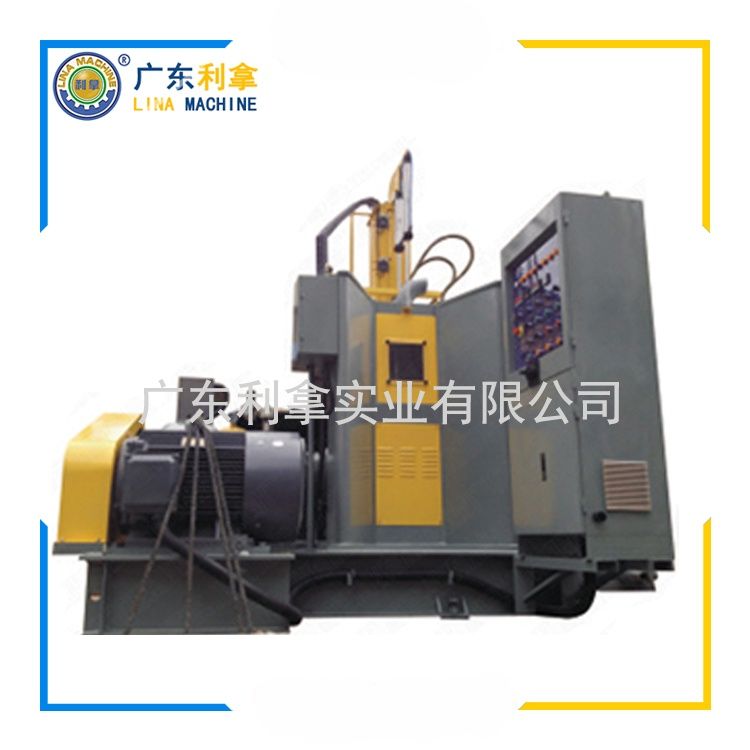
1. Rotary Mixers: These are the most common type of mixing machines used in industrial settings. They consist of a rotating drum that mixes the ingredients by rotational forces. Rotary mixers are versatile and can handle a wide range of materials, including liquids, solids, and powders.
2. High-Speed Shear Mixers: These machines use high-speed shear forces to break down the ingredients into smaller particles, resulting in a more homogeneous mixture. They are ideal for mixing thick or viscous materials.
3. Blown Mixers: These machines use air pressure to mix the ingredients, which helps to evenly distribute the ingredients throughout the mixture. They are particularly useful for mixing granular materials.
Applications of Mixing Machines:
1. Food Processing: Mixing machines are used extensively in the food industry to ensure the quality and consistency of products like dough, batters, and sauces. They help to achieve the desired texture and flavor profile.
2. Chemical Engineering: Mixing machines are essential in the production of chemicals, where they help to mix reactants and produce desired compounds.
3. Textile Industry: Mixing machines are used in the textile industry to blend fibers and create yarns with specific properties.
Tips for Maintaining Mixing Machines:
1. Regular Maintenance: Regular maintenance of mixing machines is essential to ensure their longevity and efficiency. This includes cleaning the components regularly, lubricating moving parts, and checking for any signs of wear and tear.
2. Proper Operation: Follow the manufacturer's instructions carefully when operating mixing machines, as improper use can damage the equipment or lead to uneven mixing.
3. Safety Measures: Ensure that all safety measures are in place when using mixing machines, including proper ventilation, wearing protective gear, and following emergency procedures in case of an accident.
In conclusion, mixing machines play a vital role in the manufacturing industry, enabling the creation of high-quality products. By understanding the different types of mixing machines and their applications, as well as taking care of them properly, manufacturers can ensure that their machinery remains efficient and reliable.