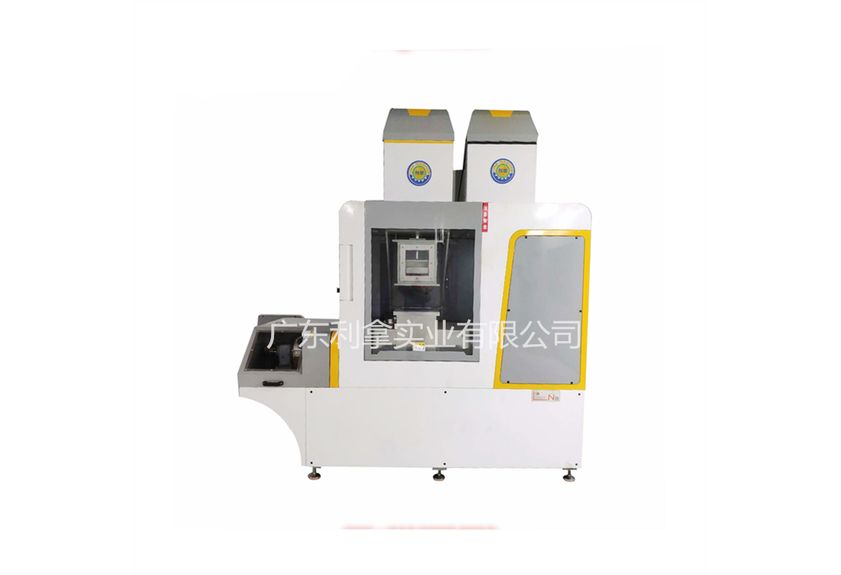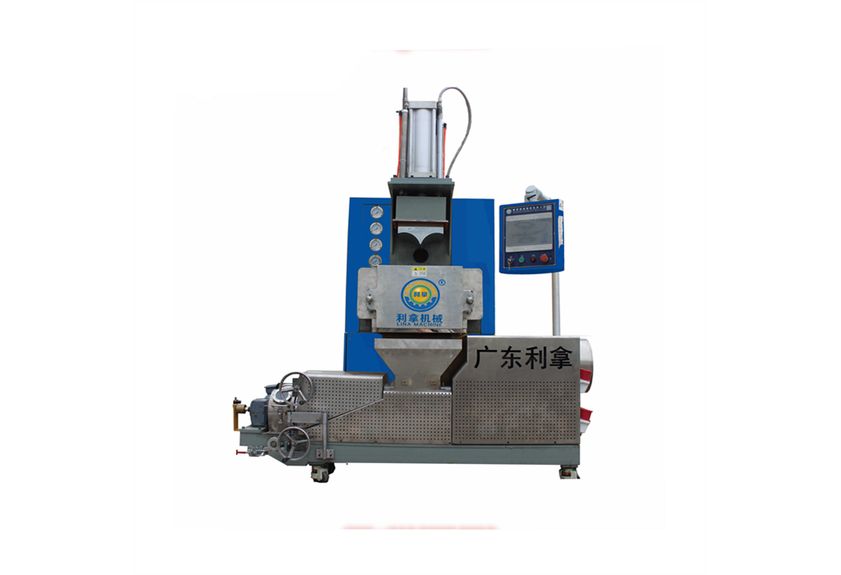



The Art of Particle Formation: An Overview of Ceramic Powder Grinding Machines
Ceramic powder grinding machines are essential tools in the production of ceramic materials, as they enable the efficient and precise processing of raw materials into finely-milled powders. These machines play a crucial role in the manufacturing process, from the initial preparation of raw materials to the final product's quality control. In this article, we will explore the different types of ceramic powder grinding machines, their applications, and how they contribute to the overall success of ceramic production.
Firstly, let us discuss the basic components of a ceramic powder grinding machine. These include a rotor, which is responsible for grinding the material, a feeder system that delivers the raw material to the rotor, and a discharge system that collects the processed powder. The design of these components determines the efficiency and performance of the machine. For example, a high-speed rotor with a large surface area can grind larger particles more efficiently, while a low-speed rotor with a small surface area may be better suited for finer grinding.
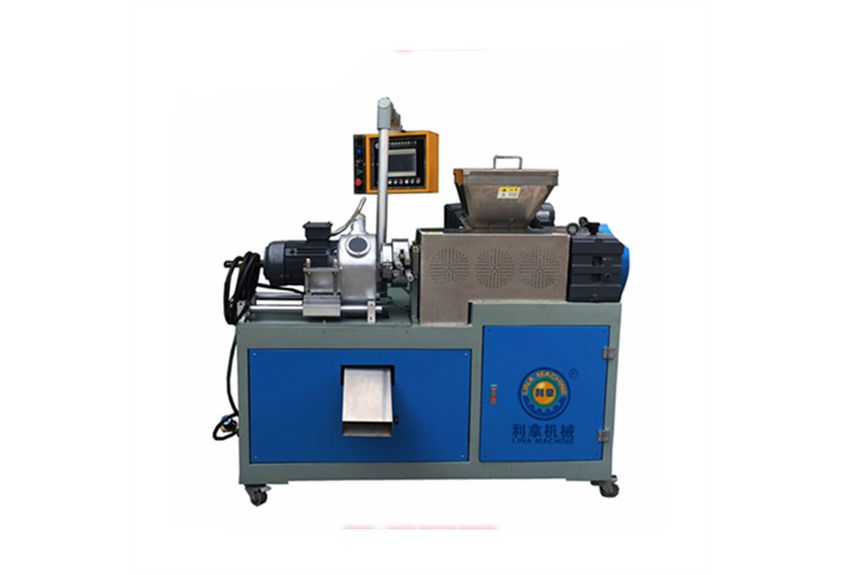
The application of ceramic powder grinding machines varies depending on the type of ceramic material being produced. For instance, in the production of ceramic tiles, a vibrating screen is often used to separate the coarse particles from the fine ones. This ensures that only the desired fine powder is collected for further processing. In the case of ceramic sintering, a ball mill or a planetary ball mill is typically used to mix the raw materials thoroughly before sintering.
In addition to its practical applications, the use of ceramic powder grinding machines also has a significant impact on environmental sustainability. By using energy-efficient grinding techniques and reducing waste, these machines help minimize the carbon footprint associated with ceramic production. Furthermore, by adopting greener practices such as recycling and reusing materials, manufacturers can further reduce their ecological impact.
In conclusion, ceramic powder grinding machines are critical tools in the production of ceramic materials. Their ability to process raw materials into finely-milled powders plays a vital role in ensuring the quality and consistency of the end product. As technology continues to advance, it is likely that these machines will continue to evolve, offering even greater efficiency and effectiveness in the field of ceramic production.