

The Art of Rubber Extrusion Filtering Machinery
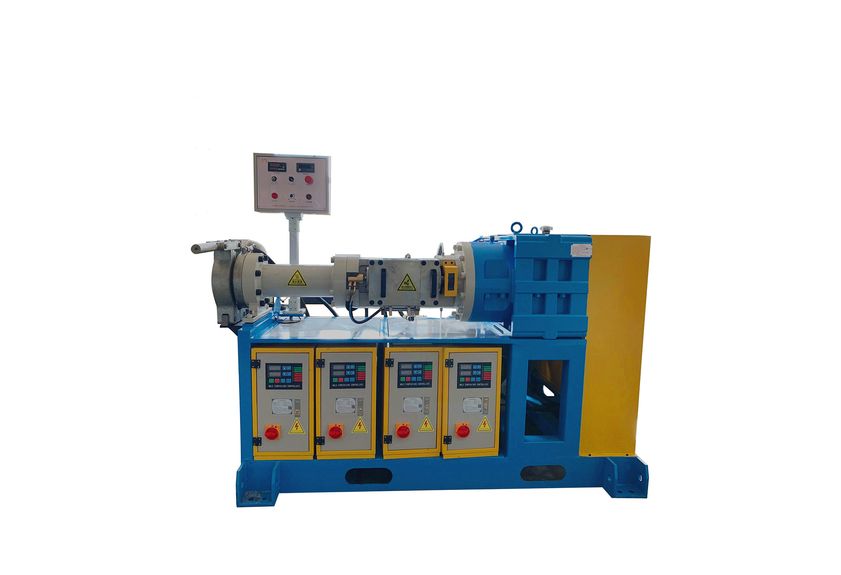
In the realm of rubber manufacturing, the process of extruding and filtering is a critical step that determines the quality and consistency of the final product. At the heart of this process lies the rubber extruder, which is responsible for converting raw materials into a uniform, consistent stream of rubber. However, this stream must be filtered to remove any impurities or foreign particles before it can be used in its intended application. This is where the role of the rubber extruder filter comes into play.
The rubber extruder filter is an essential tool in the rubber manufacturing process, providing a reliable and efficient way to remove impurities from the extruded rubber. It works by using a series of screens and filters to trap and remove any unwanted particles or debris from the extruded rubber. These filters are designed to withstand the high temperatures and pressures generated during the extrusion process, ensuring that they remain effective and efficient throughout the entire process.
One of the key features of the rubber extruder filter is its ability to handle a wide range of materials. Whether it's plastic, metal, or other non-metallic materials, the filter can effectively remove impurities from the extruded rubber. This makes it a versatile tool that can be used in a variety of applications, from automotive parts to electronic components.
Another important aspect of the rubber extruder filter is its precision control over the amount of material being passed through it. With precise adjustments to the screen size and filter design, manufacturers can ensure that only the desired amount of material is removed, without wasting any of the raw materials. This not only saves money but also helps to reduce waste and improve overall efficiency.
In conclusion, the rubber extruder filter is a crucial component of the rubber manufacturing process. Its ability to remove impurities from the extruded rubber ensures that the final product meets high standards of quality and consistency. With its versatility and precision control capabilities, it has become an essential tool for many industries, helping them produce products that meet their customers' needs and expectations.