




The Role of Thin Film Rolling Machines in Manufacturing
Thin film rolling machines are an essential tool in the manufacturing industry, particularly in the field of electronics and semiconductors. These machines are designed to roll thin films of materials onto a substrate, which is then processed further to create finished products. The process of thin film rolling involves several steps, including deposition, patterning, and etching, all of which are critical for achieving high-quality results.
One of the key benefits of thin film rolling machines is their ability to produce thin films with precise thickness and uniformity. This is achieved through the use of advanced coating techniques and equipment that can control the deposition rate and minimize any defects that may occur during the process. Additionally, these machines are highly versatile, allowing for the production of a wide range of materials, including metals, ceramics, and polymers.
Another advantage of thin film rolling machines is their ability to produce high-density and high-performance materials. By using thin films, manufacturers can achieve higher electrical conductivity, thermal conductivity, and mechanical strength, which are crucial for many applications in electronics and semiconductors. Additionally, thin film rolling machines can be used to create complex patterns and structures that are difficult to achieve with traditional manufacturing methods.
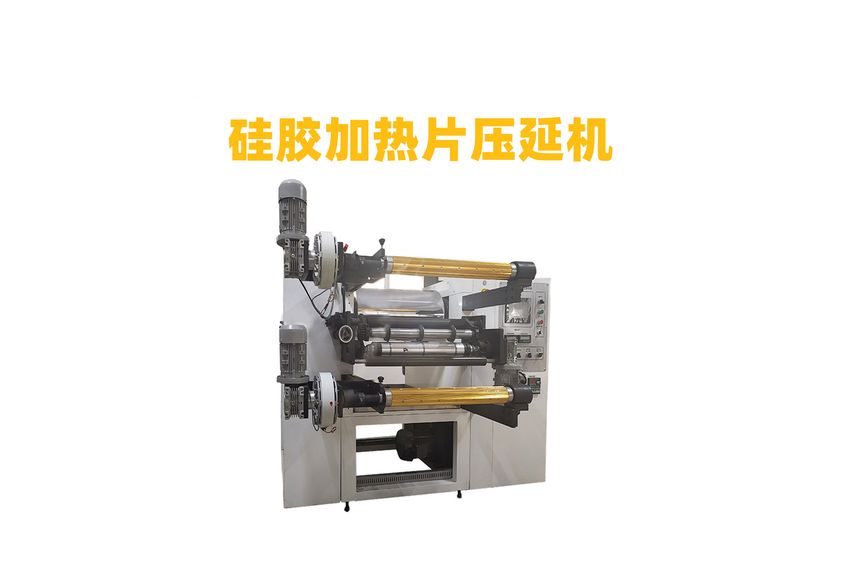
Despite their many advantages, thin film rolling machines still face some challenges in the industry. One of the main challenges is the cost of equipment and maintenance. Additionally, there is a need for continued research and development to improve the efficiency and reliability of these machines. However, with ongoing advancements in technology and innovation, it is likely that thin film rolling machines will continue to play an important role in the future of manufacturing.