




The Art of Cold Rubber Filtering Machines
The cold rubber filtering machine is a crucial tool in the production process of various materials, including plastics, rubber, and other polymeric substances. This machine plays a significant role in removing impurities from these materials, ensuring their quality and consistency. In this article, we will explore the working principles of this machine, its advantages, and how it can be optimized for better performance.
Firstly, let's understand the basic working principle of the cold rubber filtering machine. It consists of a rotating drum that contains a series of screens or filters. The material to be filtered is fed into the machine through a feeder, where it is subjected to the action of the drum's rotation. As the drum rotates, the material passes through the screens, which are designed to remove any particles larger than the screen mesh size. The filtered material then exits the machine through a discharge outlet, leaving behind only the desired product.
One of the key advantages of cold rubber filtering machines is their ability to handle a wide range of materials. Unlike hot-melt machines, which require heating to soften the material before filtering, cold-rubber machines can work with a variety of raw materials without the need for preheating. This makes them ideal for applications where temperature sensitivity or specific processing conditions are required.
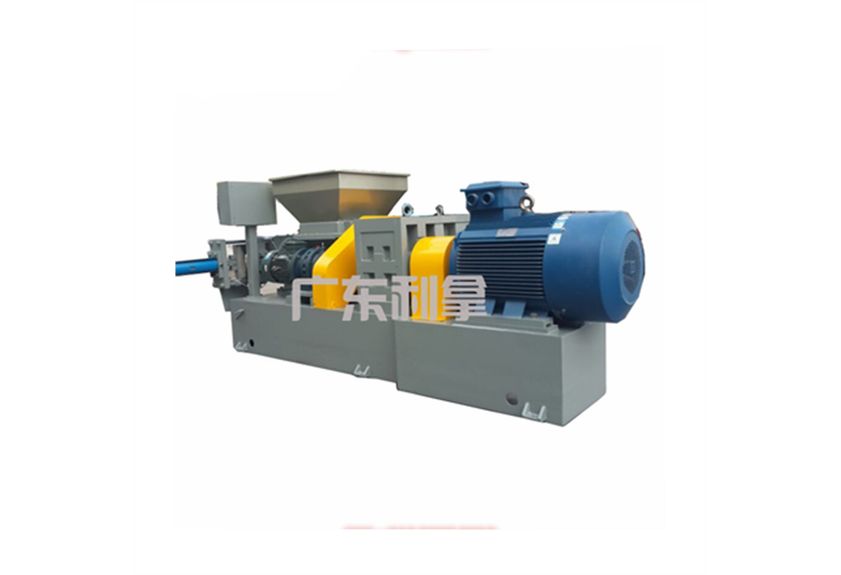
Another advantage of cold rubber filtering machines is their flexibility in terms of filter design. With a variety of screen sizes and configurations available, manufacturers can tailor the machine to meet specific needs. For example, some machines may have multiple stages of screening, allowing for more precise control over the final product quality.
To optimize the performance of cold rubber filtering machines, several factors need to be considered. Firstly, the choice of screen mesh size is critical. A smaller mesh size will result in a higher yield but may also produce a coarser product. Conversely, a larger mesh size will yield a finer product but at the cost of a lower yield. Therefore, it is important to balance these two factors according to the specific requirements of the application.
Secondly, the feed rate of the material is another important factor to consider. Too fast a feed rate can lead to clogging of the screens, while too slow a feed rate can result in poor filtration efficiency. Therefore, it is essential to monitor the feed rate and adjust it accordingly to achieve optimal results.
Finally, regular maintenance and cleaning of the machine are essential for maintaining its performance and extending its lifespan. This includes checking the screens for wear and tear, lubricating the moving parts, and inspecting the seals and gaskets for any signs of damage or leakage.
In conclusion, the cold rubber filtering machine is a versatile and efficient tool for the production of various materials. By understanding its working principles and considering factors such as screen mesh size, feed rate, and maintenance, manufacturers can optimize its performance and achieve better results. Whether you are a small-scale manufacturer or a large-scale enterprise, investing in a cold rubber filtering machine can help you streamline your production process and improve your product quality.