




The Production Line Open Roll Mill
Open roll mills are essential tools in the production industry, particularly in the rubber and plastics sector. These machines are designed to mix, knead, and extrude materials, producing finished products with consistent quality and consistency. In this article, we will explore the different types of open roll mills, their applications, and how they contribute to the overall efficiency of a production line.
Types of Open Roll Mills:
There are several types of open roll mills, each with its unique features and capabilities. Here are some of the most common types:
1. Vertical Open Roll Mill: This type of mill is commonly used for mixing and extruding materials. It has a vertical axis that allows for easy access to the rollers and allows for more efficient material flow.
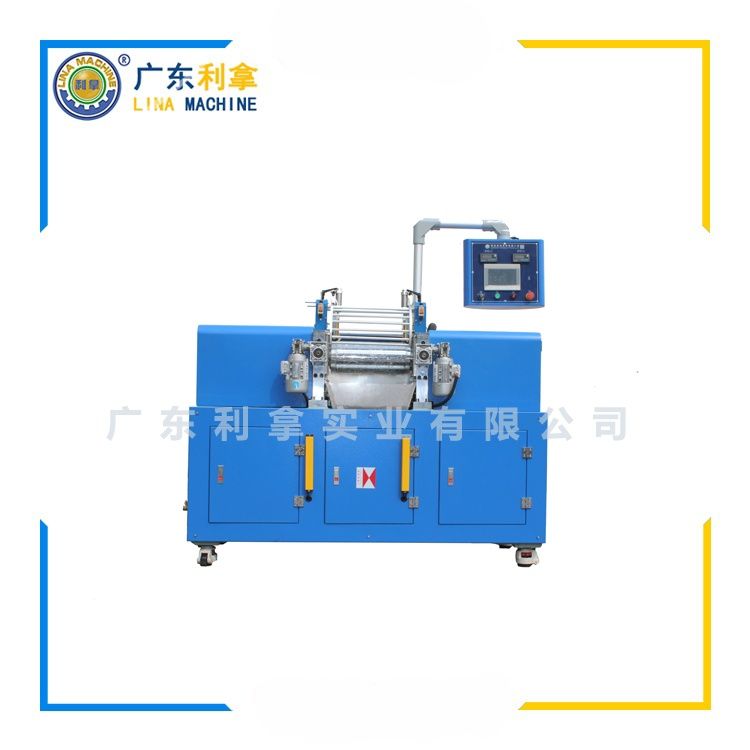
2. Horizontal Open Roll Mill: This type of mill is ideal for kneading and mixing materials. It has a horizontal axis that allows for better control over the material flow and ensures even distribution of ingredients.
3. Compound Open Roll Mill: This type of mill is designed to perform multiple functions simultaneously. It can mix, knead, and extrude materials, making it an ideal choice for complex production processes.
Applications of Open Roll Mills:
Open roll mills are used in a wide range of industries, including:
1. Rubber and Plastics Manufacturing: These mills are essential in the production of various rubber and plastic products, such as tires, hoses, and toys. They ensure that the materials are mixed and processed correctly to achieve the desired properties.
2. Food Processing: Open roll mills are also used in the food industry to mix and knead ingredients, such as flour, sugar, and oil. This ensures that the final product is consistent and of high quality.
3. Textile Industry: In the textile industry, open roll mills are used to mix and process yarns, fabrics, and other textile materials. This ensures that the final product is uniform and of high quality.
Contribution to Efficiency:
Open roll mills play a crucial role in the efficiency of a production line. By using these machines, manufacturers can produce products faster and with higher quality. Additionally, they help reduce waste by ensuring that the materials are mixed and processed correctly.
In conclusion, open roll mills are essential tools in the production industry, particularly in the rubber and plastics sector. They offer a range of benefits, including improved efficiency, consistency, and quality. As technology continues to advance, open roll mills will continue to play a vital role in shaping the future of manufacturing.