


The Art of Shoe Material Processing with Open Roller Mills
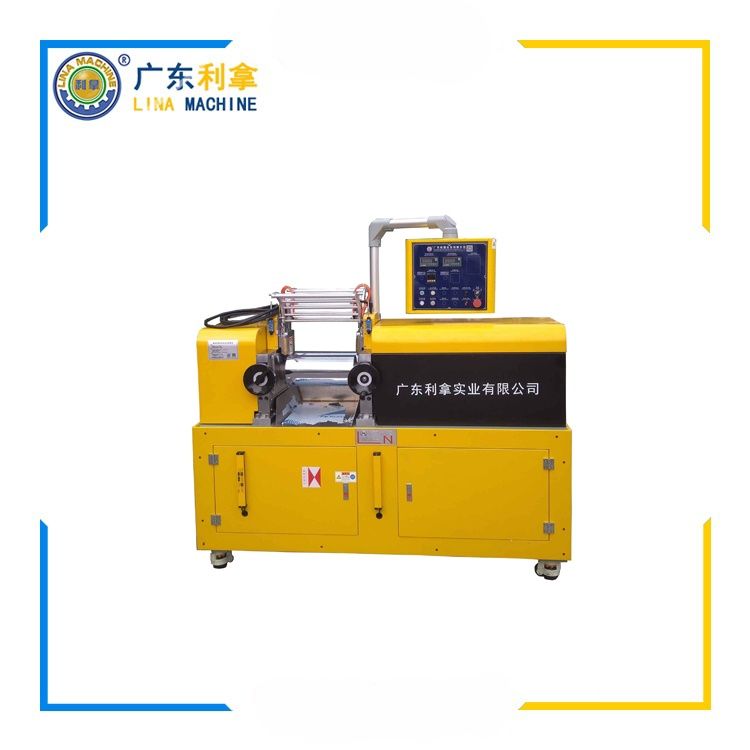
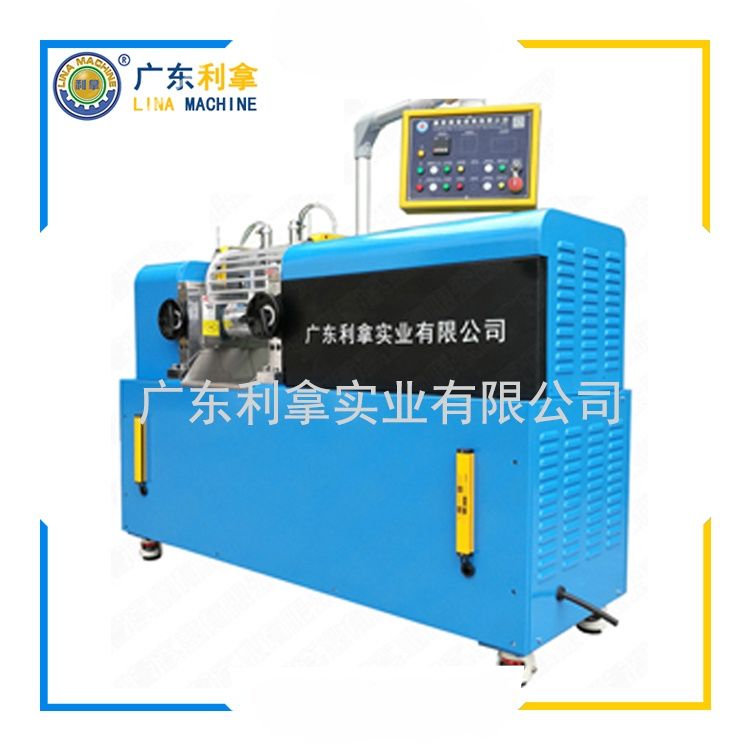
Open roller mills are an essential tool in the shoe industry, providing a controlled and efficient way to process various types of shoe materials. These machines work by using two rotating rollers that come into contact with each other, causing friction and heat to melt the material being processed. This melted material is then extruded through a die or mold, which determines the final shape and size of the shoe.
One of the key benefits of open roller mills is their ability to handle a wide range of materials. From leather to synthetic fabrics, these machines can process almost any type of shoe material. Additionally, they offer precise control over the temperature and pressure during processing, allowing for consistent results every time.
Another advantage of open roller mills is their flexibility. They can be used to create a variety of shapes and sizes, from simple soles to complex designs. This makes them ideal for use in both mass production and custom-made shoes.
Despite their many benefits, open roller mills do have some limitations. For example, they can be noisy and require careful maintenance to ensure optimal performance. Additionally, they may not be suitable for certain types of materials, such as those that are too soft or too hard.
In conclusion, open roller mills are a valuable tool for the shoe industry, providing a reliable and efficient way to process a wide range of materials. With their ability to produce precise results and their versatility, they are sure to become an essential part of any shoe factory's operations.