




Understanding Rubber Extrusion Filters: A Comprehensive Guide
In the realm of rubber processing, the efficiency and quality of the final product are often determined by the precision and consistency of the manufacturing process. One critical component in this process is the rubber extruder, which involves the use of a rubber filter to remove impurities from the molten rubber before it enters the extrusion die. This article aims to provide an in-depth understanding of rubber extruder filters, their role in the rubber production process, and how they contribute to the overall quality of the finished product.
At its core, a rubber extruder filter is a mechanical device that separates solid impurities from the molten rubber during the extrusion process. The filter consists of a series of screens or meshes that trap particles larger than the desired size, while allowing smaller particles to pass through. This separation process ensures that the final product is free from any foreign materials, which could compromise its performance or durability.
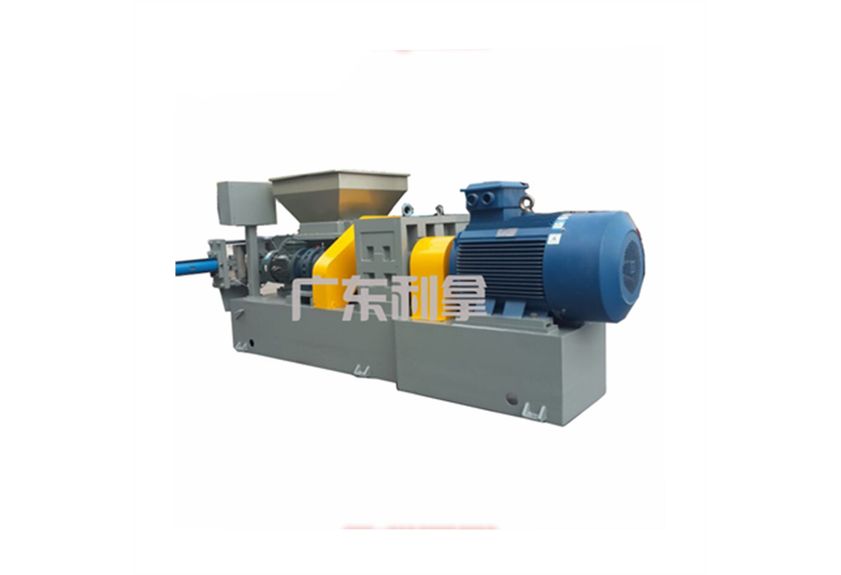
The importance of using rubber extruder filters cannot be overstated, especially in industries such as automotive, construction, and sports equipment. These products require high levels of quality control, and any impurities present in the rubber can lead to defects in the final product. By removing these impurities, the rubber extruder filter helps to ensure that the final product meets industry standards and exceeds customer expectations.
One of the key benefits of using rubber extruder filters is their ability to improve productivity. By removing impurities from the molten rubber, the filter reduces downtime and maintenance costs associated with defective products. Additionally, the use of filters can help to optimize the extrusion process, resulting in more consistent and efficient output.
Another important consideration when using rubber extruder filters is their compatibility with different types of rubber. Different types of rubber have varying melt viscosities and densities, which can affect the effectiveness of the filter. Therefore, selecting the right type of filter for each specific application is crucial to achieving optimal results.
In conclusion, rubber extruder filters play a vital role in the rubber production process, ensuring that the final product is free from impurities and meets industry standards. By understanding their function and benefits, manufacturers can optimize their processes and produce high-quality products that meet customer expectations. As technology continues to advance, we can expect to see even greater advancements in the field of rubber processing, including the use of more advanced filters and automation systems.