



The Role of the Melt Mixer in the Manufacturing Process
The melt mixer is an essential piece of equipment in the manufacturing process, particularly in the plastics industry. It plays a crucial role in the production of various types of plastic products, such as injection molded parts, thermoplastic sheets, and films. In this article, we will explore the functions and benefits of the melt mixer, as well as its impact on the overall manufacturing process.
Firstly, the melt mixer is responsible for mixing the raw materials, such as polymers and fillers, into a uniform and homogeneous mixture. This process ensures that the final product has consistent quality and performance, regardless of the specific application. The melt mixer's ability to achieve high-quality blends is essential for the success of many industrial processes, including those involving food packaging, automotive components, and electronics.
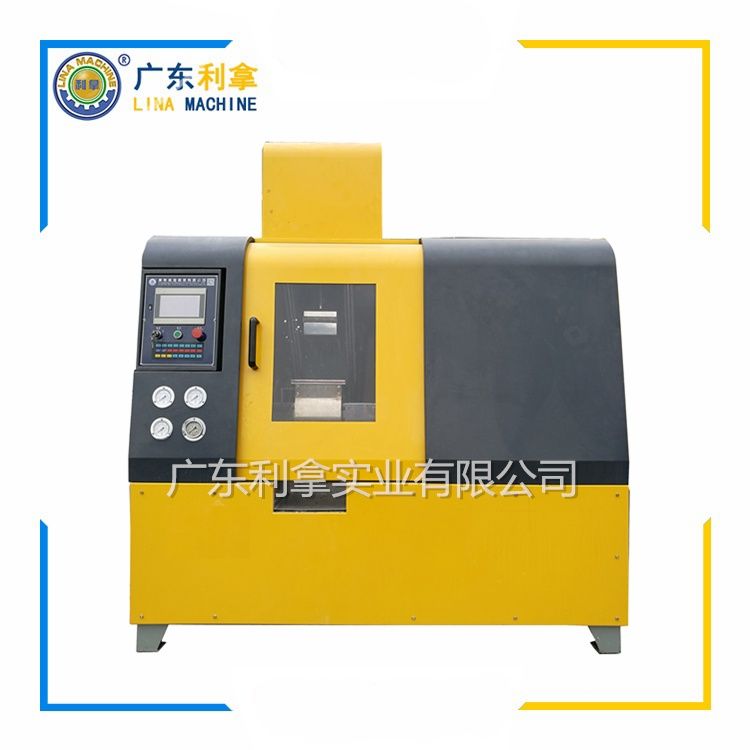
In addition to its role in blending, the melt mixer also plays a significant role in the shaping and forming of plastic products. During the mixing process, the temperature and pressure are carefully controlled to ensure that the material is in a state where it can be easily molded or extruded. This allows for the creation of complex shapes and designs, which are often difficult to achieve with other processing methods.

One of the key benefits of using a melt mixer in the manufacturing process is its efficiency. Compared to other methods of plastic processing, such as compression molding or extrusion, the melt mixer can produce larger volumes of product with greater consistency. This makes it ideal for mass production, which is often required in industries such as automotive and electronics.
Another advantage of the melt mixer is its flexibility. It can be used to process a wide range of materials, including thermoplastics, elastomers, and composites. This means that it can be adapted to meet the specific needs of different applications, making it a valuable tool for companies looking to diversify their product lines.
Finally, the melt mixer's ability to produce high-quality products is backed by its advanced technology. Many modern melt mixers use computer-controlled systems that allow for precise adjustments to temperature, pressure, and flow rate. This enables operators to optimize the process and achieve optimal results, even with complex or challenging materials.
In conclusion, the melt mixer is a critical component of the manufacturing process in the plastics industry. Its ability to blend raw materials into a uniform mixture and shape them into desired products makes it an essential tool for companies looking to produce high-quality products quickly and efficiently. As technology continues to advance, we can expect the melt mixer to play an increasingly important role in the future of manufacturing.