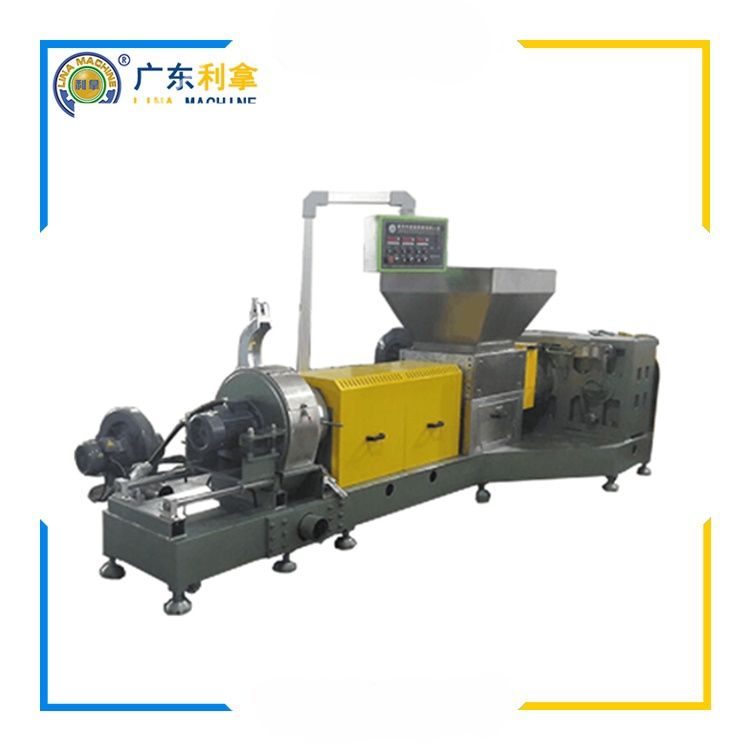
The Art of Plastic and Rubber Composite Granulation Production Line
The production line for plastic and rubber composite granulation is a complex process that involves the blending, mixing, and granulating of two or more materials to create a new product. This process is essential in industries such as automotive, construction, and electronics, where the properties of the final product depend on the combination of different materials.
At the heart of this process is the granulator, which is responsible for breaking down the larger particles into smaller ones that can be easily mixed with the other materials. The granulator uses various techniques, including shear force, impact, and compression, to achieve this goal. The granulator is designed to handle a wide range of materials, including plastics, rubbers, and metals, and can produce granular sizes from micrometers to centimeters.
In addition to the granulator, the production line also includes several other components, such as feeders, mixers, and dryers. The feeders are responsible for feeding the raw materials into the system, while the mixers combine them into a uniform mixture. The dryers then remove any moisture from the mixture before it is granulated.
The quality of the final product depends on the accuracy and consistency of the granulation process. To achieve this, manufacturers use advanced control systems that monitor and adjust the temperature, pressure, and flow rate of the system. These systems help ensure that the granulate is consistent in size, shape, and composition, which is critical for the performance of the final product.
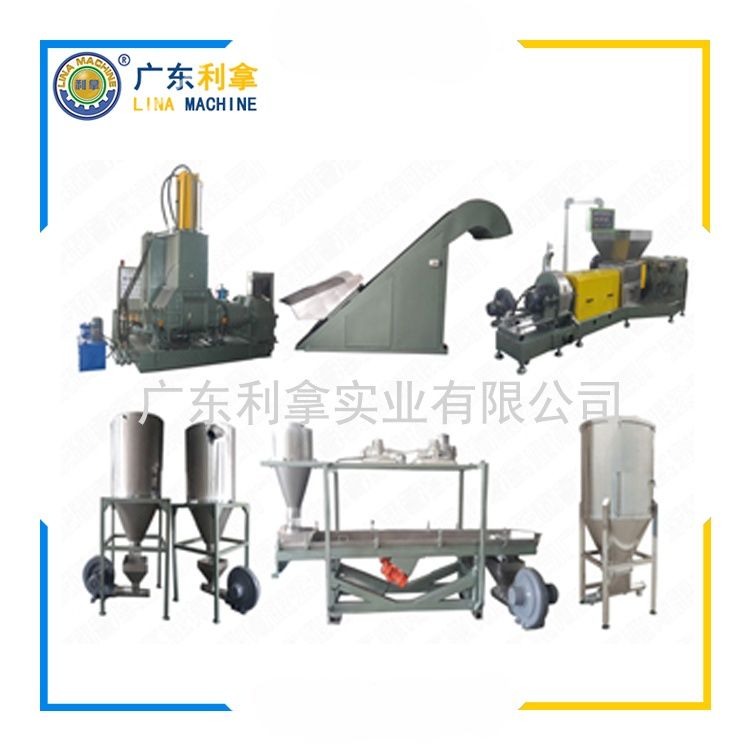
In conclusion, the production line for plastic and rubber composite granulation is a complex and sophisticated process that requires precise control and attention to detail. By using advanced technology and expertise, manufacturers can produce high-quality products that meet the needs of their customers.