



The Role of Vacuum Molding Machines in Powder Metallurgy
In the realm of metallurgical engineering, powder metallurgy (PM) is a process that involves the compaction of metallic powders into a desired shape using a vacuum molding technique. This method has gained significant attention due to its ability to produce high-quality parts with minimal defects and superior mechanical properties. One crucial component in this process is the vacuum molding machine, which plays a vital role in achieving optimal results. In this article, we will explore the various aspects of vacuum molding machines used in PM processes and their significance in the industry.
Firstly, it is essential to understand the basic principles behind vacuum molding machines. These machines use a vacuum system to create a negative pressure inside the mold cavity, which helps in removing air bubbles and impurities from the powder bed. This results in a more uniform and dense compaction of the powder, leading to better mechanical properties and reduced defects. Additionally, the vacuum system also facilitates the removal of excess gases during the compaction process, ensuring that the final product meets the required specifications.
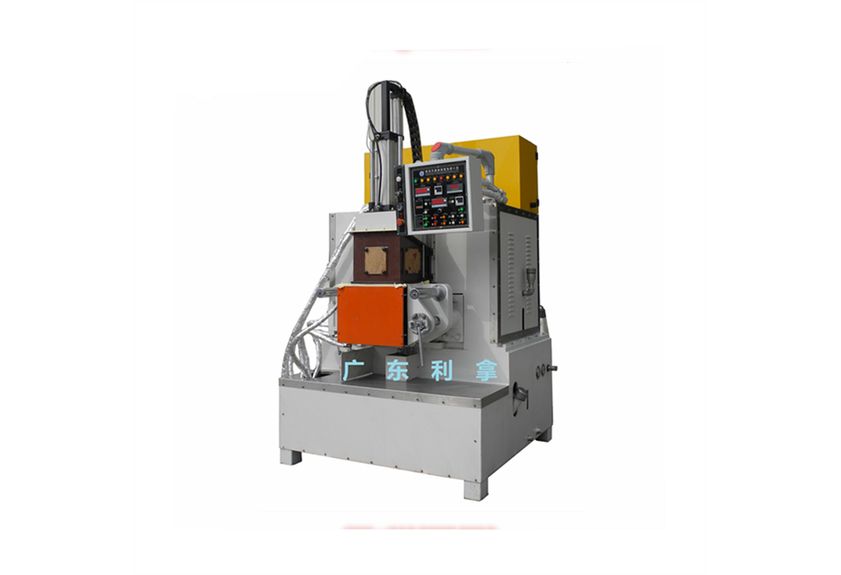
The design of vacuum molding machines is critical in determining their efficiency and effectiveness in PM processes. Some common designs include rotary drums, vertical rollers, and vertical screw extruders. Each type has its advantages and disadvantages, but all are designed to achieve the same goal of creating a vacuum environment inside the mold cavity. For example, rotary drums are ideal for small batch production, while vertical rollers are suitable for larger scale operations.
Another important aspect of vacuum molding machines is their ability to handle different types of powder materials. PM processes require the use of various powders, including metals, ceramics, and plastics. To cater to these diverse requirements, manufacturers have developed various models of vacuum molding machines that can accommodate different powder types. For instance, some machines are designed to handle dry or wet powders, while others are optimized for specific applications such as injection molding or extrusion.
In addition to their technical features, vacuum molding machines also play a crucial role in enhancing the overall productivity of PM processes. By eliminating air bubbles and impurities, these machines help to reduce waste and improve the quality of the final products. Furthermore, they enable operators to work at higher speeds and volumes, resulting in increased efficiency and cost savings.
In conclusion, vacuum molding machines are an essential component of the powder metallurgy process. They provide a vacuum environment inside the mold cavity, which helps in achieving better compaction of powders and reducing defects. The design of these machines is critical in determining their efficiency and effectiveness, and their ability to handle different types of powder materials is essential for catering to diverse applications. As the demand for high-quality parts continues to grow, the importance of vacuum molding machines in PM processes cannot be overstated.