
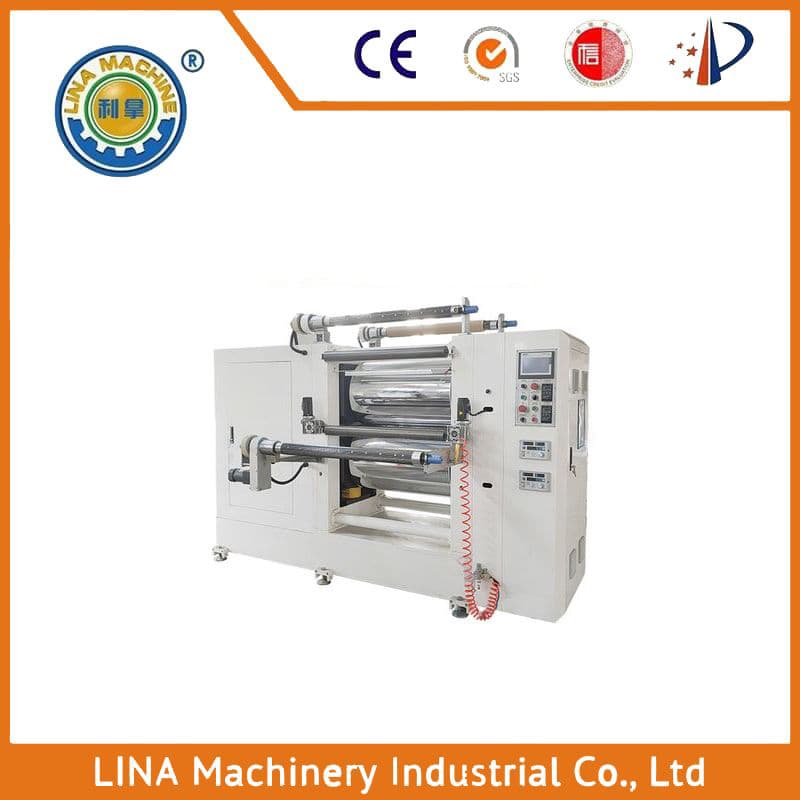
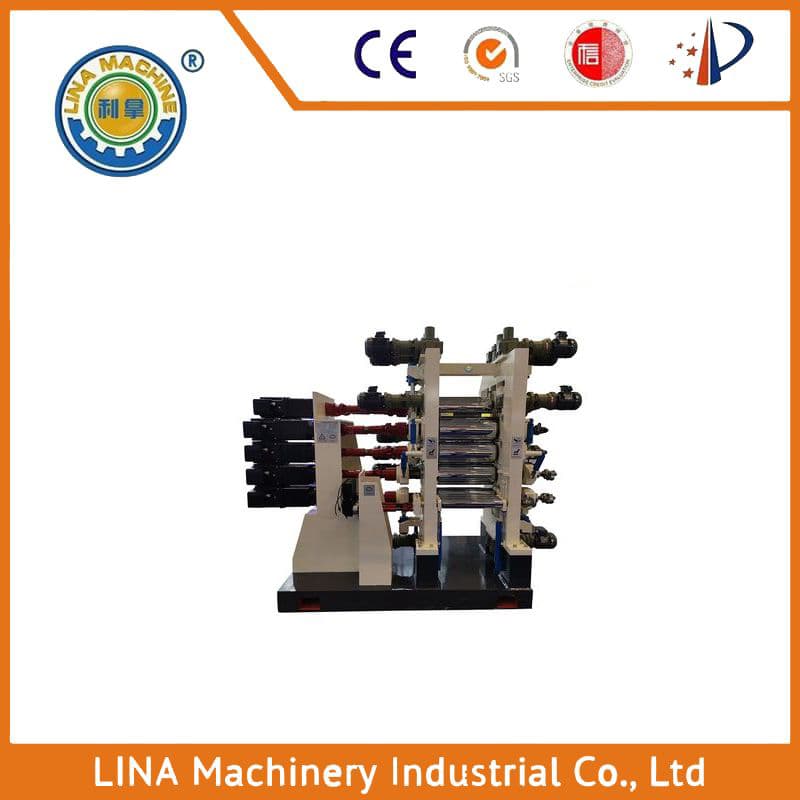
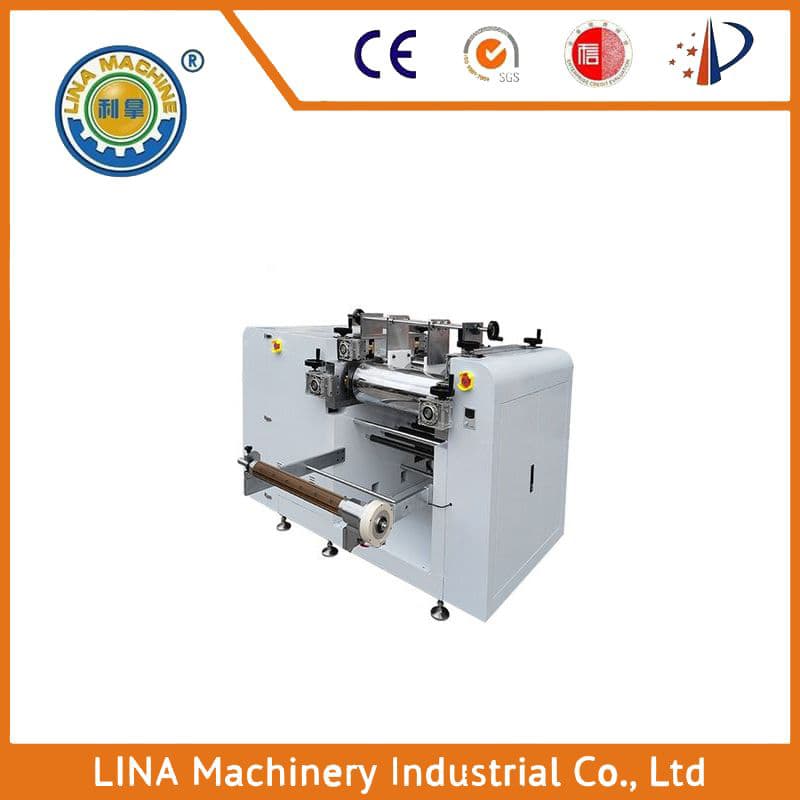
The Role of Plasticizers in Plastic Processing Machinery
Plasticizers are an essential component of plastic processing machinery, which is used to convert thermoplastic raw materials into finished products. These machines play a crucial role in the production process by enabling the molding and shaping of various plastic components. In this article, we will explore the importance of plasticizers in plastic processing machinery and their impact on the overall process.
Firstly, plasticizers are used to improve the flowability and flexibility of thermoplastic materials. They help to reduce the viscosity of the material, making it easier to handle and mold. This is particularly important for high-density polyethylene (HDPE) and other thermoplastics that require significant force to deform. By adding plasticizers, manufacturers can achieve better results with less energy consumption and reduced waste.
Secondly, plasticizers enhance the adhesion between the plastic material and the mold. This is critical as the material must adhere tightly to the mold cavity to ensure proper shape formation. Without sufficient adhesion, the product may have defects such as cracks or voids, which can affect its quality and performance. Plasticizers work by reducing the surface tension between the plastic and the mold, allowing for a more uniform and consistent bonding.
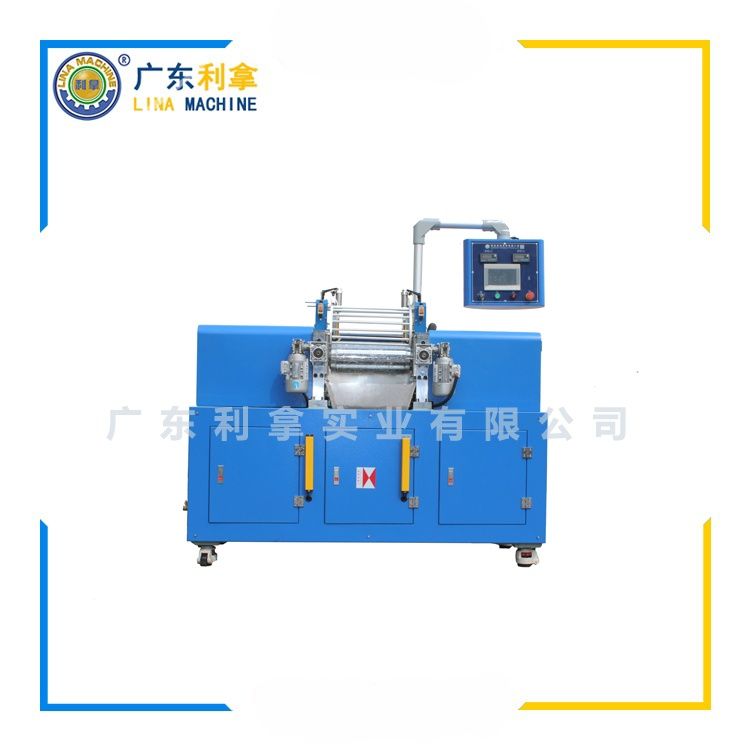
Thirdly, plasticizers contribute to the stability of the final product. During the cooling and solidification process, plasticizers help to prevent crystallization and promote even cooling. This ensures that the material retains its original properties and does not undergo any significant changes during storage or transportation.
In addition to these benefits, plasticizers also have environmental advantages. They are generally non-toxic and biodegradable, making them suitable for use in various applications. Moreover, many plasticizers are derived from renewable resources, further reducing their environmental impact.
Finally, the selection of plasticizers depends on the specific requirements of the plastic material being processed. Different types of plasticizers have different chemical properties and can be used to achieve specific outcomes. For example, some plasticizers are designed to improve the mechanical strength of the material, while others are aimed at enhancing its flexibility or resistance to heat.
In conclusion, plasticizers play a vital role in plastic processing machinery by improving the flowability, adhesion, stability, and environmental sustainability of thermoplastic materials. By understanding their importance and how they work, manufacturers can optimize their processes and produce high-quality products that meet both technical and environmental standards.