



Understanding the High-Temperature Pelletizer: A Comprehensive Guide
In the realm of industrial processes, the high-temperature pelletizer is a crucial component that plays a significant role in transforming raw materials into finished products. This machine is designed to withstand extreme temperatures and pressures, making it ideal for applications where heat and durability are paramount.
At its core, the high-temperature pelletizer consists of several key components, including the feed hopper, screw conveyor, die assembly, and cooling system. The feed hopper is responsible for receiving and feeding the raw material into the machine. The screw conveyor then transports the material through the die assembly, which is responsible for shaping the material into pellets. Finally, the cooling system ensures that the pellets reach their optimal temperature before being discharged from the machine.
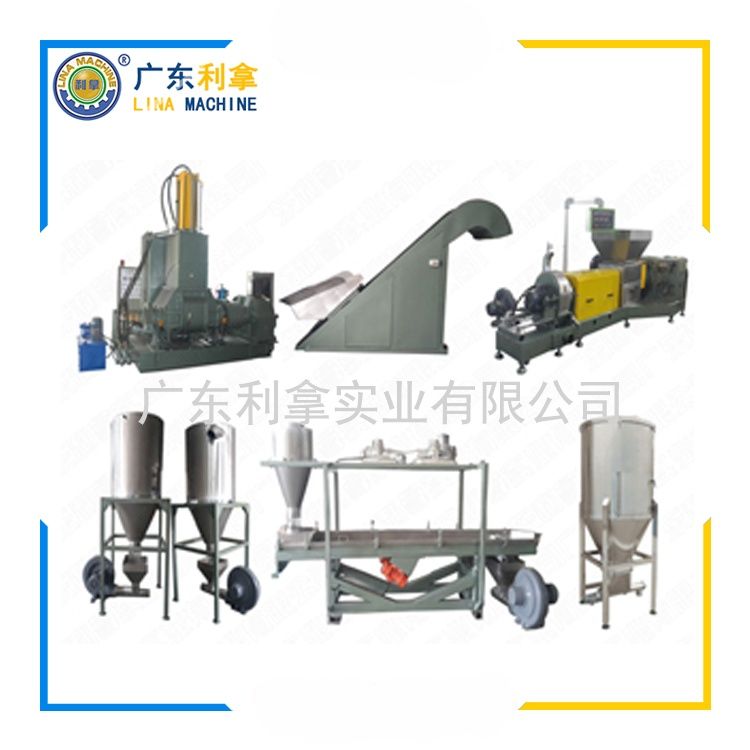
One of the key advantages of using a high-temperature pelletizer is its ability to process a wide range of materials. Whether you're dealing with agricultural waste, food scraps, or other organic materials, this machine can handle them all. Additionally, the high-temperature pelletizer is highly efficient, producing pellets with consistent quality and size.
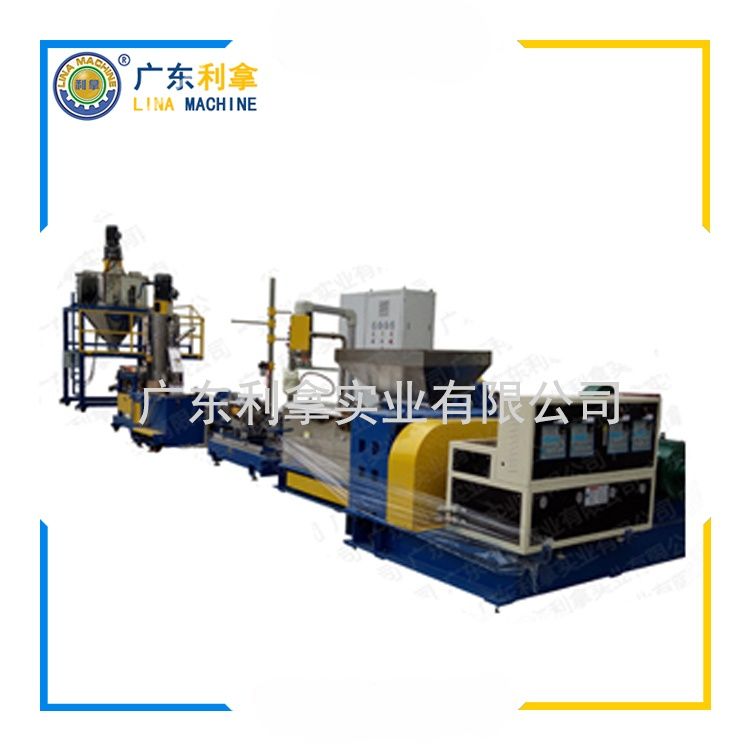
However, like any machine, the high-temperature pelletizer requires proper maintenance to ensure its longevity and efficiency. This includes regular cleaning of the machine to remove any debris or impurities, as well as checking for any signs of wear or damage. By following these simple steps, you can help ensure that your high-temperature pelletizer remains in top condition for years to come.