
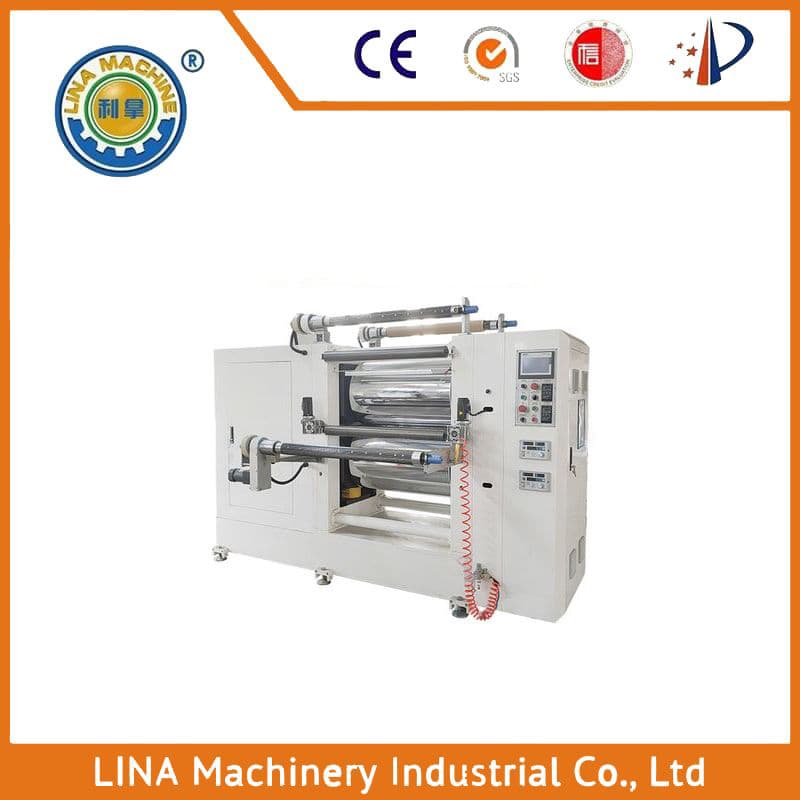
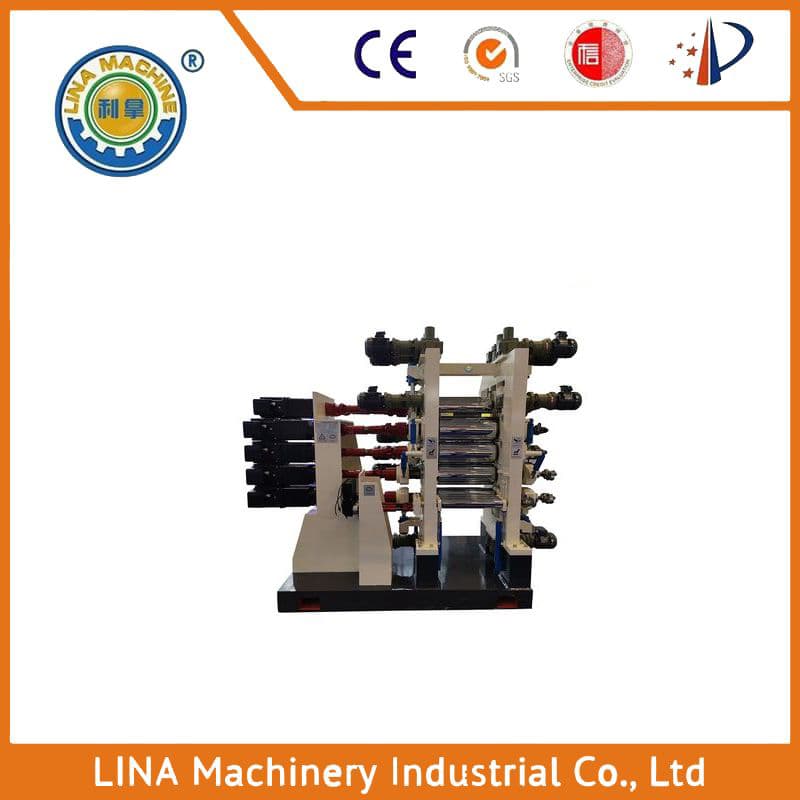
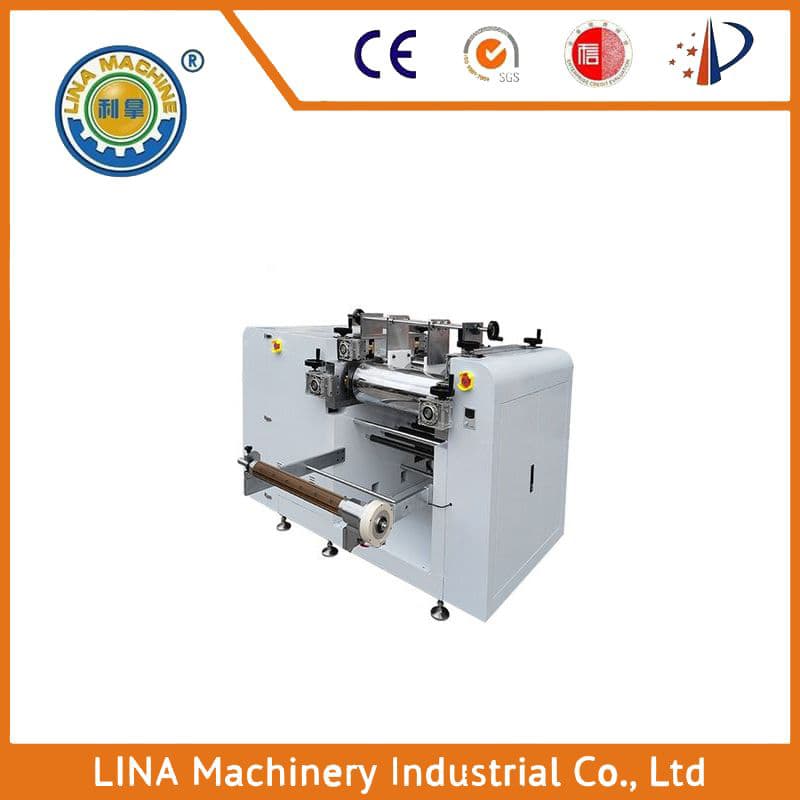
Advanced PCM Thermal Conductive Phase Change Materials Precision Rolling Machine
The field of thermal management has seen a significant advancement in recent years, with the advent of advanced phase change materials (PCM) that offer exceptional thermal conductivity and energy storage capabilities. These materials have found applications in various sectors such as electronics, automotive, and renewable energy, where they play a crucial role in maintaining optimal temperature conditions. In this article, we will delve into the precision rolling machine used to manufacture these advanced PCM materials, highlighting its key features and benefits.
The precision rolling machine is an essential tool in the manufacturing process of PCM materials. It involves the precise shaping of raw materials into the desired shape and dimensions, ensuring consistency and quality in the final product. The machine's ability to handle complex geometries and high-density materials makes it an ideal choice for the production of PCM components.
One of the key features of the precision rolling machine is its ability to control the temperature during the shaping process. This is achieved through the use of advanced temperature control systems that allow the machine to maintain a stable temperature environment throughout the entire shaping process. This ensures that the PCM material is shaped accurately without any thermal degradation or loss of thermal properties.
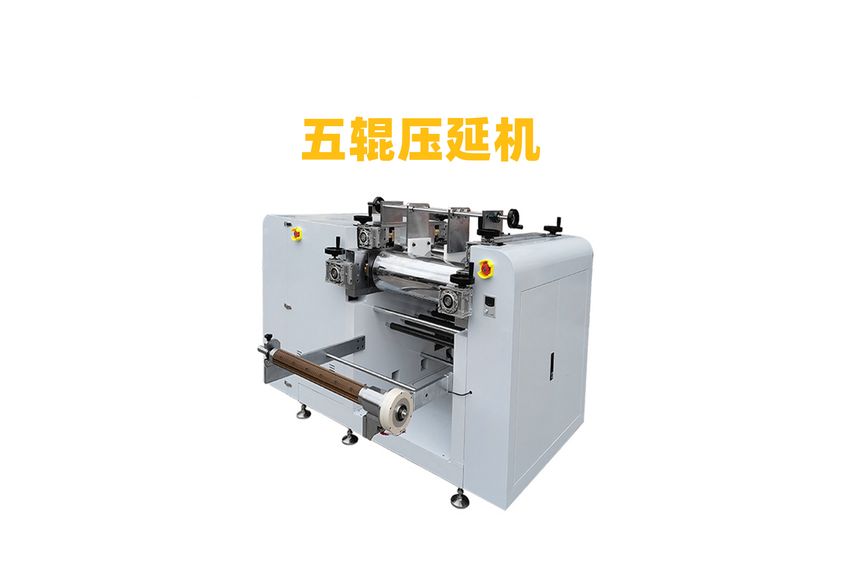
Another important aspect of the precision rolling machine is its ability to produce high-quality PCM materials with minimal defects. The machine's sophisticated design and advanced control system enable it to detect and correct any errors or irregularities in the material during the shaping process. This results in a higher yield rate and reduced scrap, ultimately saving time and resources.
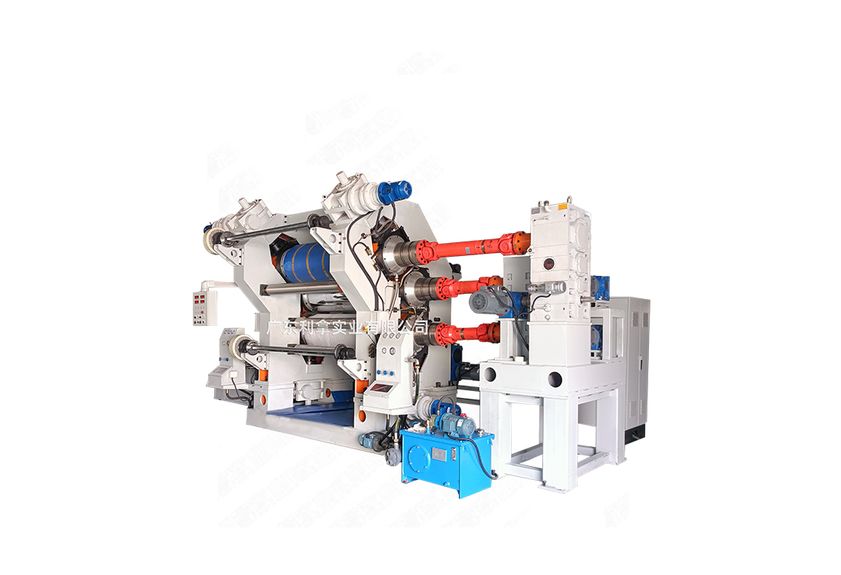
In addition to its technical advantages, the precision rolling machine also offers several benefits for the manufacturing process. For example, it reduces labor costs by eliminating the need for manual labor in the shaping process. Additionally, the machine's ability to handle complex geometries and high-density materials allows for more efficient production of PCM components, leading to cost savings and improved efficiency.
In conclusion, the precision rolling machine plays a crucial role in the manufacturing process of advanced PCM thermal conductive phase change materials. Its ability to control temperature, produce high-quality materials with minimal defects, and reduce labor costs make it an essential tool for the industry. As technology continues to advance, we can expect to see even more innovative solutions that leverage the power of precision rolling machines to enhance the performance and efficiency of PCM materials in various applications.