



Metal Mixing Machines: A Revolution in the Manufacturing Industry
Metal mixing machines have become an integral part of the manufacturing industry, revolutionizing the way materials are processed and blended. These advanced equipment are designed to mix metal powders, alloys, and other materials with high precision and efficiency, resulting in a uniform and homogeneous mixture. In this article, we will explore the various types of metal mixing machines available, their applications, and how they contribute to the success of modern manufacturing processes.
Firstly, there are two main types of metal mixing machines: rotary and vertical. Rotary mixing machines rotate the material inside a cylinder or drum, while vertical mixing machines use a vertical shaft to mix the material. Both types have their advantages and disadvantages, but they serve different purposes in the manufacturing process.
Rotary mixing machines are ideal for small-scale production, where the material is mixed quickly and efficiently. They are also suitable for batch processing, as they can handle large volumes of material without compromising quality. However, rotary mixing machines may not be suitable for continuous operation, as they require manual feeding and unloading.
Vertical mixing machines, on the other hand, are more suited for large-scale production and continuous operation. They are capable of handling large volumes of material and can be operated at high speeds, resulting in faster mixing times. However, vertical mixing machines may require more complex setup and maintenance than rotary machines.
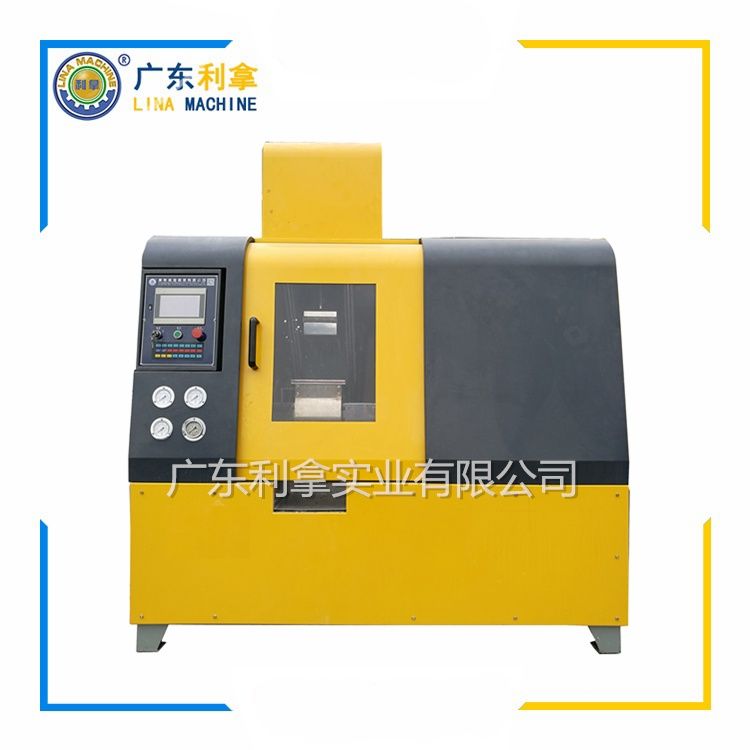
In addition to their technical features, metal mixing machines come with various accessories that enhance their performance. For example, some machines have built-in cooling systems to prevent overheating, while others have adjustable speed controls to optimize mixing efficiency. Some models also feature automated feeding systems, which can automatically feed the material into the machine, saving time and effort.
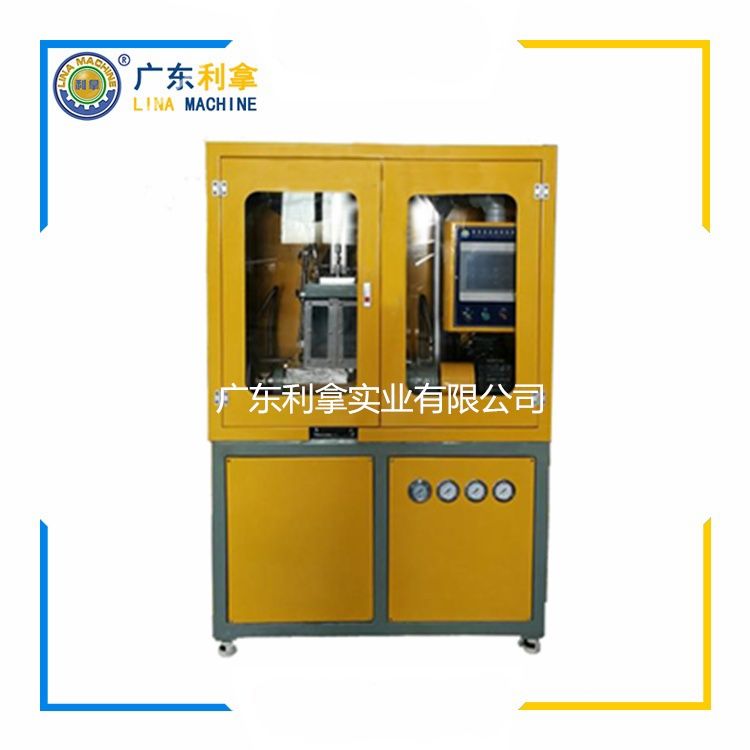
The application of metal mixing machines is diverse, ranging from the automotive industry to electronics manufacturing. In the automotive industry, mixing metal powders is crucial for producing high-quality parts such as engine blocks, pistons, and valves. In electronics manufacturing, mixing metal powders is essential for creating circuit boards, connectors, and other components.
In conclusion, metal mixing machines have revolutionized the manufacturing industry by providing efficient and precise ways to process and blend materials. From rotary to vertical machines, each type has its unique advantages and limitations, but they all contribute to the success of modern manufacturing processes. As technology continues to advance, we can expect even more innovative metal mixing machines to emerge, further enhancing the manufacturing industry's capabilities.