The Role of Melt Blown Particle Extruders in the Manufacturing Industry
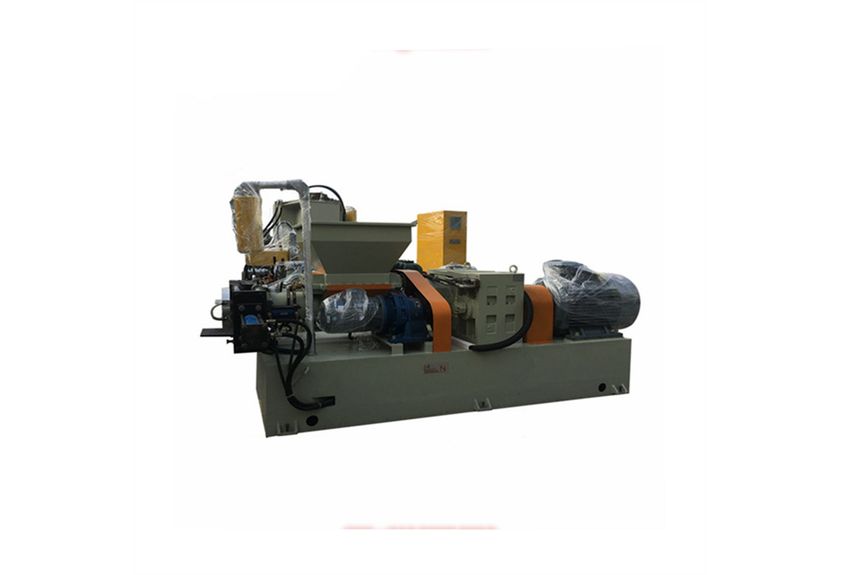
Melt blown particle extruders are an essential component of the manufacturing industry, particularly in the production of high-quality melt blown fabrics. These machines work by rapidly heating and cooling a polymer melt to create fibers that are then stretched and formed into fabrics. In this article, we will explore the key features of melt blown particle extruders and their impact on the manufacturing process.
One of the most significant advantages of melt blown particle extruders is their ability to produce highly uniform and consistent fibers. This is achieved through precise control of the temperature and pressure inside the machine, which ensures that the polymer melt is stretched and molded into fibers with consistent properties. Additionally, these machines can be designed to produce a wide range of fiber sizes, allowing manufacturers to tailor their products to specific applications.
Another important feature of melt blown particle extruders is their flexibility. These machines can be easily adapted to different types of polymers and can be used to produce a variety of fabrics, including nonwovens, wovens, and knitted fabrics. This flexibility allows manufacturers to quickly switch between different materials and meet changing market demands.
In addition to their technical benefits, melt blown particle extruders also have a positive impact on the environment. By using renewable energy sources and reducing waste, these machines help to minimize their environmental impact. Additionally, they can be designed to operate more efficiently, resulting in lower energy consumption and lower emissions.
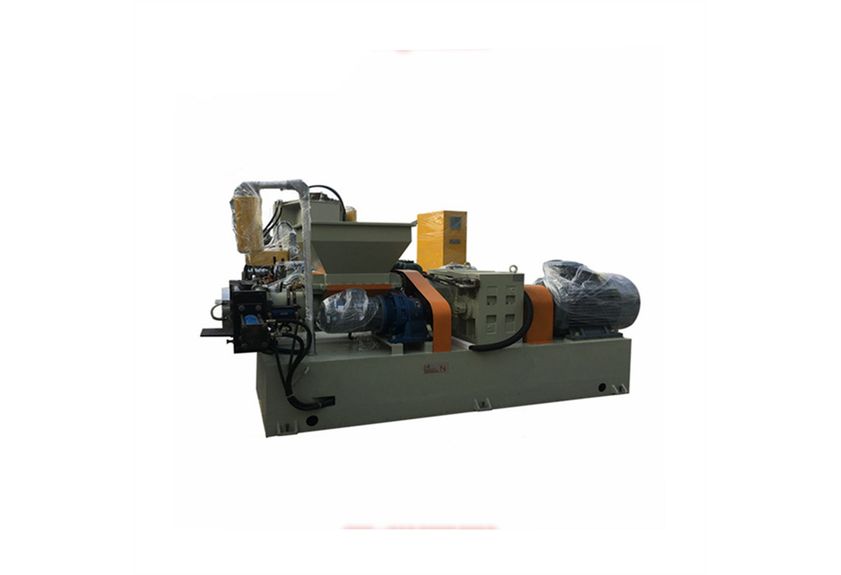
Overall, melt blown particle extruders play a crucial role in the manufacturing industry by providing high-quality, consistent, and flexible fibers that meet the needs of a wide range of applications. As technology continues to advance, it is likely that these machines will continue to evolve and improve, further enhancing their effectiveness and efficiency in the manufacturing process.