



The Art of Ceramic Powder Milling Machinery
Ceramic powder milling machines are essential tools in the production process of ceramics, as they play a crucial role in grinding and mixing raw materials into fine powders. These machines are designed to handle high-speed rotation and high-pressure crushing, which is necessary for achieving the desired particle size distribution and optimizing the properties of the final product. In this article, we will explore the different types of ceramic powder milling machines, their applications, and some tips for maintaining them effectively.
Types of Ceramic Powder Milling Machines:
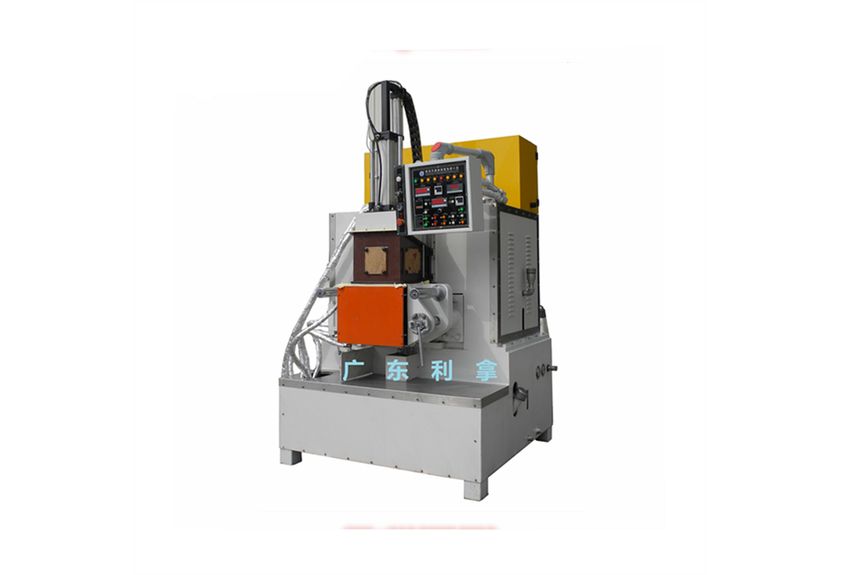
1. Ball mills: Ball mills are the most common type of ceramic powder milling machine used in industrial settings. They consist of a rotating cylinder filled with steel or ceramic balls that grind the raw materials together. This type of mill is suitable for grinding various materials, including clays, minerals, and metals.
2. Rod mills: Rod mills are similar to ball mills but have a longer rod instead of balls. This allows for more efficient grinding of larger particles, making it ideal for processing materials with higher hardness.
3. Roller mills: Roller mills use rollers to crush and grind the raw materials. They are commonly used for grinding softer materials such as clays and minerals.
Applications of Ceramic Powder Milling Machines:
Ceramic powder milling machines are widely used in the manufacturing of ceramic products, such as porcelain, tiles, and glass. They are also used in the production of other non-ferrous metals, such as aluminum and copper. Additionally, these machines are essential for the recycling of waste materials, as they can be used to grind down scrap metals and other refractory materials.
Tips for Maintaining Ceramic Powder Milling Machines:
To ensure the longevity and efficiency of ceramic powder milling machines, it is important to follow proper maintenance procedures. Here are some tips:
1. Regular cleaning: Regularly clean the interior of the mill to remove any debris or dust that may accumulate over time. This will help prevent clogging and improve the grinding efficiency of the machine.
2. Lubrication: Proper lubrication is essential for preventing wear and tear on the bearings and other moving parts of the mill. Use appropriate lubricants based on the manufacturer's recommendations.
3. Inspection: Regular inspections of the mill's components should be conducted to identify any signs of wear or damage. This will help catch problems early and prevent costly repairs down the line.
1. Ceramic Powder Milling Machinery
2. Ball Mills
3. Rod Mills
4. Roller Mills
5. Maintenance Tips
This article provides an in-depth overview of the various types of ceramic powder milling machines available in the market today, including their applications and maintenance tips. By understanding the importance of these machines in the production of ceramic products, we can optimize our production processes and achieve better results. Additionally, by following proper maintenance procedures, we can extend the lifespan of these valuable tools and ensure continuous productivity.