



The Laboratory Rolling Mill: A Revolutionary Tool for Material Processing
The laboratory rolling mill is a crucial tool in the world of materials science and engineering. It is a versatile piece of equipment that has revolutionized the way we process and manufacture materials. In this article, we will explore the various aspects of this fascinating machine and its impact on the industry.
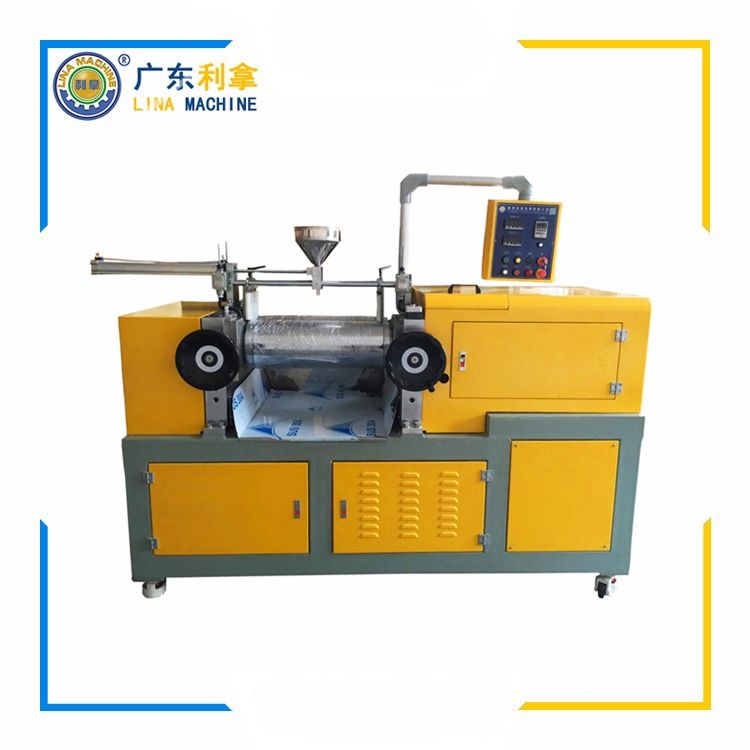
Firstly, let us understand what a laboratory rolling mill is. It is a small-scale version of the large-scale rolling mills used in industrial settings. These machines are designed to produce high-quality sheets and strips from various materials such as metals, plastics, and composites. They are ideal for research and development purposes, where scientists can test new materials and processes before scaling up to larger production facilities.
One of the key features of a laboratory rolling mill is its ability to precisely control the temperature and pressure during the rolling process. This allows researchers to optimize their results and achieve the desired properties of their materials. For example, they can adjust the temperature to achieve different degrees of cold working or hot working, depending on the type of material being processed. Similarly, they can vary the pressure to control the thickness and density of the resulting sheet.
Another important aspect of a laboratory rolling mill is its flexibility. It can be customized to suit the specific needs of a research project. For instance, some models come with built-in sensors that measure the temperature and pressure during the rolling process, allowing researchers to monitor their progress in real-time. Additionally, many lab mills can be equipped with specialized attachments such as rollers, dies, and molds, which enable them to perform a wide range of operations such as extrusion, drawing, and compression.
In addition to its technical capabilities, a laboratory rolling mill also has a significant impact on the environment. By using smaller machines and minimizing waste, researchers can reduce their carbon footprint and contribute to sustainable practices in the materials industry. Moreover, many lab mills are powered by renewable energy sources such as solar panels or batteries, further reducing their environmental impact.
In conclusion, the laboratory rolling mill is an essential tool for materials scientists and engineers. Its precise control over temperature and pressure, flexibility, and sustainability make it a powerful tool for testing new materials and processes. As the demand for high-quality materials continues to grow, the importance of these machines in the industry cannot be overstated. So next time you see a lab mill in action, take a moment to appreciate its contributions to our understanding of materials science and engineering.