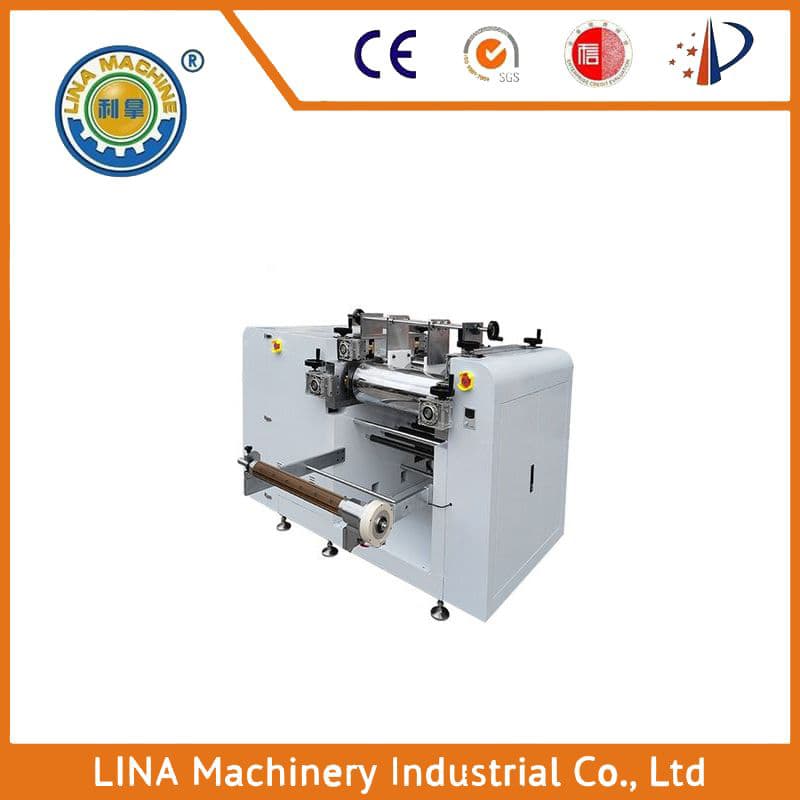
The Laboratory Rolling Mill: A Critical Component in the Manufacturing Process
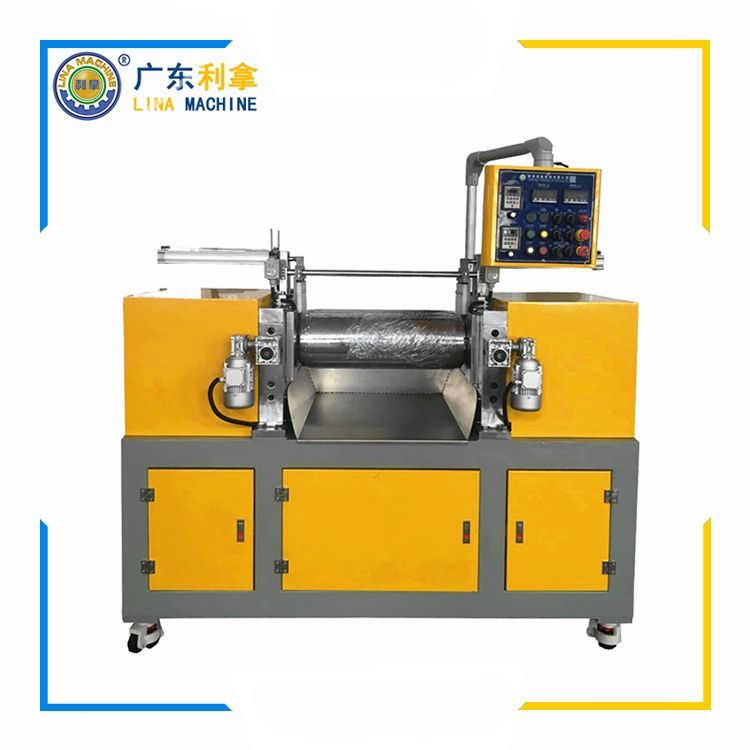
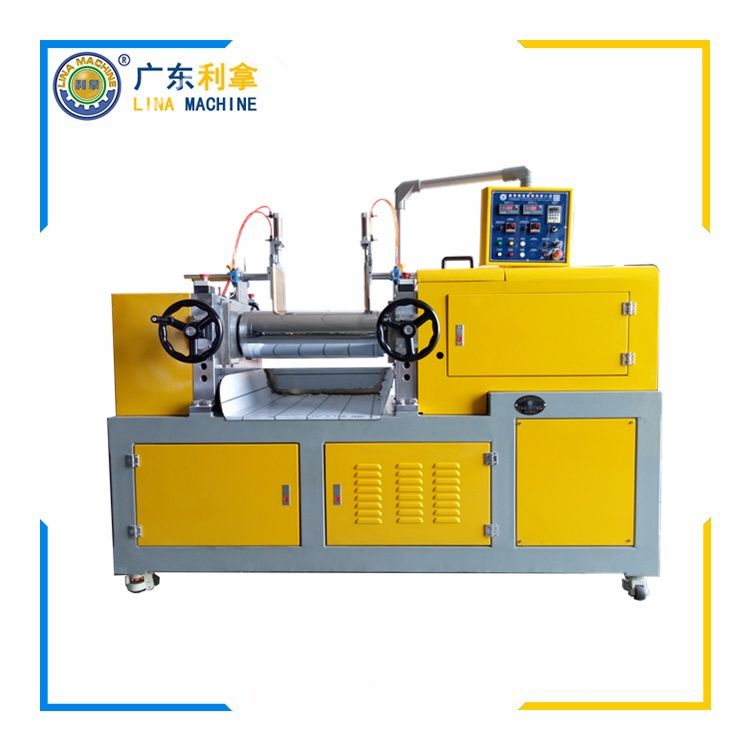
The laboratory rolling mill is a critical component in the manufacturing process, particularly in the field of metallurgy and materials science. It is used to produce high-quality sheets, strips, and plates by rolling various metals and alloys at controlled temperatures and pressures. This machine is essential for the production of sheet metal, which is widely used in various industries such as automotive, construction, and electronics.
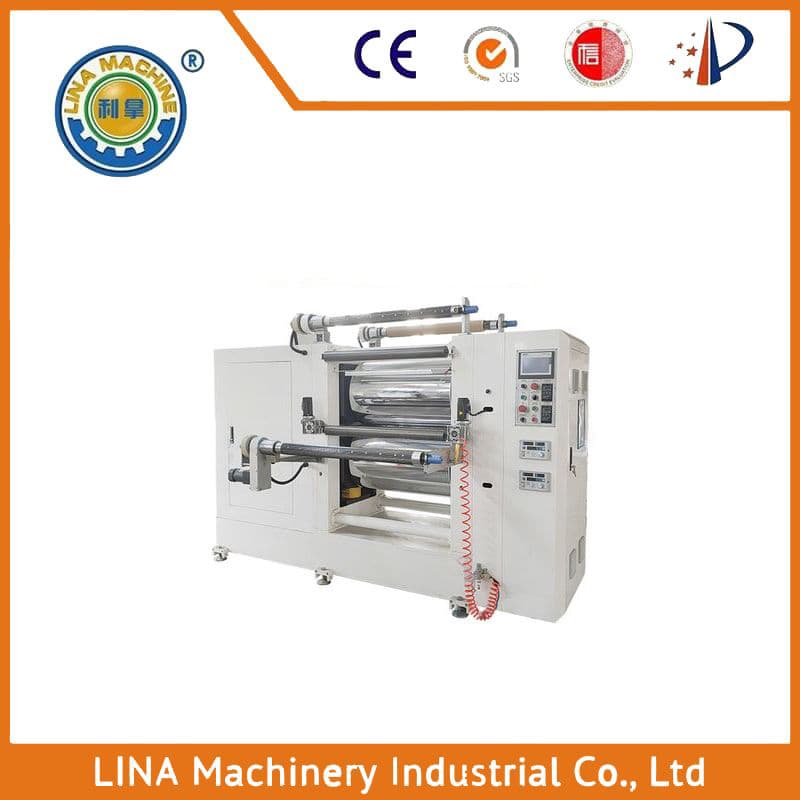
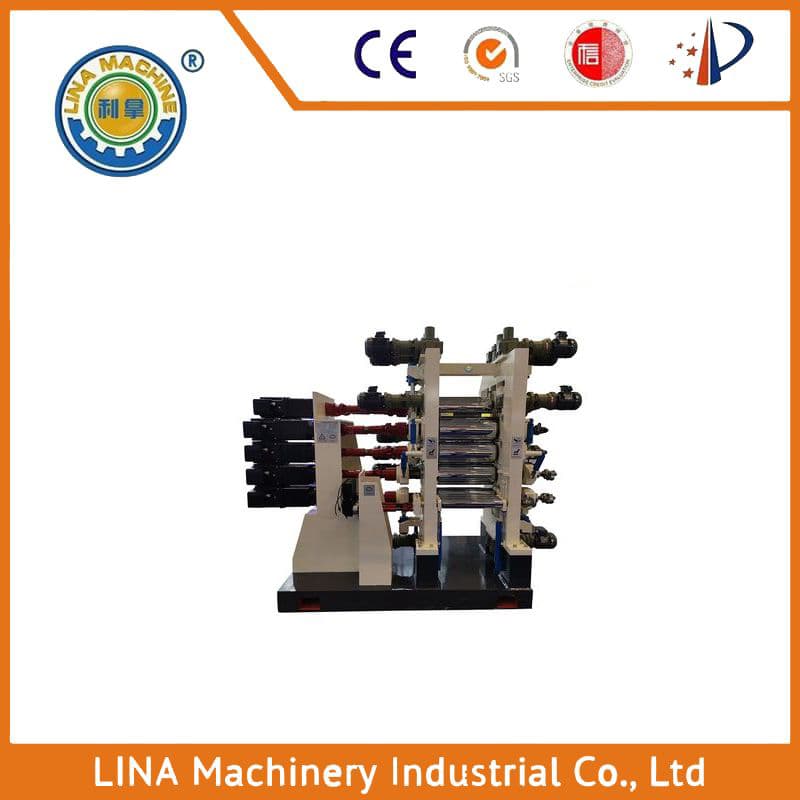
The laboratory rolling mill consists of several components, including the main roll, auxiliary rolls, and the control system. The main roll is the largest and most important part of the machine, which rotates at high speeds to produce the desired shape and size of the material. The auxiliary rolls are smaller than the main roll and help to maintain the proper tension and alignment of the material during the rolling process. The control system is responsible for monitoring and adjusting the temperature, pressure, and other parameters of the machine to ensure consistent quality and efficiency.
One of the key features of the laboratory rolling mill is its ability to produce high-quality sheets with minimal defects. This is achieved through precise control of the temperature, pressure, and rolling speed, as well as the use of advanced materials and techniques. Additionally, the machine can be easily customized to meet specific requirements for different applications, making it a versatile tool for industrial production.
In conclusion, the laboratory rolling mill is an essential tool for the manufacturing industry, particularly in the field of metallurgy and materials science. Its ability to produce high-quality sheets with minimal defects makes it a valuable asset for businesses looking to improve their product quality and efficiency. As technology continues to advance, the capabilities of this machine will continue to evolve, providing even more benefits for the manufacturing industry.