
The Laboratory Rolling Mill: A Critical Tool in Chemical and Materials Science
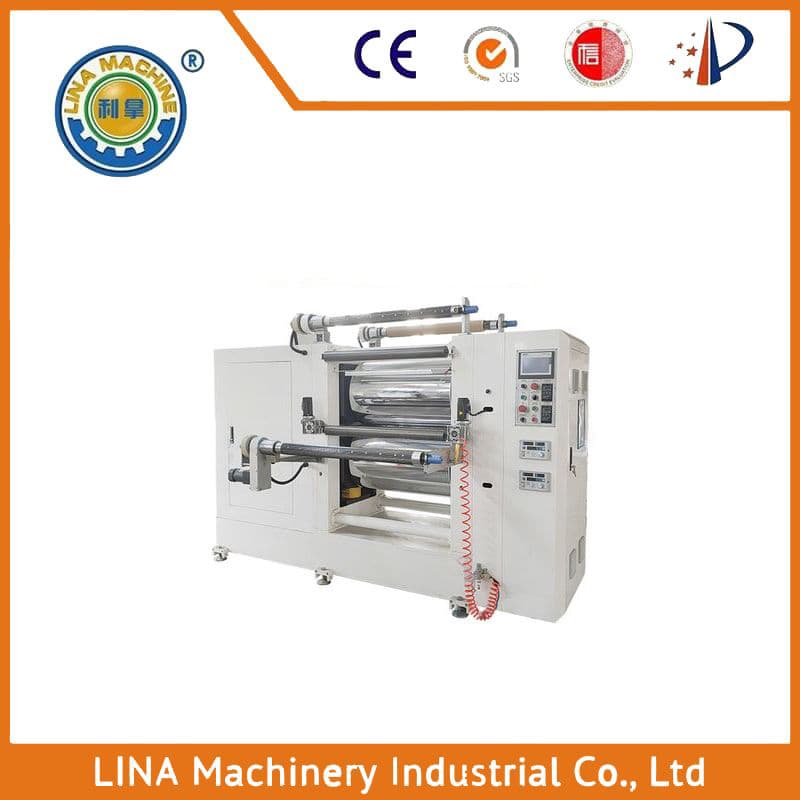
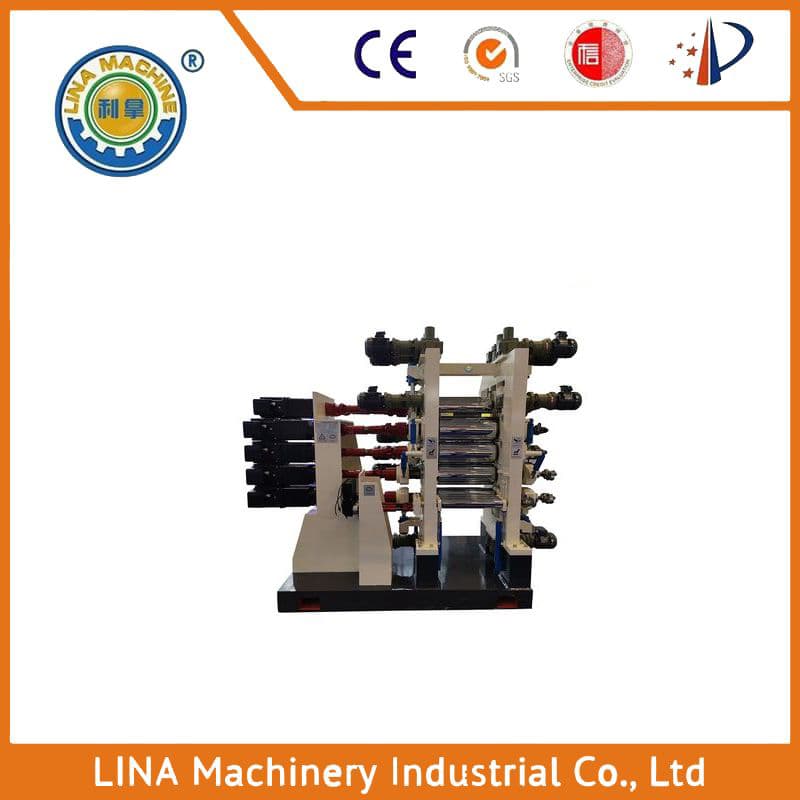
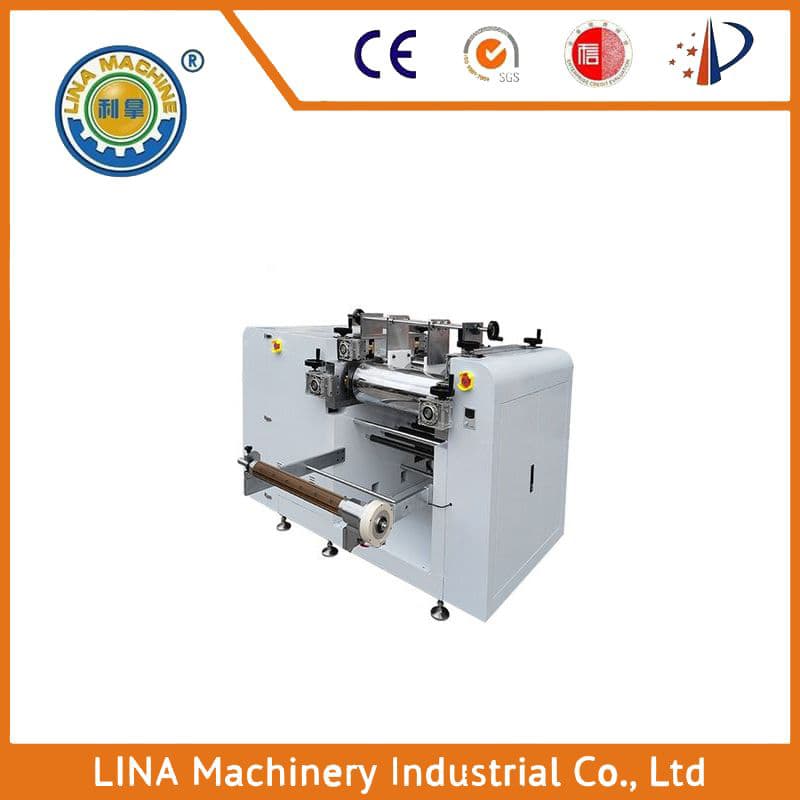
The laboratory rolling mill, also known as a laboratory extruder or laboratory mixer, is an essential tool for researchers and students in the field of chemical and materials science. It is a versatile piece of equipment that can be used to process a wide range of materials, from powders to liquids, and to achieve a variety of physical and chemical transformations. In this article, we will explore the basic principles of operation, the different types of laboratory rolling mills available, their applications, and some tips for effective use.
Firstly, let's understand what a laboratory rolling mill is. It is a machine that uses rotating rolls to mechanically mix or knead ingredients, resulting in a homogeneous mixture. This process is known as extrusion or mixing, and it is crucial in many industrial processes, including plastics, rubber, and food processing.
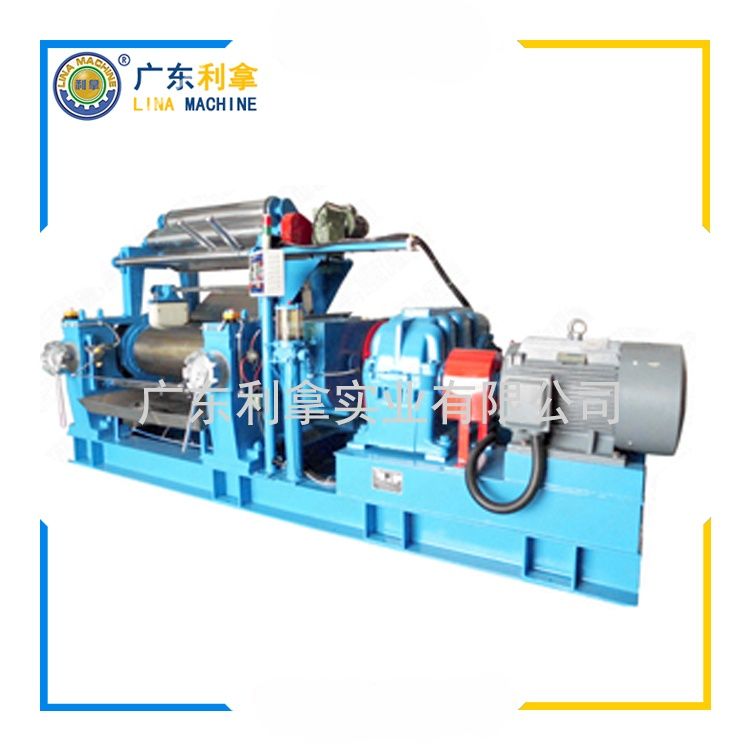
There are two main types of laboratory rolling mills: continuous and batch. Continuous mills are designed to continuously feed and discharge material, while batch mills are used for batch processing. Both types have similar operating principles, but the design and configuration may vary depending on the specific application.
Continuous mills typically consist of a hopper, a screw conveyor, a die, and a collecting drum. The material is fed into the hopper, which is then transported through the screw conveyor. As the material moves down the conveyor, it is forced through the die, where it is subjected to high pressure and temperature. The resulting product is collected in the collecting drum, which is then removed from the mill.
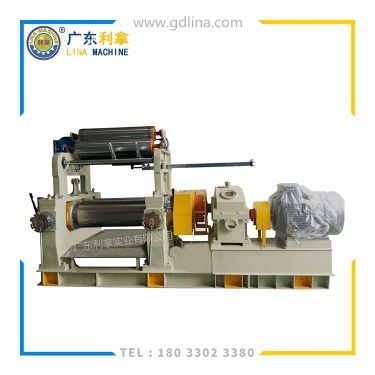
Batch mills, on the other hand, are designed for single-use operations. They usually have a fixed volume and are used for processing small quantities of material. The material is loaded into the mill, which is then closed and sealed. Once the desired amount of material has been processed, the mill is opened and the product is removed.
Applications of laboratory rolling mills are numerous and varied. For example, they are used in the production of plastics, rubber, and other synthetic materials. They are also commonly used in the food industry for the production of dough, batters, and other foodstuffs. Additionally, they are employed in the pharmaceutical industry for the production of tablets, capsules, and other dosage forms.
To ensure optimal performance and safety, it is important to follow proper procedures when using a laboratory rolling mill. This includes ensuring that the material being processed is properly weighed and measured, and that the mill is properly calibrated and maintained. Additionally, operators should always wear appropriate protective gear, such as gloves and goggles, to prevent injury during operation.
In conclusion, the laboratory rolling mill is a valuable tool for researchers and students in the field of chemical and materials science. With its ability to process a wide range of materials and achieve a variety of physical and chemical transformations, it is an essential piece of equipment for any laboratory. By understanding its basic principles of operation, exploring the different types of laboratory rolling mills available, and following proper procedures for safe and effective use, researchers can harness the power of this versatile tool to advance their research and discover new insights.