



Cold Feed Extrusion Machinery: A Comprehensive Guide
Cold feed extrusion machinery is a crucial tool in the manufacturing industry, particularly in the plastics and rubber sectors. This type of equipment is designed to process raw materials into finished products with minimal heat exposure, which can result in improved product quality and reduced energy consumption. In this article, we will explore the basic principles of cold feed extrusion machinery, its applications, and some key features that set it apart from other types of extruders.
Firstly, let's understand what cold feed extrusion is. Cold feed extrusion involves feeding raw materials into the extruder at room temperature, which is then forced through a die by a screw. The resulting material is then cooled and solidified before being cut or molded into desired shapes. This method offers several advantages over traditional hot-compression extrusion, including reduced energy consumption, improved product quality, and lower environmental impact.
One of the primary applications of cold feed extrusion machinery is in the production of thermoplastic films and sheets. These materials are widely used in packaging, food storage, and other applications where flexibility and durability are critical. By using cold feed extrusion, manufacturers can produce films with superior barrier properties and excellent optical clarity, making them ideal for use in high-quality packaging materials.

Another important application of cold feed extrusion is in the production of medical devices. Medical devices require high levels of sterility and biocompatibility, which can be achieved through the use of cold feed extrusion technology. By processing medical grade materials at low temperatures, manufacturers can ensure that their products meet stringent regulatory standards and provide patients with safe and effective treatments.
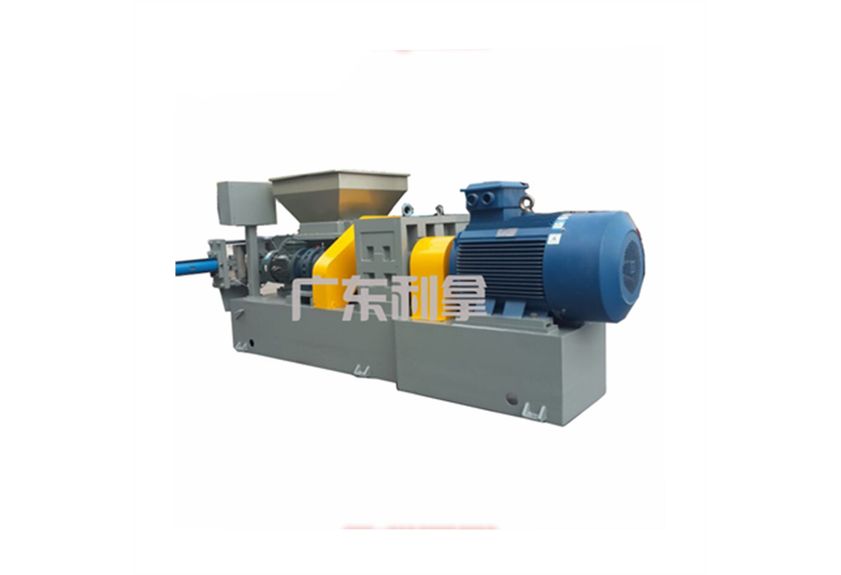
In addition to these applications, cold feed extrusion machinery is also used in the production of automotive parts, such as door seals and fuel injectors. These components require precise dimensions and strength, which can be achieved through the use of cold feed extrusion. By minimizing heat exposure during the manufacturing process, manufacturers can improve the overall performance and reliability of their products.
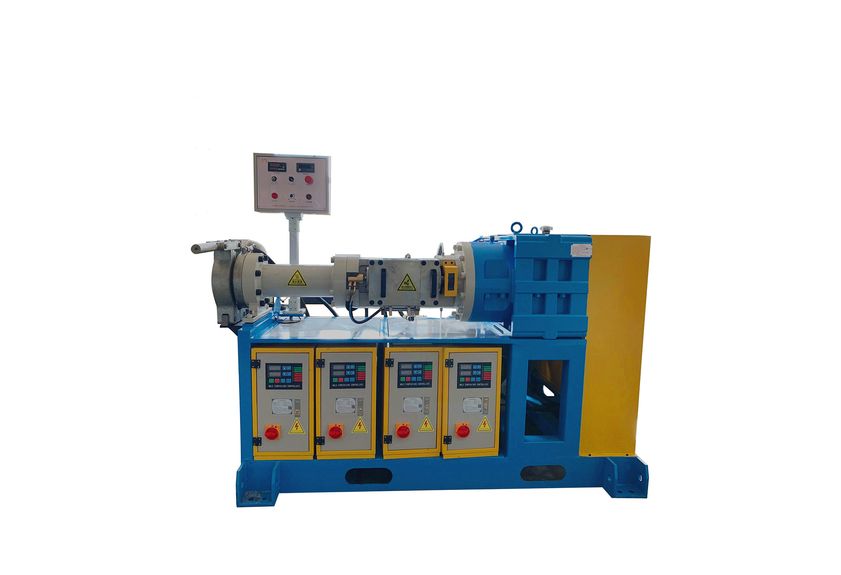
Key Features of Cold Feed Extrusion Machinery
When it comes to selecting the right cold feed extrusion machinery, there are several key features that manufacturers should consider. Firstly, the machine should have a reliable screw design that can handle a wide range of materials without causing excessive wear or damage. Secondly, the machine should have adjustable parameters that allow for easy control over the extrusion process, including temperature, pressure, and speed. Thirdly, the machine should have advanced cooling systems that can quickly and efficiently remove heat from the extruded material, preventing warping or cracking. Finally, the machine should be equipped with a user-friendly interface that allows operators to easily monitor and adjust the process parameters.
Conclusion
In conclusion, cold feed extrusion machinery is a valuable tool for the manufacturing industry, offering numerous benefits including improved product quality, reduced energy consumption, and increased efficiency. By understanding the basic principles of this technology and considering key features when selecting the right equipment, manufacturers can take advantage of its potential and create innovative products that meet the demands of today's market.