
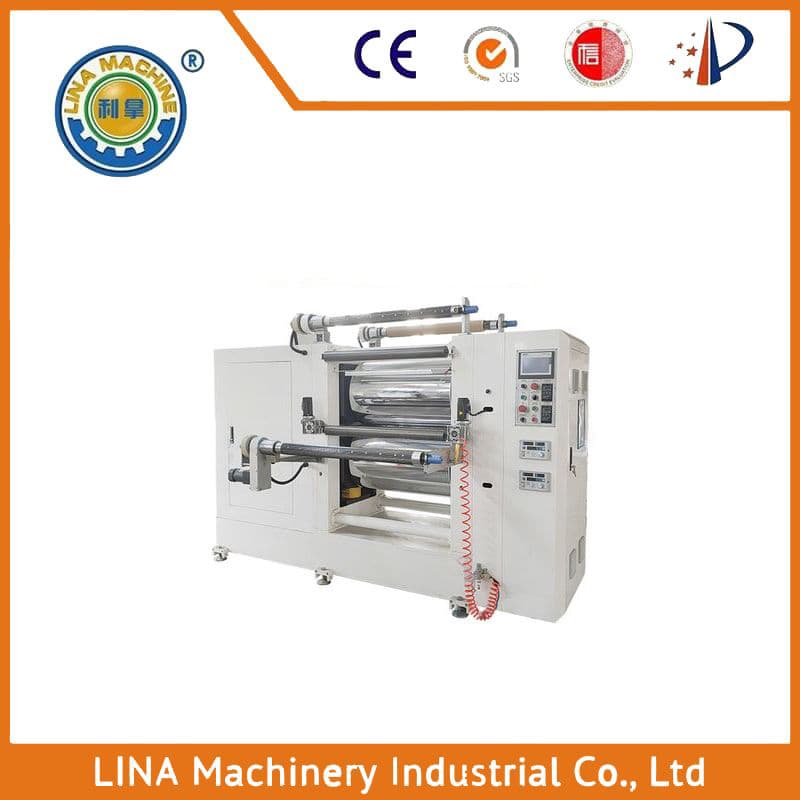
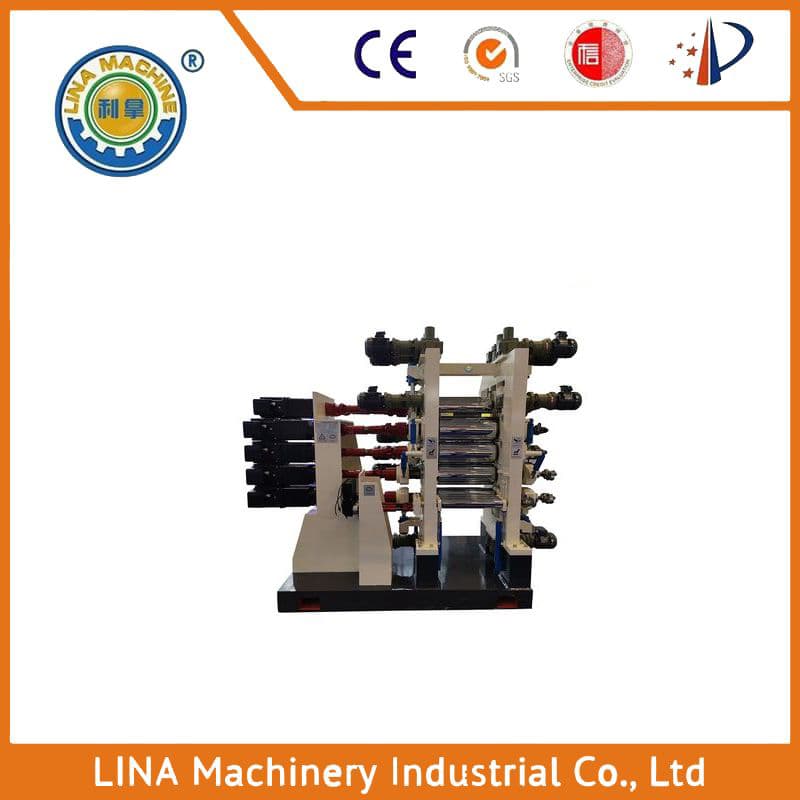
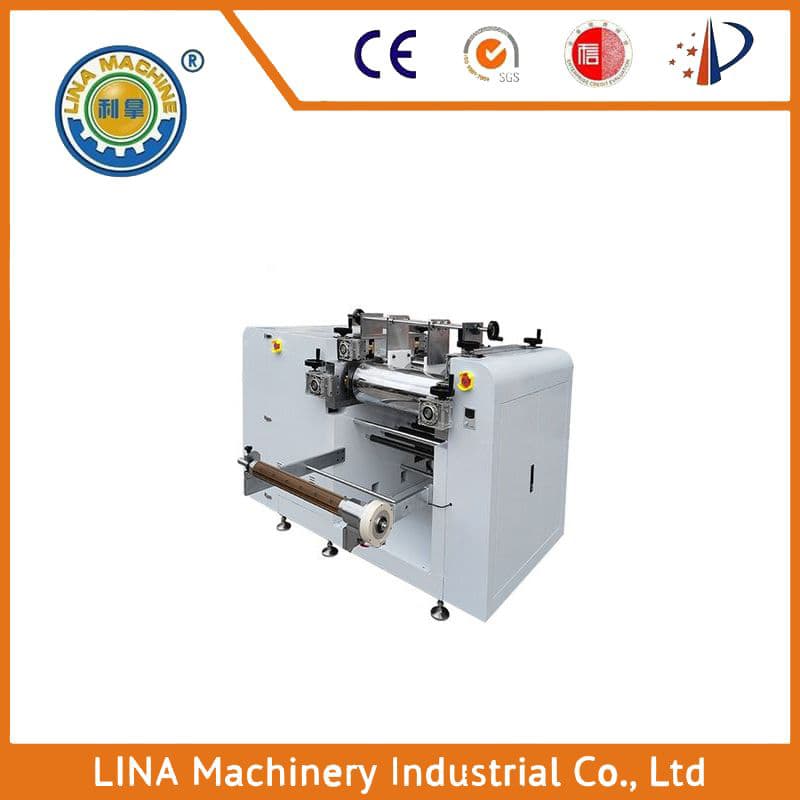
The Double Roll Mill: A Detailed Guide to Its Function and Applications
The double roll mill, also known as a two-roll mill or twin-roll mill, is an essential piece of equipment in the rubber and plastic industry. It is a type of extruder that uses two rotating rollers to mix, knead, and process materials. This machine is widely used for various applications such as compounding, mixing, and shaping of rubber compounds, thermoplastics, and other polymeric materials.
The basic principle behind the operation of a double roll mill is simple yet effective. When the two rollers are rotated at high speeds, they come into contact with each other and start to move the material through the gap between them. As the rollers move, they push the material against each other, causing it to be mixed and kneaded. This process helps to break down large particles into smaller ones, which makes it easier to process the material further.
One of the key features of a double roll mill is its ability to handle a wide range of materials. It can be used to compound a variety of rubber compounds, including natural and synthetic rubbers, as well as thermoplastics like polyethylene and polypropylene. Additionally, the mill can be customized to fit specific needs, such as adding different types of fillers, pigments, and additives to the compound.
Another advantage of using a double roll mill is its efficiency. Compared to other types of extruders, it can produce more uniform and consistent results. This is because the mill's design allows for precise control over the mixing process, ensuring that the material is evenly processed throughout.
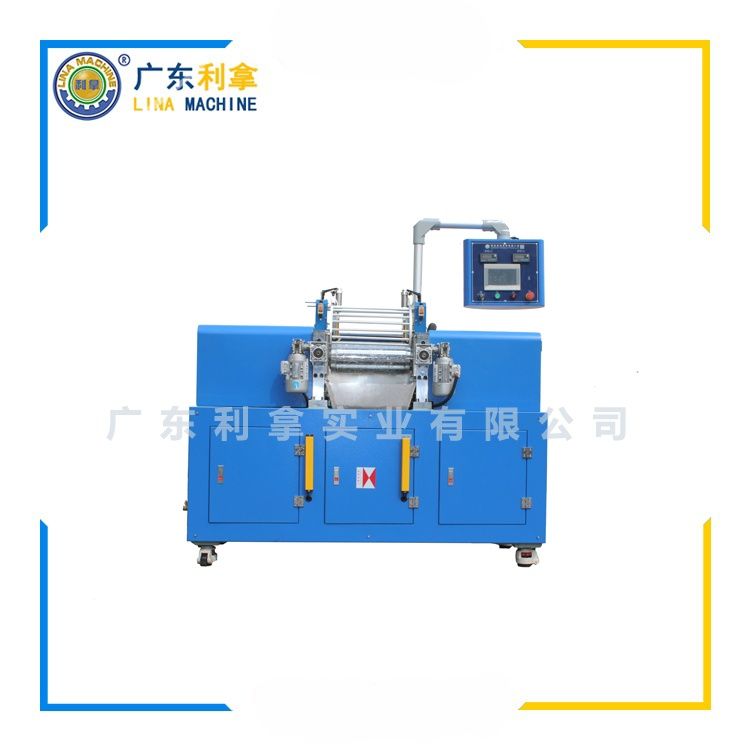
In conclusion, the double roll mill is a versatile and efficient tool for the rubber and plastic industry. Its ability to handle a wide range of materials and produce consistent results makes it a valuable asset for any production facility. Whether you're looking to compound new rubber compounds or process existing materials, a double roll mill is an excellent choice for your next project.