



Article Title: The Art of Mixi...
Article Title: The Art of Mixing: An Insight into the World of Mixing Machines
Content:
Mixing machines, also known as mixers or kneaders, are essential tools in the food industry and other industries that require a homogenous mixture. These machines work by rotating a drum or bowl, which is then filled with ingredients and mixed together using various techniques such as stirring, blending, or kneading. In this article, we will explore the different types of mixing machines, their applications, and some tips for successful mixing.
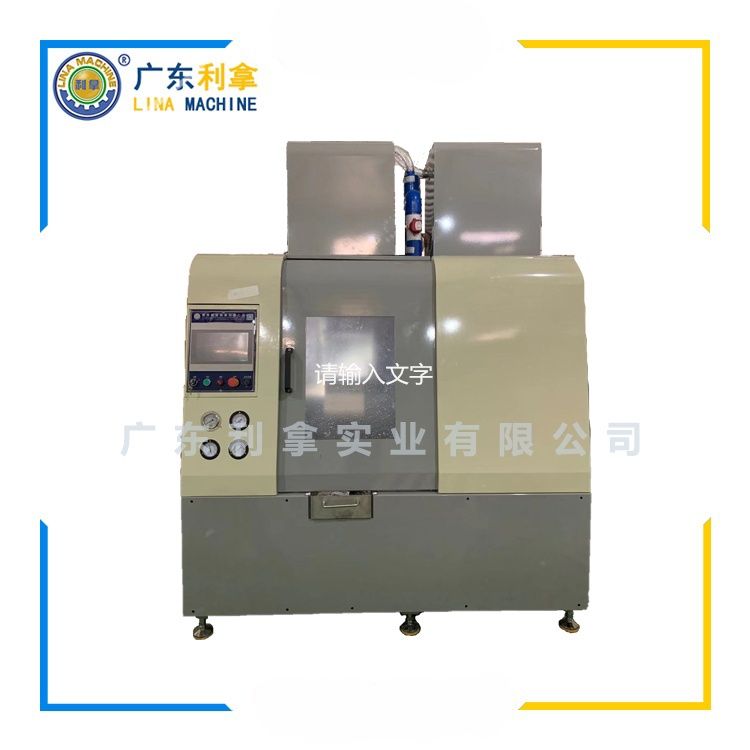
#Different Types of Mixing Machines
There are several types of mixing machines available, each with its own unique features and capabilities. Here are a few examples:
1. Rotary Mixers: These machines use a rotating drum to mix ingredients together. They are commonly used in food production, where they help create doughs, batters, and sauces.
2. Ball Mills: These machines use small balls to grind and mix ingredients. They are often used in pharmaceutical and chemical industries to produce fine powders and suspensions.
3. Centrifugal Mixers: These machines use centrifugal force to mix ingredients together. They are commonly used in the food industry to create emulsions and foams.
4. Vortex Mixers: These machines use a vortex tube to mix ingredients together. They are often used in the pharmaceutical industry to create suspensions and solutions.
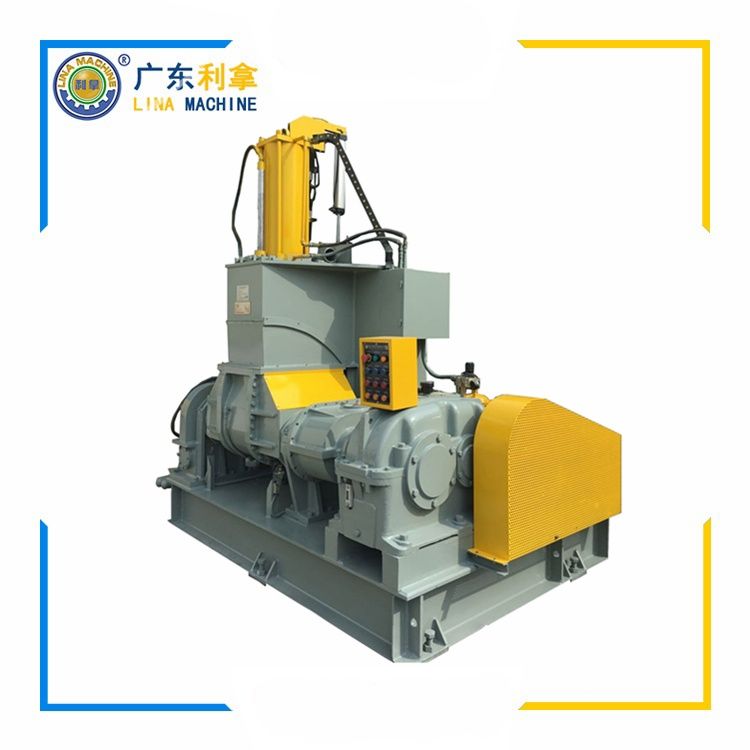
5. High-Speed Mixers: These machines use high-speed rotation to mix ingredients together. They are commonly used in the automotive and aerospace industries to create composite materials and coatings.
#Applications of Mixing Machines
Mixing machines are used in a wide range of industries, from food and beverage production to pharmaceuticals and chemicals. Some common applications include:
- Food Industry: Mixing machines are used to create doughs, batters, and sauces for pizza, bread, and other baked goods. They also help in the production of frozen desserts and ice cream.
- Pharmaceutical Industry: Mixing machines are used to create suspensions and solutions for drug delivery systems, vaccines, and other medical products.
- Chemical Industry: Mixing machines are used to create emulsions and foams for cosmetics, detergents, and other cleaning products.
- Automotive Industry: Mixing machines are used to create composite materials and coatings for automobile parts.
- Aerospace Industry: Mixing machines are used to create composite materials and coatings for aircraft components.
#Tips for Successful Mixing
To ensure successful mixing, it is important to follow these tips:
- Proper Material Handling: Ensure that all ingredients are properly weighed and measured before mixing. This helps prevent contamination and ensures consistent results.
- Temperature Control: Keep the mixing environment at a consistent temperature to avoid thermal degradation of ingredients.
- Stirring Speed: Use the right speed for the type of material being mixed. For example, high-speed mixing is needed for solids, while low-speed mixing is needed for liquids.
- Cleanliness: Ensure that the mixing equipment is clean and free from any debris or impurities that could affect the quality of the final product.
- Monitoring: Regularly monitor the mixing process to ensure that it is proceeding smoothly and that no issues arise.
In conclusion, mixing machines play an essential role in many industries, from food production to pharmaceuticals and chemicals. By understanding the different types of mixing machines and their applications, as well as following proper mixing techniques, you can achieve successful mixing results every time.