

Understanding the Low-Temperature Rubber Filtering Press
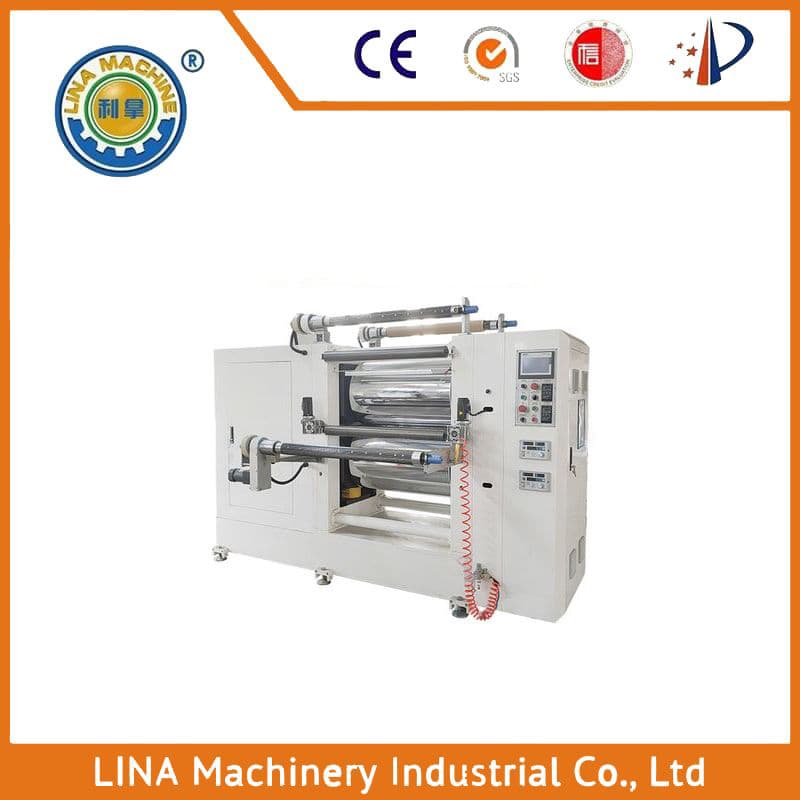
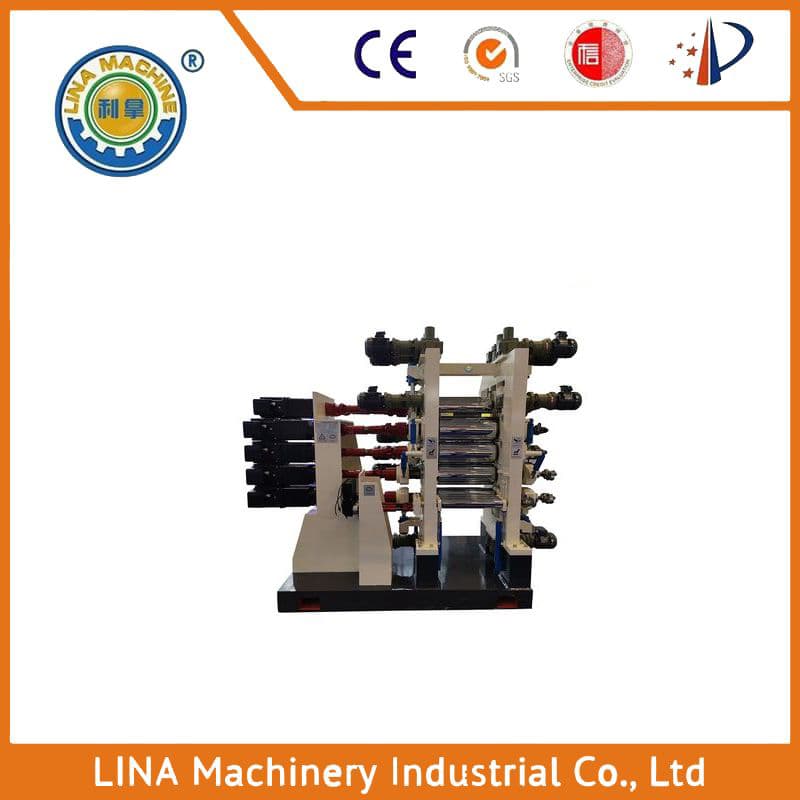
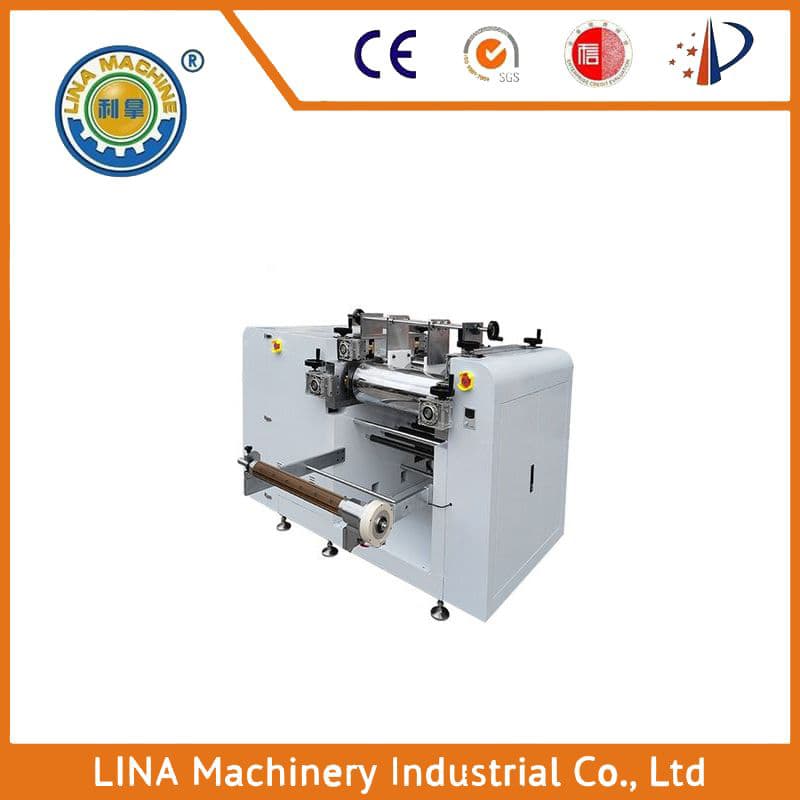
The low-temperature rubber filtering press is a crucial piece of equipment in the textile and papermaking industries. It plays a vital role in removing impurities from raw materials, such as fibers, pulp, or fabrics, to produce high-quality products. This article will provide an overview of the low-temperature rubber filtering press, its working principle, and some key features that make it effective in this industry.
The low-temperature rubber filtering press is designed to maintain a constant temperature during the filtration process. This is achieved by using a heat exchanger system that transfers heat between the hot fluid and the cold material being filtered. The temperature of the filtrate is controlled to ensure that it meets the desired quality standards for the final product.
One of the key features of the low-temperature rubber filtering press is its ability to handle a wide range of materials. It can be used to filter a variety of liquids, including water, oil, and other solvents. Additionally, the press can be customized to fit specific needs, such as different filter sizes or pressure settings.
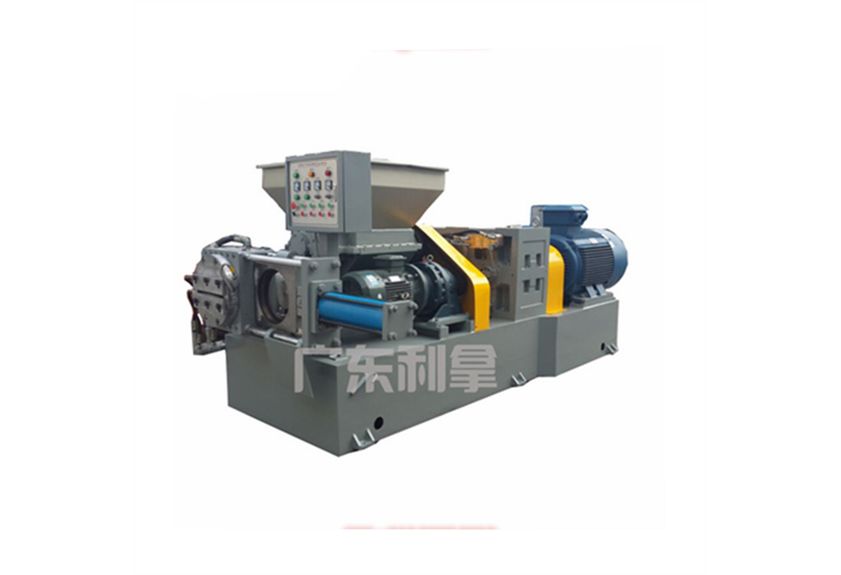
Another important aspect of the low-temperature rubber filtering press is its efficiency. The press uses advanced filtration technology to remove impurities from the material with minimal loss of quality. This results in a higher yield of clean material and lower production costs.
In conclusion, the low-temperature rubber filtering press is an essential tool for the textile and papermaking industries. Its ability to maintain a consistent temperature, handle a wide range of materials, and achieve high efficiency makes it a valuable investment for any production facility. By understanding its working principles and key features, manufacturers can optimize their operations and improve the quality of their products.