



The Art of Ceramic Powder Mixing Machinery
Ceramic powder mixing machinery is a crucial tool in the ceramics industry, used to mix and blend various types of ceramic powders into uniform mixtures. This process is essential for creating high-quality ceramic products such as tiles, pottery, and other decorative items. In this article, we will explore the different types of ceramic powder mixing machines available and their benefits for the ceramics industry.
The first type of ceramic powder mixing machine is the ball mill, which uses small balls to crush and grind the ceramic powders. This method is commonly used for mixing finer powders that require more thorough grinding. Ball mills are efficient and can handle large amounts of powder, making them ideal for industrial-scale production.
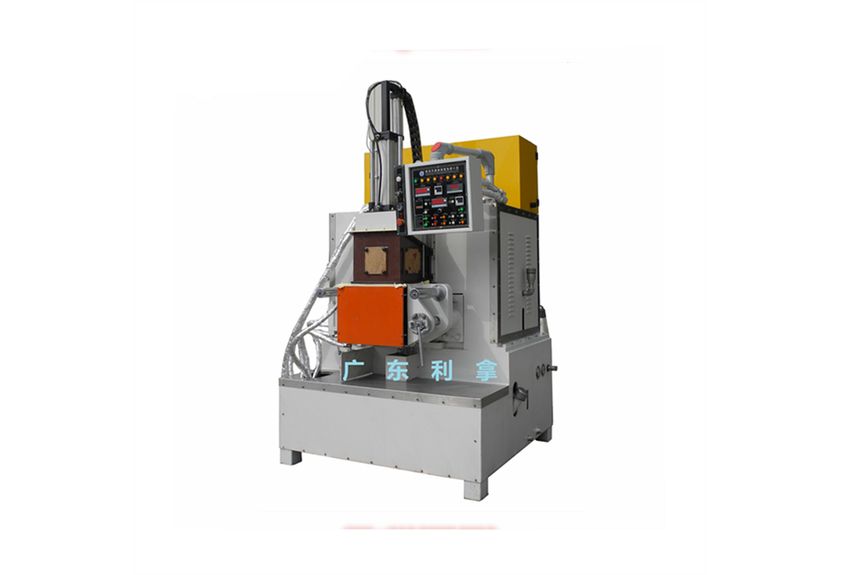
Another popular type of ceramic powder mixing machine is the roller mill, which uses rollers to crush and blend the powders. This method is suitable for mixing coarser powders that require less grinding. Roller mills are relatively simple to operate and can be used for small-scale production.
In addition to these two types of ceramic powder mixing machines, there are also other specialized models available for specific applications. For example, some machines are designed specifically for mixing kaolin or clay, while others are optimized for mixing glass or metal powders. These specialized models offer unique features and advantages for specific industries, making them valuable tools for achieving optimal results.
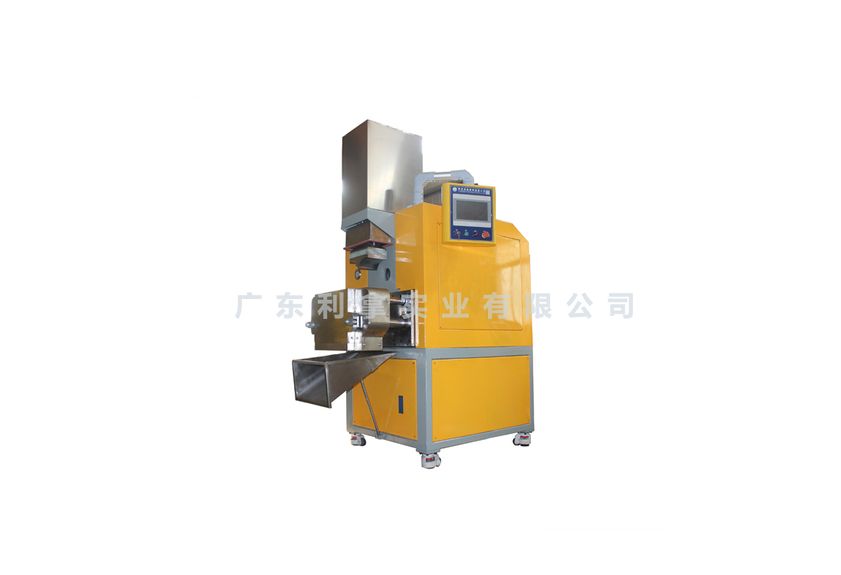
The benefits of using ceramic powder mixing machinery are numerous. Firstly, it helps to ensure consistent quality and consistency in the final product. By using a machine, manufacturers can produce ceramic products with uniform properties and characteristics, which are critical for achieving desired aesthetics and functionality.
Secondly, ceramic powder mixing machinery reduces labor costs and improves efficiency. Manufacturers can save time and resources by using automated equipment, which allows for faster processing times and increased productivity.
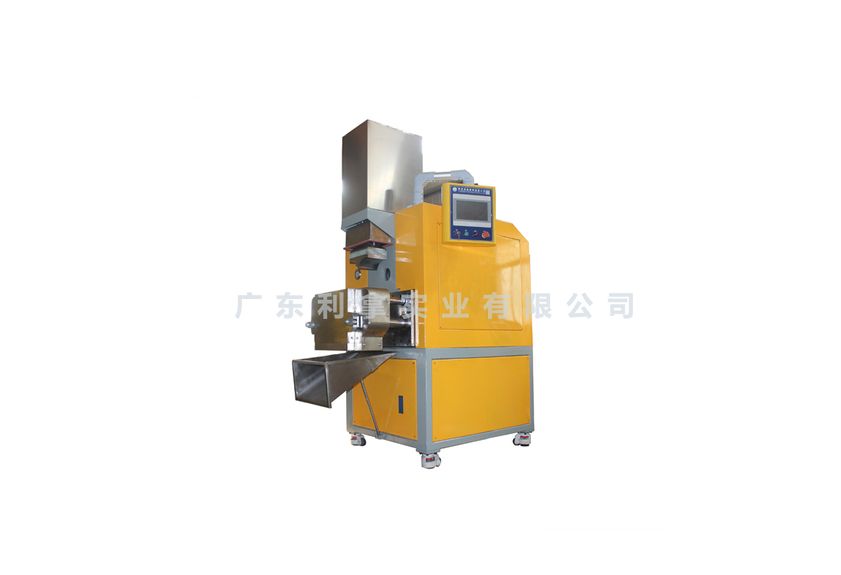
Finally, ceramic powder mixing machinery contributes to environmental sustainability by reducing waste and improving resource efficiency. By using machines that minimize the use of raw materials and energy, manufacturers can reduce their carbon footprint and minimize their impact on the environment.
1. Ceramic Powder Mixing Machinery
2. Ball Mill
3. Roller Mill
4. Kaolin
5. Clay
6. Glass
7. Metal Powder
8. Consistency
9. Labor Costs
10. Environmental Sustainability
This article provides an in-depth exploration of the various types of ceramic powder mixing machinery available in the market today, highlighting their benefits for the ceramics industry. We discuss the different methods used to mix ceramic powders, including ball mills and roller mills, and explain why they are preferred over traditional methods. We also highlight the importance of consistency in the final product and how using a machine can help achieve this goal. Additionally, we discuss the benefits of using ceramic powder mixing machinery in terms of labor costs, efficiency, and environmental sustainability. By understanding the different types of machinery available and their advantages, manufacturers can make informed decisions when selecting the right equipment for their production needs.