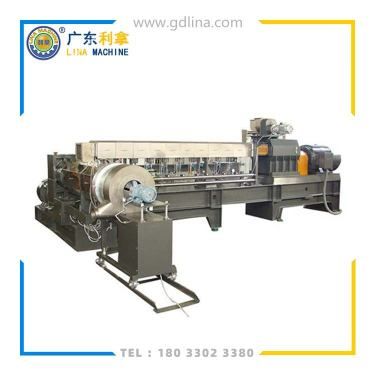
The Integration of Oak and Plastic in Composite Granulation Production Lines
The production of composite materials, such as those made from wood and plastic, has become increasingly popular in recent years. This is due to the fact that these materials offer a wide range of benefits, including durability, strength, and flexibility. One of the key steps in the production process is the granulation step, which involves mixing the different components together and forming them into small pellets. In this article, we will explore the integration of oak and plastic in this granulation production line.
The first step in creating a composite granulation production line is to select the appropriate materials for the project. Oak is a natural material that can be used to create strong and durable products. However, it may not be suitable for certain applications, such as those that require high levels of flexibility or resistance to chemicals. Plastic, on the other hand, is a synthetic material that can be molded into various shapes and sizes. It is also highly resistant to wear and tear, making it ideal for use in outdoor applications.
Once the materials have been selected, the next step is to design the granulation production line. This involves selecting the appropriate equipment and machinery to handle the different stages of the process. For example, the mixing stage may require a mixer that can handle both oak and plastic materials, while the granulation stage may require a granulator that can produce small pellets with consistent size and shape.
The third step is to develop the recipe for the composite material. This involves combining the oak and plastic ingredients in specific ratios to achieve the desired properties of the final product. For example, if the goal is to create a composite material that is lightweight but still strong, the recipe may include a combination of oak fibers and plastic resin.
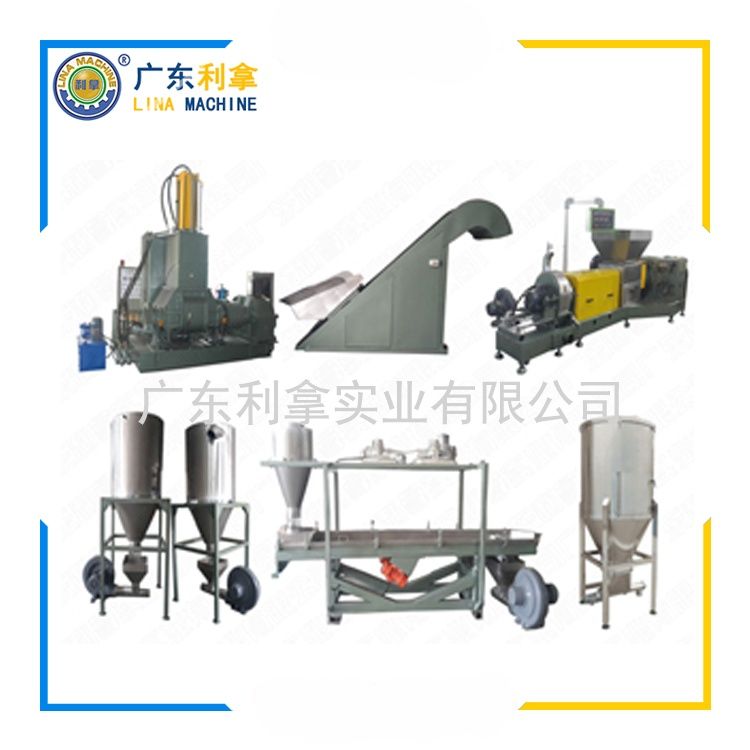
Once the recipe has been developed, the next step is to start the granulation production line. This involves feeding the ingredients into the mixer and then transferring them to the granulator. The granulator uses heat and pressure to melt the ingredients together and form them into small pellets. These pellets are then collected and stored for further processing or use.
In conclusion, the integration of oak and plastic in composite granulation production lines is an exciting development in the field of materials science. By using these two materials together, we can create products that combine the best features of each material, resulting in products that are both durable and flexible. As technology continues to advance, we can expect to see even more innovative solutions like this one emerge in the future.