
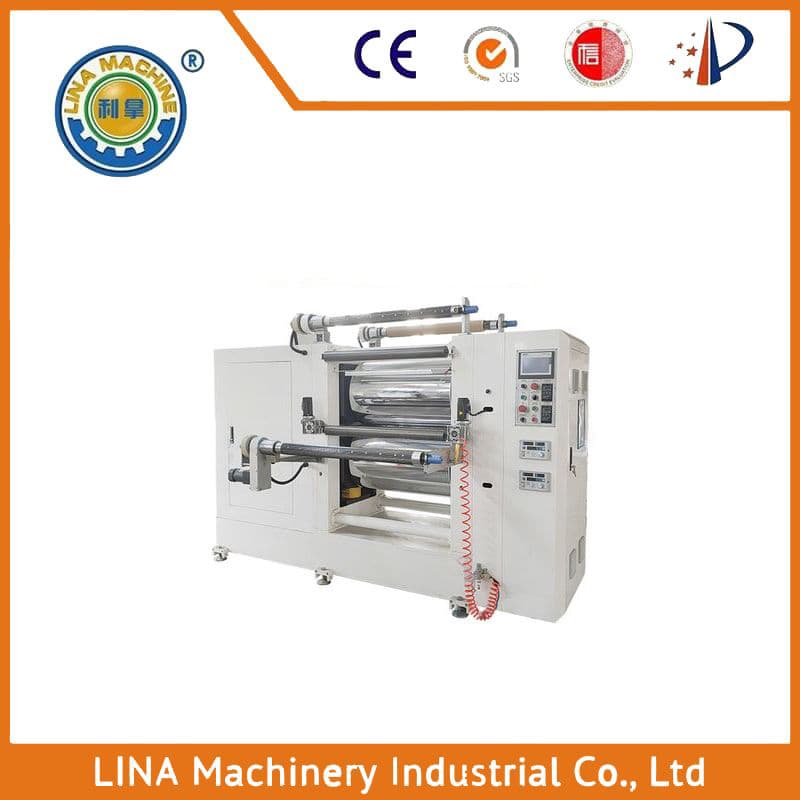
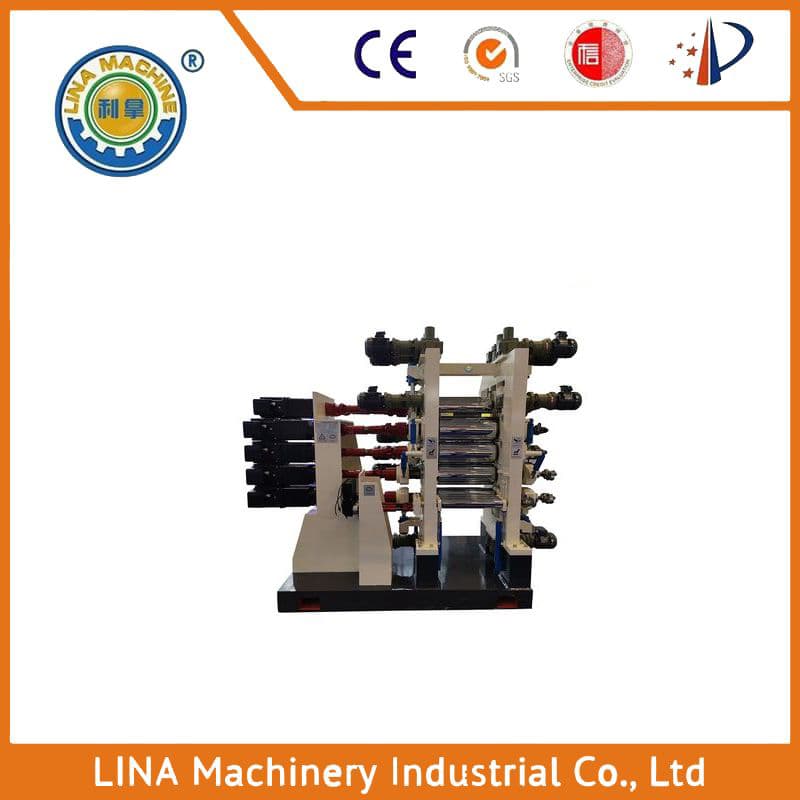
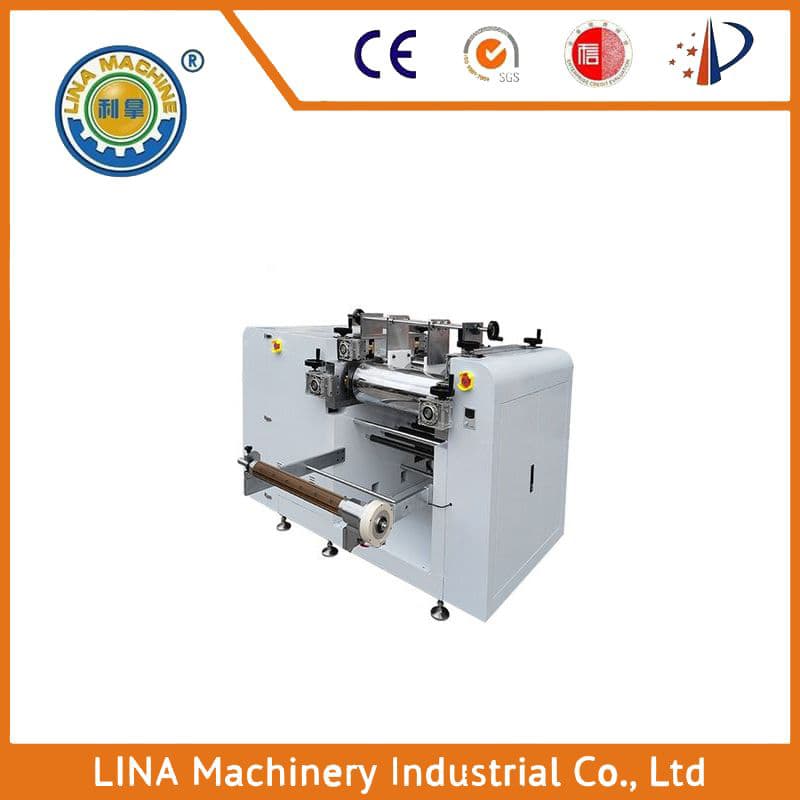
The Secondary Dust-Proof Mixing Machine
The secondary dust-proof mixing machine is an essential tool in the production process of many industries, particularly those that involve handling or processing materials with a high level of dust. This machine is designed to ensure that the materials being mixed are free from any foreign particles, including dust, ensuring the quality and consistency of the final product. In this article, we will explore the features, benefits, and applications of this innovative piece of machinery.
Firstly, let's talk about the features of the secondary dust-proof mixing machine. These machines are typically equipped with advanced technology that allows for precise control over the mixing process. They come with features such as adjustable speeds, temperature controls, and even automated functions that can be programmed to suit specific needs. Additionally, these machines are designed to be highly efficient, meaning they can handle large quantities of material quickly and effectively without compromising on quality.

Now, let's discuss the benefits of using a secondary dust-proof mixing machine. One of the most significant advantages is the reduction in contamination of the final product. By eliminating dust and other foreign particles, the quality of the final product is significantly improved, which can lead to increased customer satisfaction and better brand reputation. Additionally, these machines can save time and resources by reducing downtime due to maintenance or repairs, leading to increased productivity.
Finally, let's consider the applications of the secondary dust-proof mixing machine. These machines are commonly used in industries such as pharmaceuticals, food processing, and automotive manufacturing. They are also becoming increasingly popular in the construction industry, where they are used to mix concrete and other building materials.
In conclusion, the secondary dust-proof mixing machine is a valuable tool in the production process of many industries. Its advanced technology, efficiency, and ability to eliminate contamination make it an essential investment for businesses looking to improve their product quality and increase productivity.