
The Art of Particle Formation in Ceramic Powder Making Machines
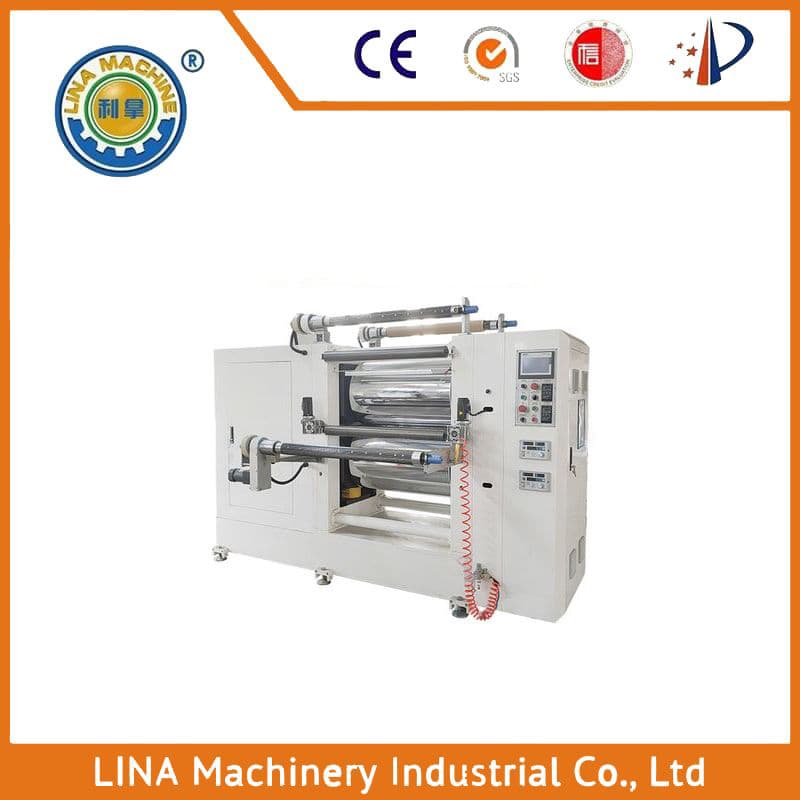
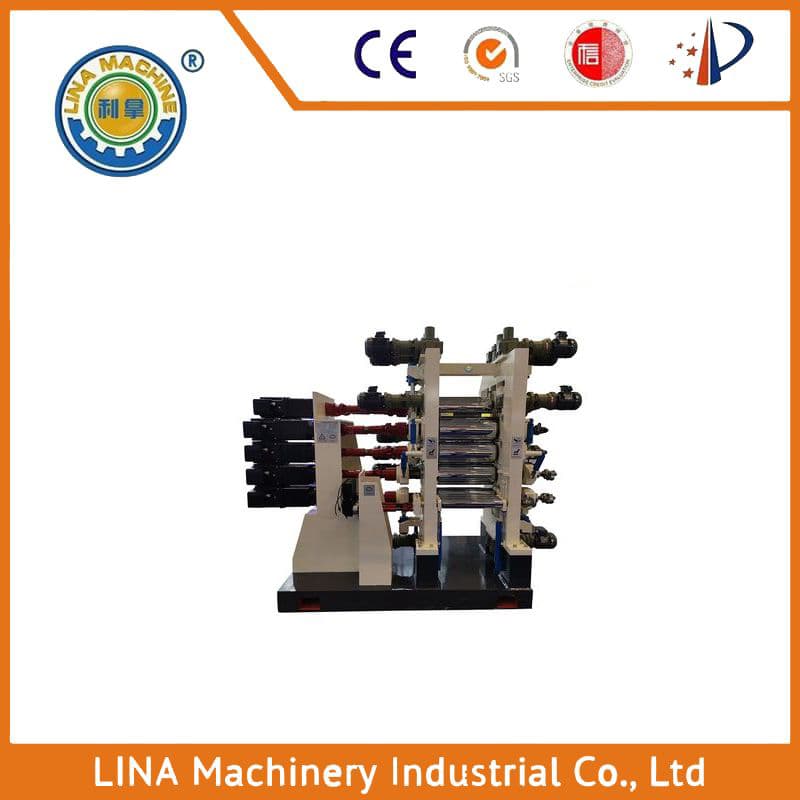
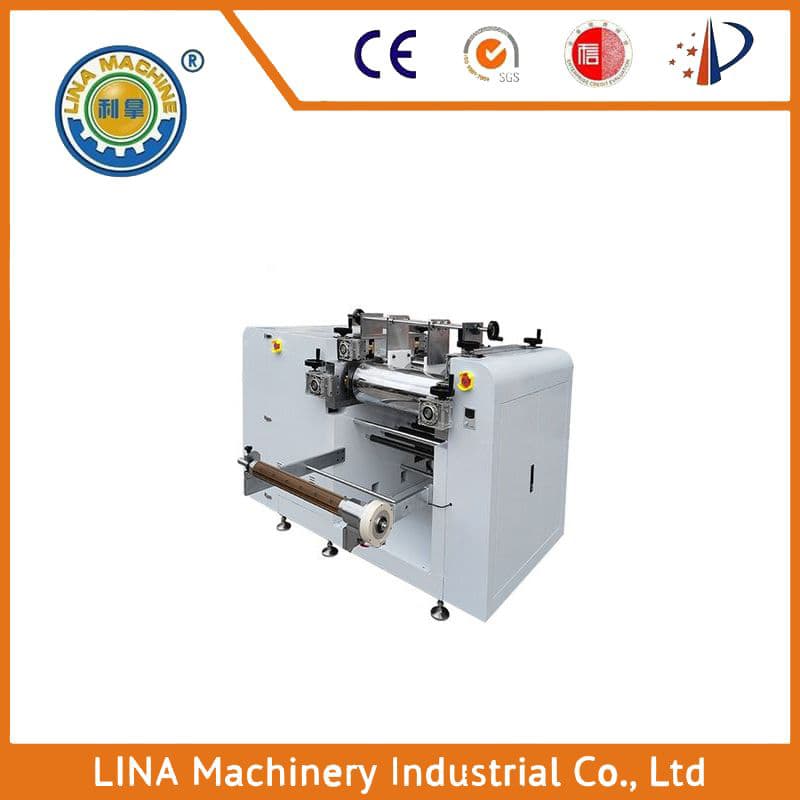
Ceramic powder making machines play a crucial role in the production of ceramic materials, as they are essential tools for shaping and forming ceramic powder into desired shapes. These machines are designed to process ceramic powders by applying pressure and heat to create particles with uniform size and shape. In this article, we will explore the different types of ceramic powder making machines, their applications, and how they contribute to the success of ceramic manufacturing.
One of the most common types of ceramic powder making machines is the ball mill. This machine uses grinding media to break down ceramic powder into smaller particles, which can then be further processed using other equipment. Ball mills are commonly used in the production of ceramic pigments, where they help to achieve a more even distribution of colorants throughout the powder.
Another type of ceramic powder making machine is the attritor, which uses rotating cylinders to grind ceramic powder into smaller particles. This machine is particularly useful for producing fine-grained ceramic powders that are suitable for use in high-performance applications such as electronics and aerospace.
In addition to these traditional machines, there are also modern technologies being developed for ceramic powder making. For example, some manufacturers are using ultrasonic technology to produce ceramic powders with improved particle sizes and shapes. This technology involves passing ceramic powder through an ultrasonic generator, which generates high-frequency sound waves that cause the powder to vibrate and agglomerate into larger particles.
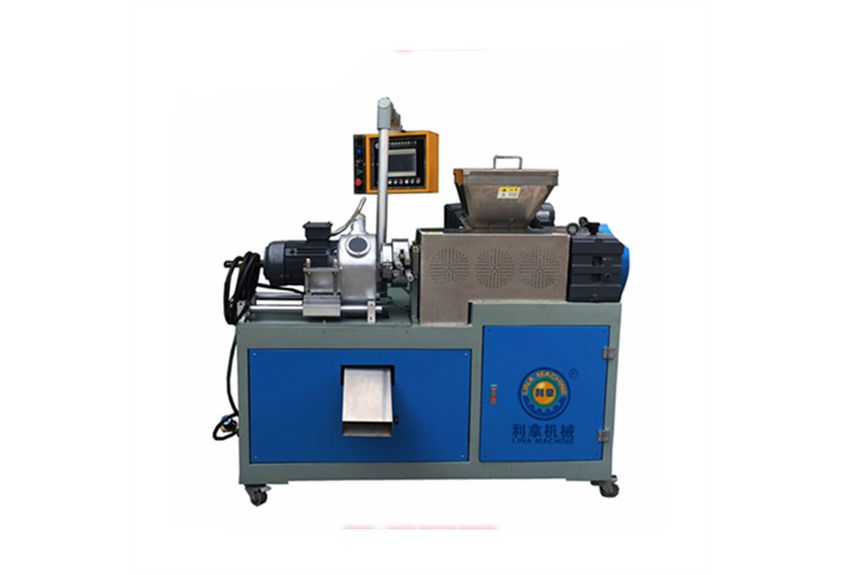
The choice of ceramic powder making machine depends on the specific requirements of the end product and the desired particle size and shape. For example, if you need to produce ceramic pigments with a high level of color intensity, a ball mill may be the best option. However, if you require fine-grained ceramic powders for electronic or aerospace applications, an attritor may be more appropriate.
In conclusion, ceramic powder making machines play a vital role in the production of ceramic materials. By understanding the different types of machines available and their applications, manufacturers can choose the right equipment to meet their specific needs and achieve optimal results.