



The Art of Rubber Blending: An Exploration of Rubber Processing Machines
The art of rubber blending is a fascinating process that involves the creation of high-quality, durable, and flexible materials through the use of specialized machinery. Rubber processing machines play a crucial role in this process, as they enable precise control over the mixing, kneading, and shaping of rubber compounds. In this article, we will explore the different types of rubber processing machines available and their unique features, as well as their applications in the rubber industry.
One of the most common types of rubber processing machines is the vulcanization machine. This machine is used to cure rubber compounds by subjecting them to heat and pressure. The vulcanization process is essential for producing durable and long-lasting rubber products such as tires, hoses, and seals. Vulcanization machines come in various sizes and configurations, each designed to handle specific types of rubber compounds and production volumes.
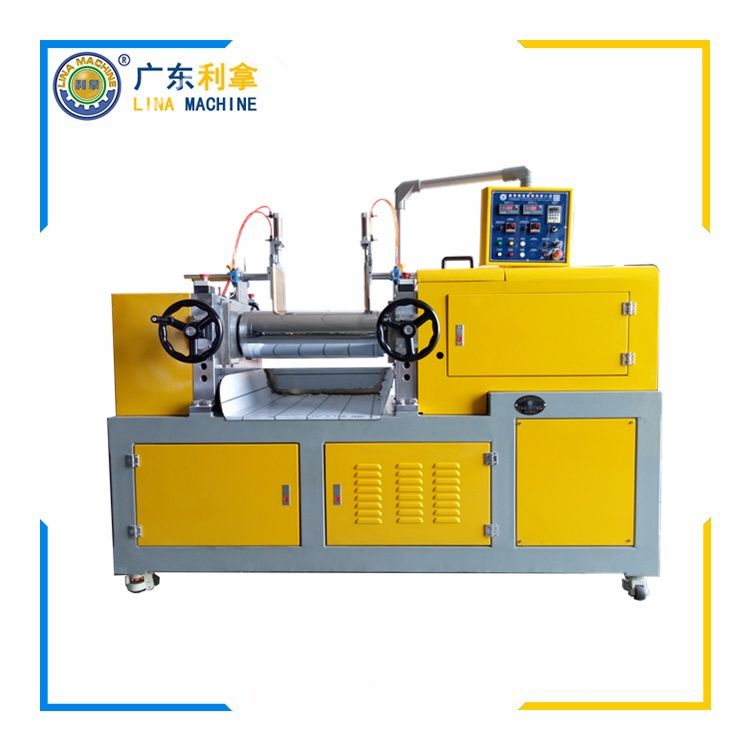
Another important type of rubber processing machine is the extruder. Extruders are used to produce continuous lengths of rubber material, which can then be molded or cut into desired shapes. These machines are highly versatile and can be used to produce a wide range of products, including hoses, belts, and pipes. Extruders are often equipped with advanced technology, such as sensors and computer controls, to optimize production efficiency and reduce waste.
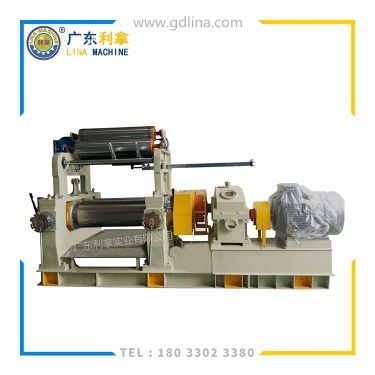
In addition to vulcanization and extruders, there are other specialized rubber processing machines that are used in the industry. For example, the compression molding machine is used to shape rubber products by applying pressure and temperature to the material. This machine is ideal for producing complex shapes and intricate designs. Another example is the injection molding machine, which uses compressed air or steam to force molten rubber into molds, resulting in precise and uniform products.
The applications of rubber processing machines are vast and varied, from automotive and construction industries to medical devices and electronics. As the demand for high-quality rubber products continues to grow, the importance of these machines in the industry cannot be overstated. By providing precise control over the mixing, kneading, and shaping of rubber compounds, rubber processing machines help manufacturers achieve higher levels of consistency, durability, and performance.
1. Rubber Processing Machines
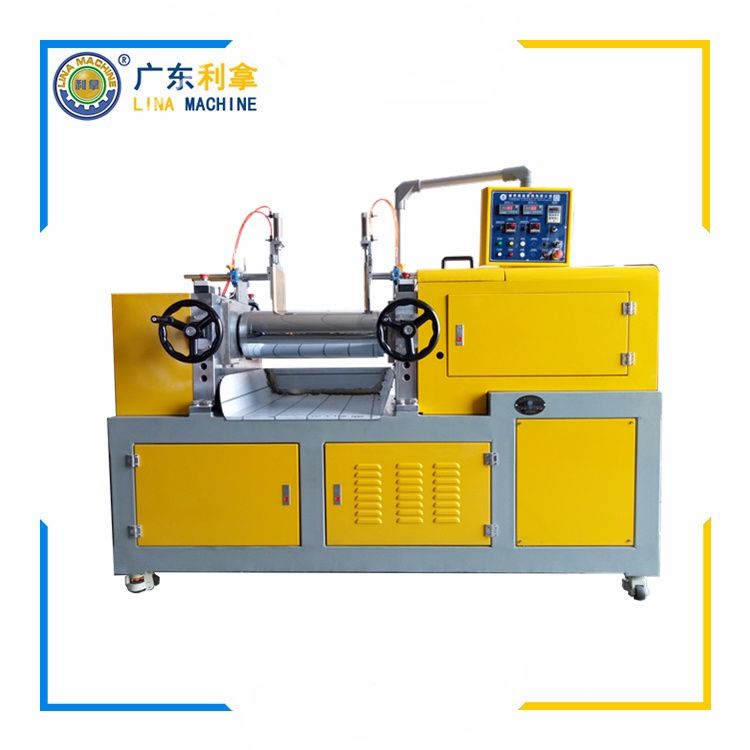
2. Vulcanization Machine
3. Extruder
4. Compression Molding Machine
5. Injection Molding Machine
This article provides an in-depth exploration of the various types of rubber processing machines used in the industry, highlighting their unique features and applications. From vulcanization machines to extruders, compression molding machines, and injection molding machines, these machines play a crucial role in producing high-quality rubber products that meet the demands of various industries. By providing precise control over the mixing, kneading, and shaping of rubber compounds, these machines help manufacturers achieve higher levels of consistency, durability, and performance. As the demand for high-quality rubber products continues to grow, the importance of these machines in the industry cannot be overstated.