



The Role of the Mixing Machine in Chemical Processing
The mixing machine is an essential tool in the chemical industry, used to combine and homogenize various substances. It plays a crucial role in the production process by ensuring that the ingredients are mixed thoroughly and evenly. This results in a product with consistent quality and uniform properties. In this article, we will explore the different types of mixing machines available and their applications in the chemical industry.
One of the most common types of mixing machines is the stirred tank, which uses a rotating impeller to mix the ingredients. This type of machine is ideal for high-viscosity materials such as oils and greases. Another popular type is the kneading machine, which uses a rotating drum to mix the ingredients. This type of machine is suitable for materials with low viscosity, such as powders and granulate.
In addition to these two types, there are also other specialized mixing machines available, such as the extruder and the blender. The extruder is used to form solid materials into shapes, while the blender is used to mix liquids and solids together. These machines are particularly useful in the pharmaceutical industry, where they are used to produce tablets and capsules.
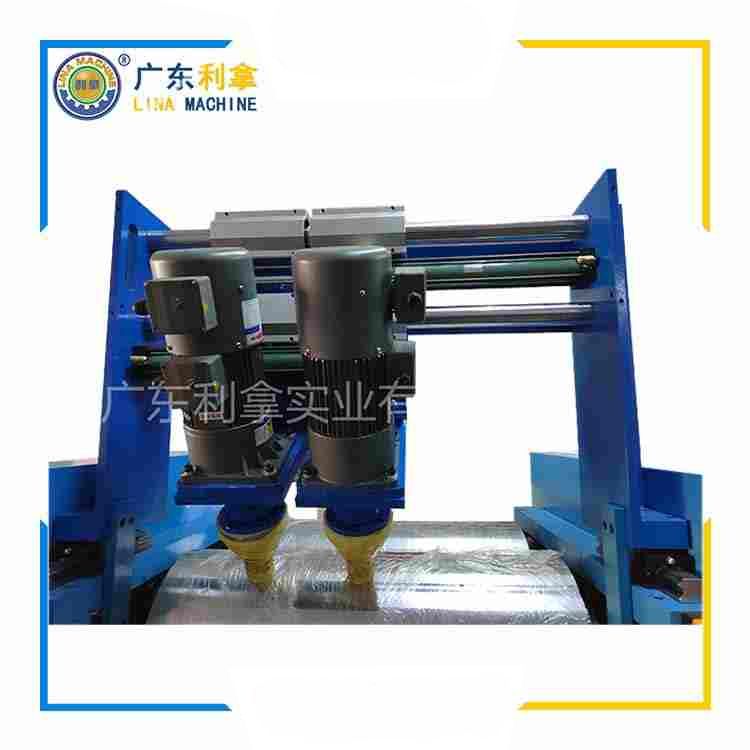
The choice of mixing machine depends on the specific requirements of the chemical process. For example, if the material being processed has a high viscosity, a stirred tank may be the best option. If the material requires a more even distribution of ingredients, a kneading machine may be necessary. The choice of machine also depends on the size and complexity of the process. Larger processes may require multiple machines to achieve optimal results.
In conclusion, the mixing machine is an essential tool in the chemical industry, used to ensure that ingredients are mixed thoroughly and evenly. There are various types of mixing machines available, each with its own advantages and limitations. The choice of machine depends on the specific requirements of the chemical process, as well as the size and complexity of the process. By understanding the different types of mixing machines and their applications, chemical engineers can make informed decisions about the equipment needed to achieve optimal results.