



Understanding Rubber Extrusion Filters: A Comprehensive Guide
In the realm of industrial machinery, rubber extrusion filters play a crucial role in the production process. These filters are designed to remove impurities and debris from molten rubber, ensuring that the final product meets quality standards. In this article, we will delve into the intricacies of rubber extruders and their filtering mechanisms, offering insights into how they work and why they are essential for the success of any rubber manufacturing operation.
At its core, a rubber extruder is a machine used to convert raw materials into finished products. The process involves heating and mixing the rubber with other ingredients such as fillers, plasticizers, and additives. As the molten rubber moves through the extruder's die, it is forced out at high pressure, creating the desired shape and size of the final product. However, during this process, small particles and debris can enter the system, contaminating the molten rubber and compromising its quality.
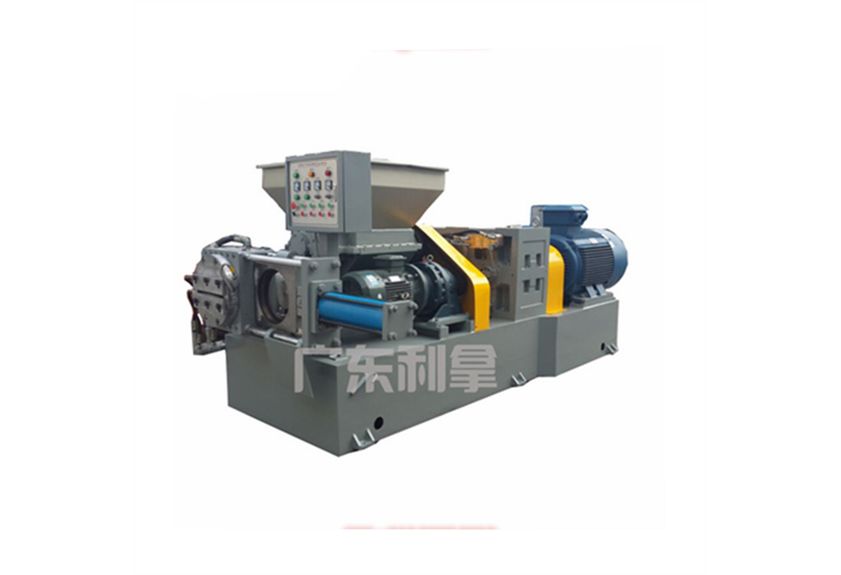
To address this issue, rubber extruders incorporate filtering mechanisms. These mechanisms work by trapping and removing impurities from the molten rubber before it reaches the die. There are several types of filters available, each with its own unique design and purpose. Some common types include screen filters, which use a series of perforated metal plates to catch larger particles; mesh filters, which use fine wire mesh to trap smaller particles; and cyclonic filters, which use airflow to separate particles based on size and density.
The effectiveness of these filters depends on several factors, including the size and type of impurity, the flow rate of the molten rubber, and the operating conditions of the extruder. For example, larger particles may be more easily captured by screen filters, while smaller particles may require more advanced filtering techniques like cyclonic filters. Additionally, the consistency of the molten rubber can impact the efficiency of the filtering process, as some impurities may be more likely to adhere to the surface of the rubber than others.
Despite their importance, rubber extruder filters are not without their challenges. One significant issue is the potential for clogging, which can occur when impurities accumulate on the filter surfaces or within the filter housing. This can lead to reduced filter performance and potentially compromise the overall quality of the rubber product. To mitigate this risk, manufacturers often incorporate cleaning systems into their filters, allowing them to be periodically flushed with clean water or other solvents to remove accumulated debris.
Another consideration is the cost of maintaining these filters. While they may seem like a minor expense compared to the overall cost of producing rubber products, investing in effective filtering systems can significantly reduce downtime and maintenance costs over time. By ensuring that the molten rubber is free of impurities, manufacturers can improve product consistency, reduce waste, and ultimately increase profitability.
In conclusion, rubber extruder filters are an integral part of the production process that ensures the quality of the final product. By understanding their design and function, manufacturers can optimize their filtering systems for maximum efficiency and minimize the risk of contamination. As the demand for high-quality rubber products continues to grow, investing in reliable filtering technology will remain a critical factor in achieving success in the industry.