



The Evolution of Electric Sulfurizing Machinery
The electric sulfurizing machine is a crucial tool in the chemical industry, particularly in the production of fertilizers and other organic compounds. This machine uses electricity to heat and react materials, producing sulfur as a byproduct. Over the years, the design and efficiency of these machines have undergone significant improvements, making them more efficient and cost-effective.
One of the key features of an electric sulfurizing machine is its ability to handle a wide range of materials. These machines are capable of processing a variety of raw materials, including coal, petroleum coke, and other industrial waste. This flexibility allows for the production of a wide range of products, from simple fertilizers to complex organic compounds.
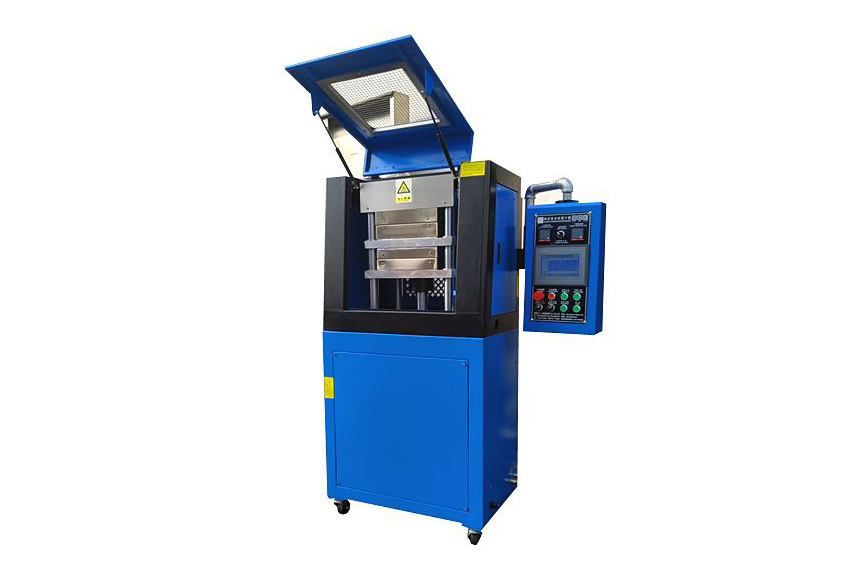
Another important aspect of electric sulfurizing machines is their energy efficiency. Unlike traditional steam-powered machines, electric sulfurizing machines use electricity to drive the process, which can significantly reduce energy consumption. This not only saves money on operating costs but also reduces environmental impact by reducing greenhouse gas emissions.
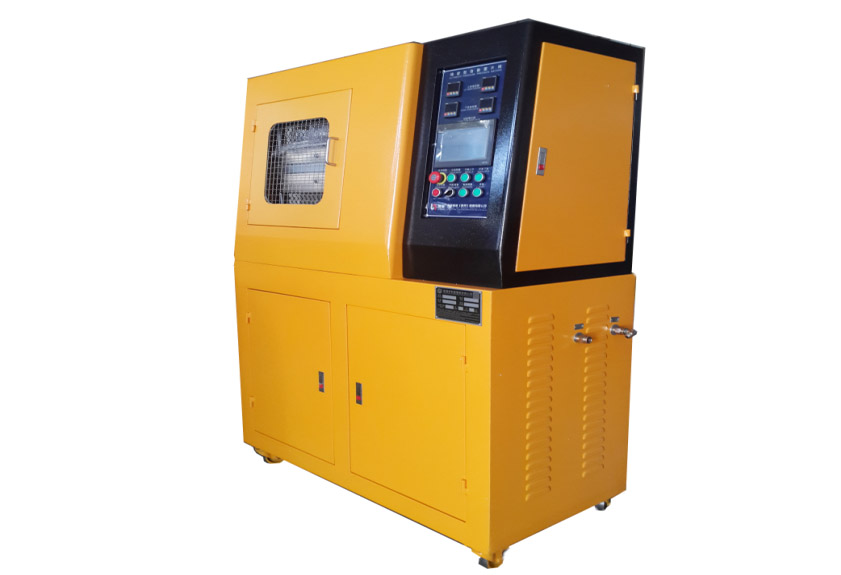
In addition to their technical advantages, electric sulfurizing machines also offer safety benefits. Compared to traditional steam-powered machines, electric sulfurizing machines are much safer to operate. They do not produce harmful fumes or sparks, making them ideal for high-risk environments such as chemical plants or power plants.
Overall, the electric sulfurizing machine has become an essential tool in the chemical industry, providing reliable and efficient processing capabilities for a wide range of materials. As technology continues to advance, we can expect even greater improvements in this field, leading to even greater efficiency and cost savings for businesses across the globe.