
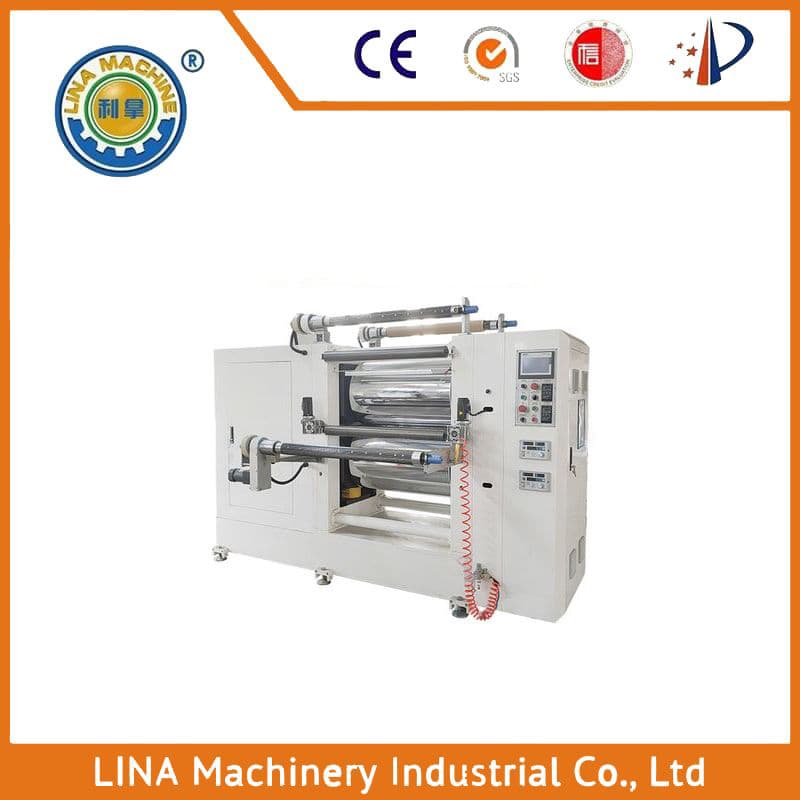
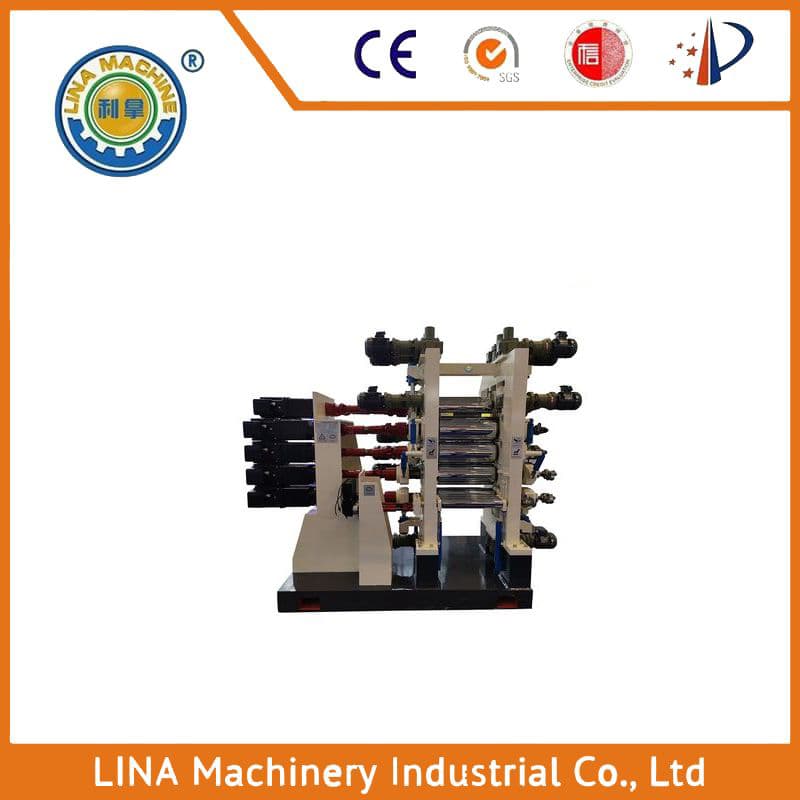
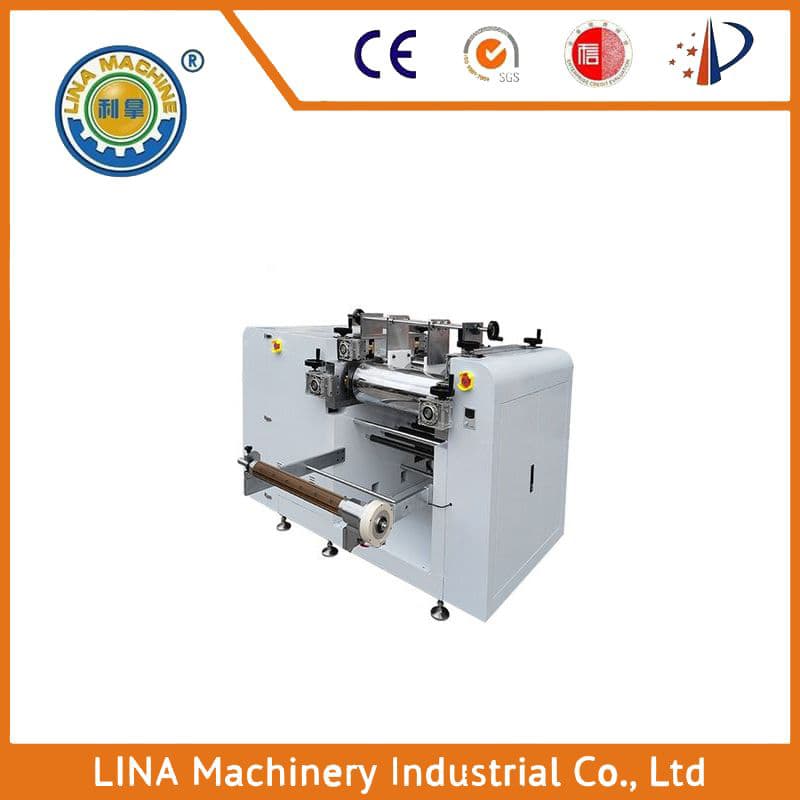
The Ultimate Guide to High-Speed Mixers
In the world of industrial processes, mixing is a critical step that ensures uniformity and quality in many products. High-speed mixers are an essential tool for achieving this goal with precision and efficiency. In this article, we will delve into the features, benefits, and applications of high-speed mixers, providing you with the knowledge you need to make informed decisions when selecting or using these machines.
Firstly, let's define what a high-speed mixer is. A high-speed mixer is a machine designed to rapidly and thoroughly blend ingredients at high speeds, typically between 10,000 to 30,000 RPM. These mixers come in various sizes and configurations, catering to different industries and applications.
One of the most significant advantages of high-speed mixers is their ability to achieve uniform mixing within seconds. This means that complex mixtures can be processed quickly and efficiently, reducing downtime and improving productivity. Additionally, high-speed mixers are often equipped with advanced technology such as temperature control, variable speed settings, and automated feeding systems, making them highly versatile and adaptable to different types of materials and processes.
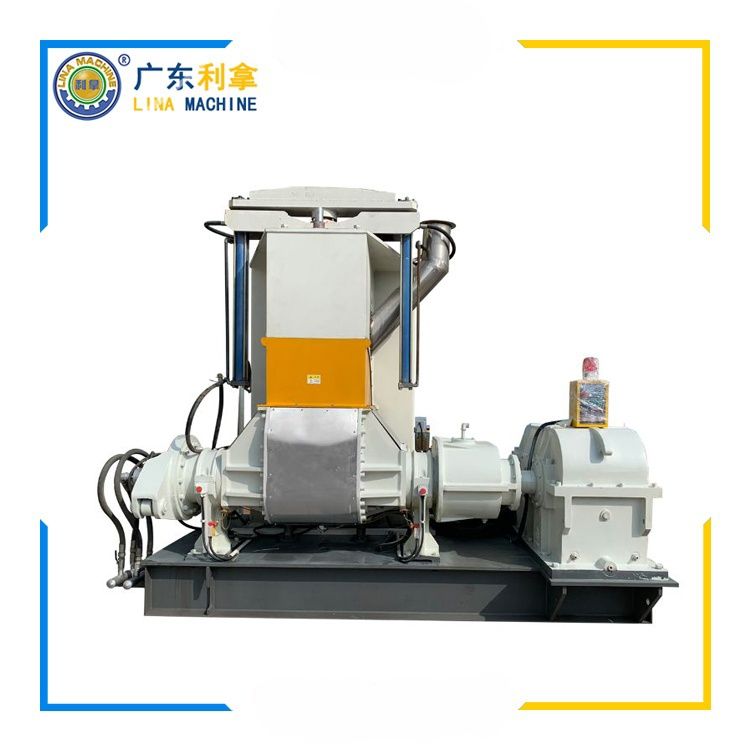
When it comes to choosing a high-speed mixer, there are several factors to consider. Firstly, the size of the mixer should match the volume and complexity of your material. Secondly, the type of motor used should be chosen based on your specific application requirements, such as power output, speed, and durability. Thirdly, the design of the mixer should be optimized for ease of use and maintenance, ensuring long-term reliability and efficiency.
In addition to their practical benefits, high-speed mixers also have a significant impact on the environment. By reducing the time required for mixing, they help minimize energy consumption and emissions, contributing to sustainable industrial practices. Furthermore, modern high-speed mixers are often designed with energy-efficient components and technologies, further reducing their environmental footprint.
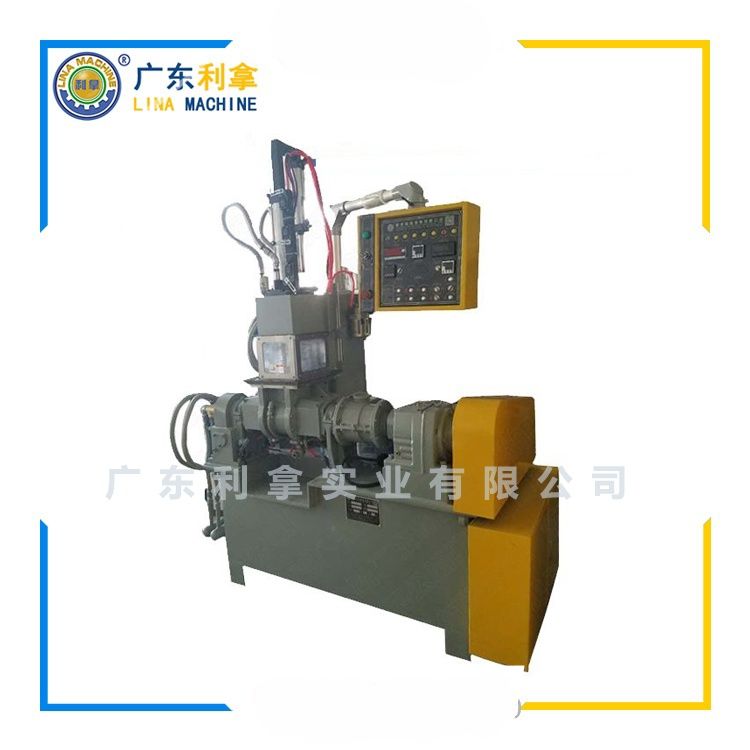
Finally, let's explore some common applications of high-speed mixers. These include food processing, pharmaceutical manufacturing, cosmetics production, and more. For example, in the food industry, high-speed mixers are used to ensure consistent texture and flavor in baked goods, frozen meals, and other processed foods. In pharmaceuticals, they are crucial for preparing vaccines, injectable drugs, and other medical products. In cosmetics, they are used to create creams, lotions, and other skincare products with precise ingredient ratios.
In conclusion, high-speed mixers are a powerful tool for achieving uniform mixing in various industries. With their ability to process materials quickly and efficiently, their advanced technology, and their wide range of applications, they are essential for any organization looking to improve its production processes and reduce waste. By understanding the features and benefits of high-speed mixers, you can make informed decisions about investing in this valuable equipment.