
The Role of Plasticizers in Plastic Extrusion Processes
Plasticizers play a crucial role in the plastic extrusion process, as they help to improve the flowability and flexibility of polymers. In this article, we will explore the different types of plasticizers used in extrusion, their applications, and the impact they have on the final product quality.
Firstly, we need to understand what plasticizers are. Plasticizers are substances that can be added to polymers to increase their flexibility and reduce their brittleness. They work by dissolving into the polymer matrix, creating a more fluid state that allows for easier processing and molding.
There are two main types of plasticizers used in extrusion: organic plasticizers and inorganic plasticizers. Organic plasticizers include paraffins, fatty acids, and esters, while inorganic plasticizers include salts and metal soaps. Each type has its own unique properties and benefits, which are important to consider when selecting the right plasticizer for your specific application.
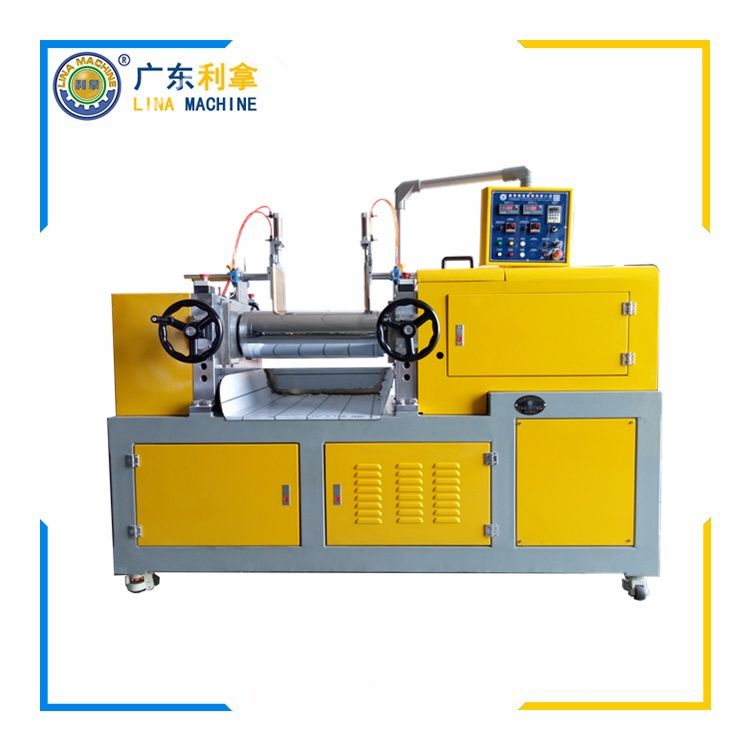
In the extrusion process, plasticizers are added to the polymer melt before it is forced through the die. This helps to create a more uniform and consistent flow rate throughout the mold, resulting in a better-quality finished product. Additionally, plasticizers can also help to prevent premature crystallization during cooling, which can cause defects such as cracks or warps in the final product.
When selecting a plasticizer for an extrusion process, it is important to consider factors such as the polymer type, temperature range, and desired physical properties of the final product. For example, if you are working with a thermoplastic polymer that requires high flexibility and low brittleness, then an organic plasticizer such as a fatty acid or ester may be more appropriate. Conversely, if you are working with a thermoset polymer that requires good adhesion and strength, then an inorganic plasticizer such as a salt or metal soap may be more suitable.
In conclusion, plasticizers play a critical role in the plastic extrusion process by improving the flowability and flexibility of polymers. By understanding the different types of plasticizers available and considering their applications and benefits, you can ensure that your extrusion process produces the highest quality products possible.