



The Art of Particle Formation in Ceramic Powder Making Machines
Ceramic powder making machines play a crucial role in the production of ceramic materials. These machines are designed to process raw materials into fine, uniformly sized ceramic powders that can be used for various applications such as building, electronics, and automotive industries. In this article, we will explore the different types of ceramic powder making machines available in the market and their unique features.
One of the most common types of ceramic powder making machines is the ball mill. This machine uses grinding media to break down the raw materials into smaller particles. The size of the particles produced by the ball mill depends on the rotational speed and the size of the grinding media. Ball mills are commonly used in the production of ceramic pigments and coatings.
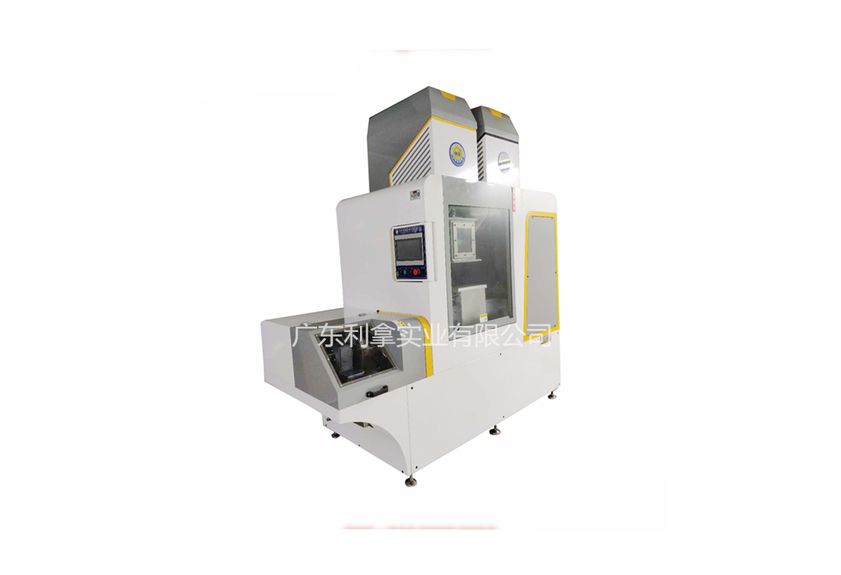
Another popular type of ceramic powder making machine is the roller compactor. This machine uses rollers to compress the raw materials into a more compact form. The resulting powder is then screened to remove any larger particles. Roller compactors are commonly used in the production of ceramic tiles and bricks.
The third type of ceramic powder making machine is the fluidized bed atomizer. This machine uses air or other gases to atomize the raw materials into small particles. The resulting powder is then collected and dried before being packaged for sale. Fluidized bed atomizers are commonly used in the production of ceramic fibers and coatings.
In addition to these three main types of ceramic powder making machines, there are also specialized machines designed for specific applications. For example, a vibratory screener is used to separate the finer particles from the larger ones in the powder. A rotary drum dryer is used to dry the powder after it has been formed.
When choosing a ceramic powder making machine, it is important to consider factors such as the desired particle size, the amount of material to be processed, and the cost of the equipment. Some machines may require additional equipment such as a cooling system or a drying chamber to ensure the final product meets quality standards.
In conclusion, ceramic powder making machines play a vital role in the production of ceramic materials. By understanding the different types of machines available and their unique features, manufacturers can choose the right equipment to meet their specific needs. Whether you are looking to produce ceramic pigments, tiles, or fibers, there is a machine out there that can help you achieve your goals.