
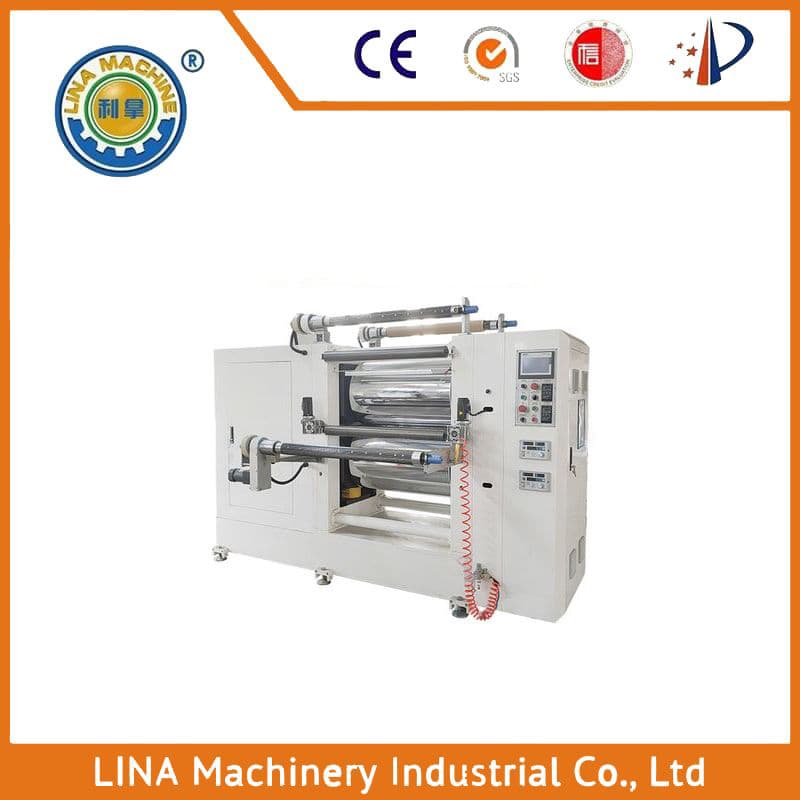
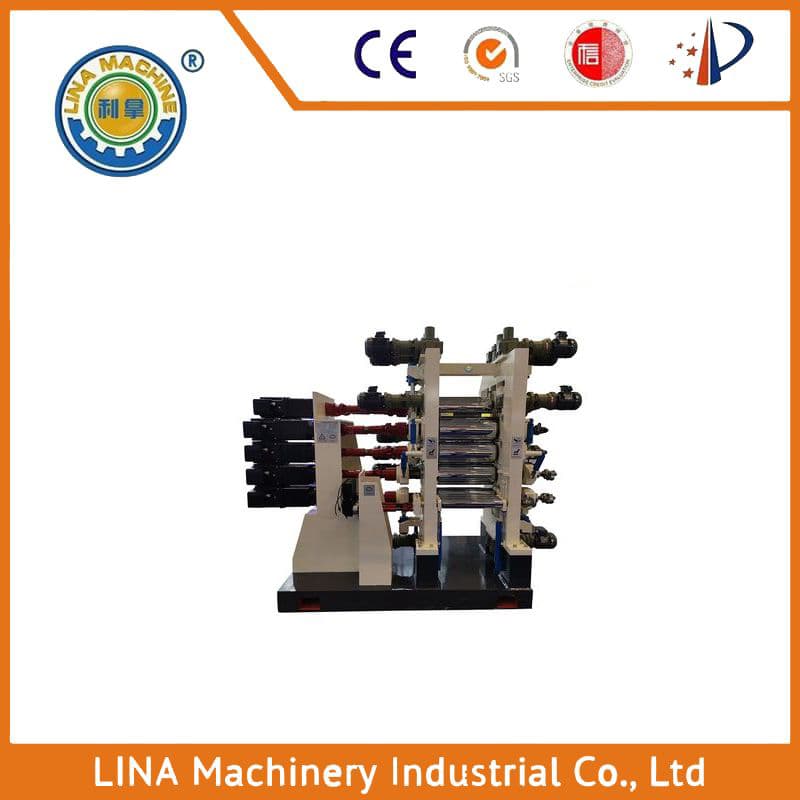
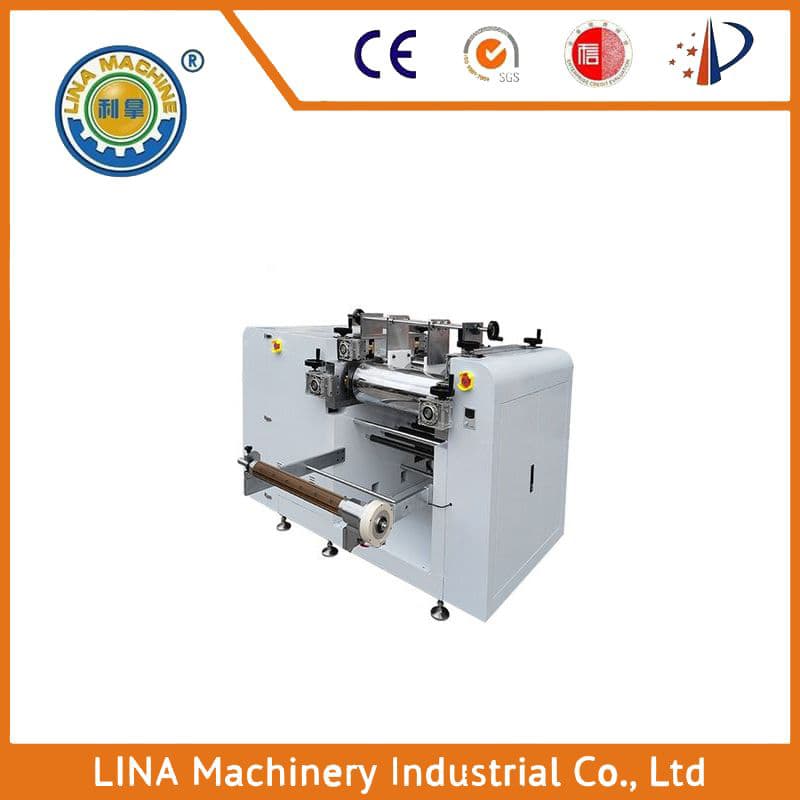
The Role of the Mixing Machine in the Manufacturing Industry
The manufacturing industry is a complex and dynamic sector that relies heavily on the use of various machinery to produce high-quality products. One such machine that plays a crucial role in this industry is the mixing machine. This versatile piece of equipment is designed to mix, knead, and blend different materials together to create uniform mixtures. In this article, we will explore the importance of mixing machines in the manufacturing industry and how they have revolutionized the way products are produced.
Firstly, mixing machines are essential for creating homogeneous mixtures. In many industries, including food processing, pharmaceuticals, and chemical engineering, it is necessary to ensure that all ingredients are mixed thoroughly without any impurities or defects. Mixing machines can handle a wide range of materials, including liquids, solids, and gases, and can be customized to meet specific requirements. This makes them ideal for producing products with consistent quality and consistency.
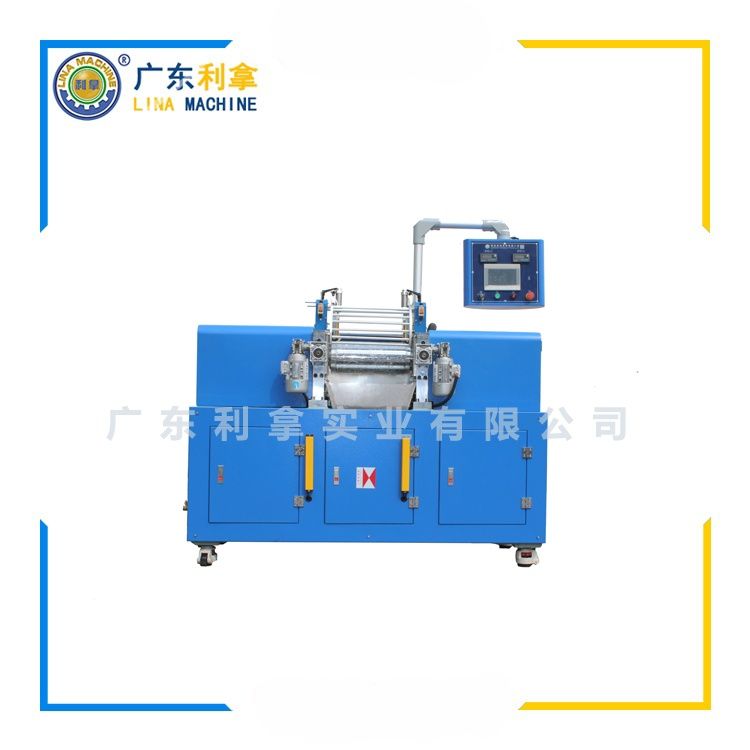
Secondly, mixing machines are highly efficient and cost-effective. Compared to other manual labor methods, mixing machines can produce large quantities of product quickly and efficiently. This reduces labor costs and time spent on manual labor, allowing manufacturers to focus on other aspects of their operations. Additionally, mixing machines are often more reliable than manual methods, reducing downtime and maintenance costs.
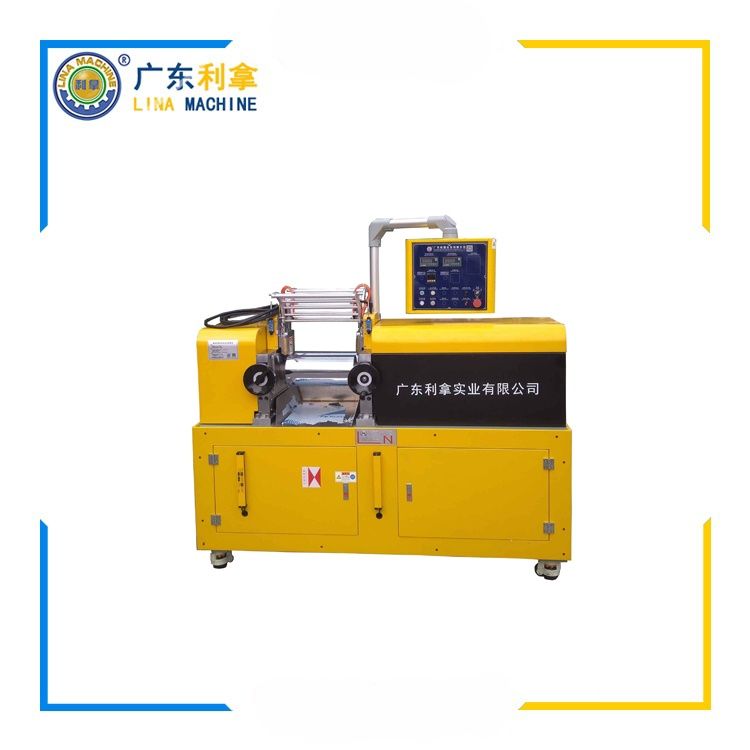
Thirdly, mixing machines have become increasingly sophisticated over the years, with new models incorporating advanced technology such as automation, sensors, and control systems. These advancements have made mixing machines more accurate, precise, and user-friendly. For example, some modern mixing machines can now be controlled remotely using mobile devices, making it easier for operators to monitor and adjust the process as needed.
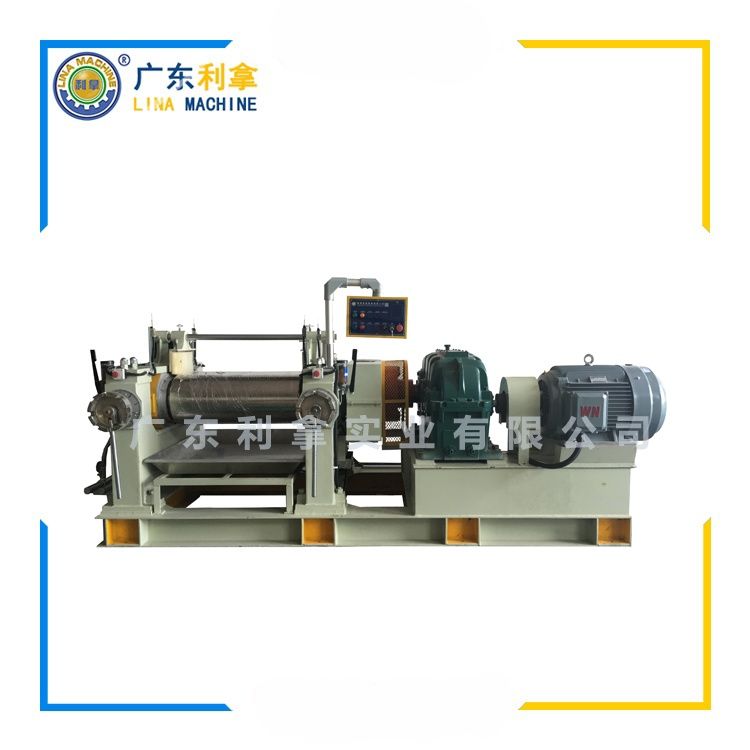
Finally, mixing machines have a significant impact on the environment. By reducing the need for manual labor and increasing efficiency, they help to reduce waste and emissions from production processes. Additionally, many modern mixing machines are designed to be energy-efficient, using less electricity and water compared to traditional methods.
In conclusion, mixing machines play an essential role in the manufacturing industry by providing a reliable and efficient way to produce homogeneous mixtures. With advancements in technology and design, these machines continue to evolve, making them even more valuable to manufacturers around the world.