
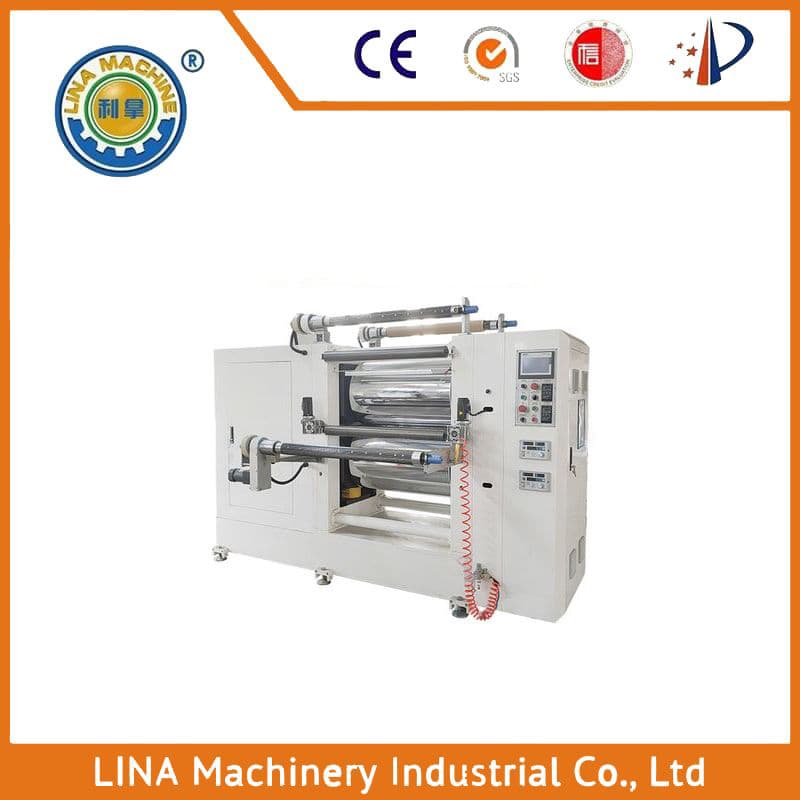
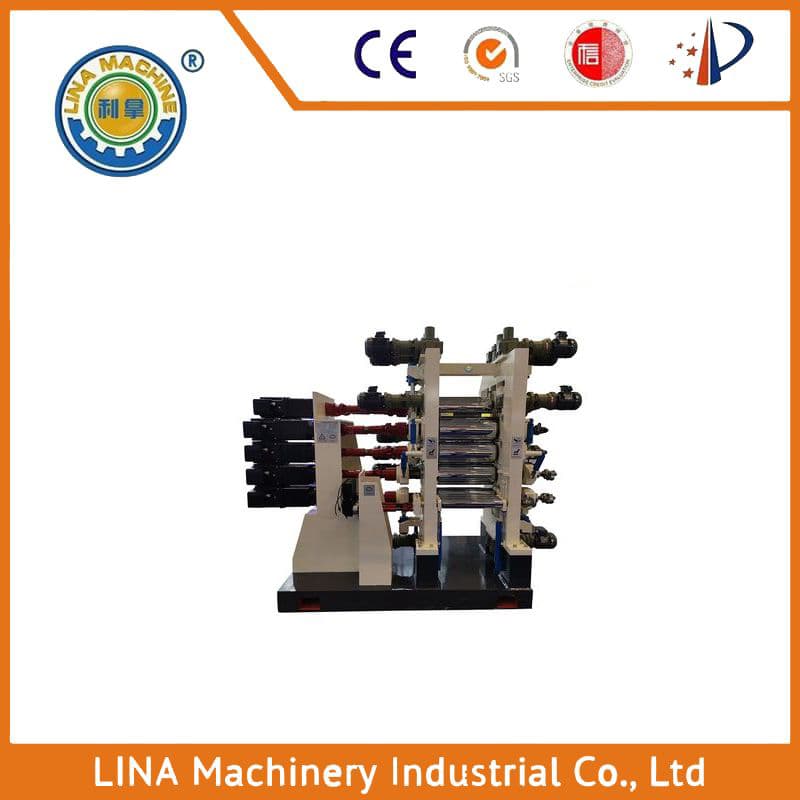
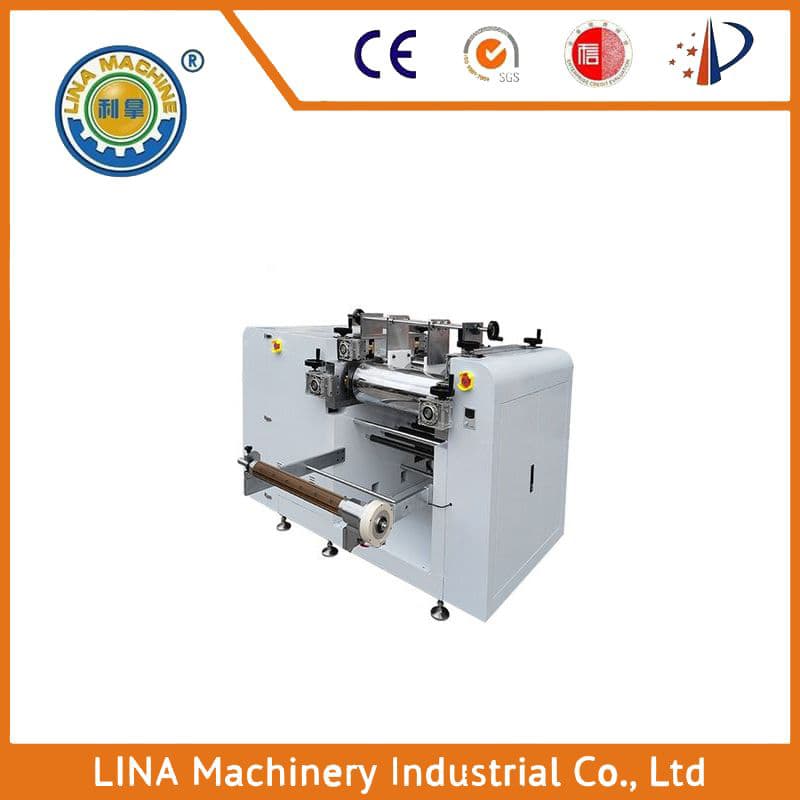
The Art of Rubber Processing: An Overview of the Rubber Extruder
The rubber processing industry is a vital sector in the manufacturing world, with the use of rubber extruders being a key component in the production process. These machines are designed to convert raw materials into high-quality rubber products, making them essential for various applications such as automotive, construction, and electronics. In this article, we will explore the basic principles of rubber processing, the types of rubber extruders available, their functions, and how they contribute to the overall efficiency of the rubber production process.
Rubber processing involves several stages, including mixing, vulcanization, and shaping. During the mixing stage, the raw materials are mixed together to form a homogeneous mixture. This mixture is then fed into the vulcanization stage, where it undergoes chemical changes that impart strength and flexibility to the final product. Finally, the shaped product is cooled and packaged for distribution or use.
The rubber extruder plays a crucial role in these stages by providing a consistent flow of material through the system. It consists of a motorized screw that rotates at high speeds to mix and knead the raw materials. The resulting mixture is then forced through a die, which defines the shape of the final product. The extruder's design and configuration determine its ability to handle different types of rubber and produce consistent quality output.
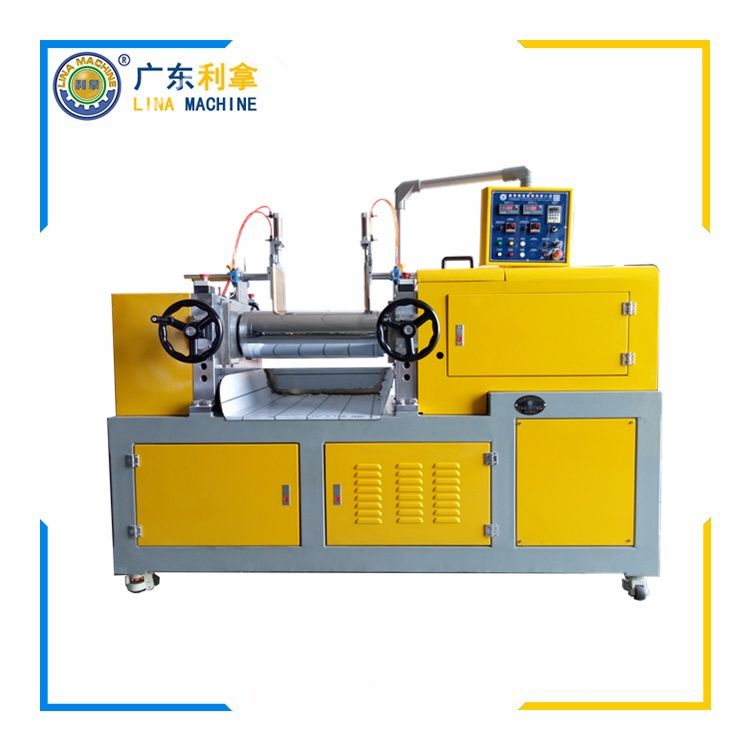
There are several types of rubber extruders available in the market, each with its unique features and capabilities. Some of the most common types include:
1. Cone-and-die extruders: These extruders have a conical die at the end of the screw, which forces the material through the die and forms the desired shape. They are commonly used for producing sheets, films, and profiles.
2. Rod-and-die extruders: These extruders have a rod-shaped die at the end of the screw, which allows for more complex shapes to be produced. They are suitable for applications requiring intricate molding techniques.
3. Compounding extruders: These extruders are designed to mix multiple raw materials together in one go, allowing for easy control over the final product's properties. They are ideal for small batch production or research and development projects.
4. Batch extruders: These extruders are suitable for large-scale production, with the ability to handle large volumes of material at once. They are commonly used in industrial settings where high throughput is required.
In conclusion, rubber processing is an essential part of the manufacturing industry, and the rubber extruder plays a critical role in ensuring consistent quality output. By understanding the basic principles of rubber processing and the different types of rubber extruders available, manufacturers can optimize their production processes and meet the demands of their customers.