
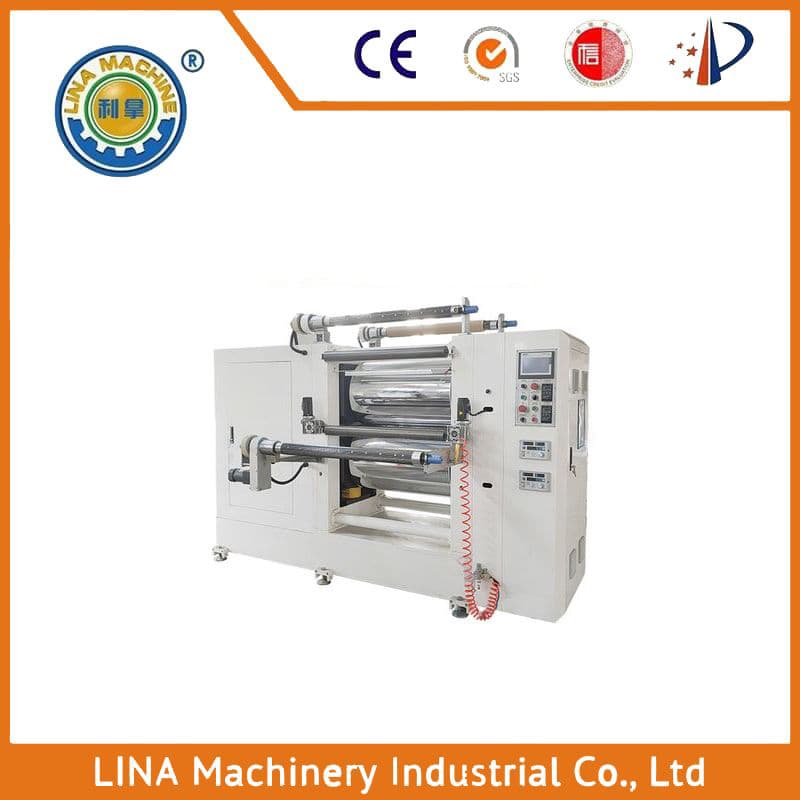
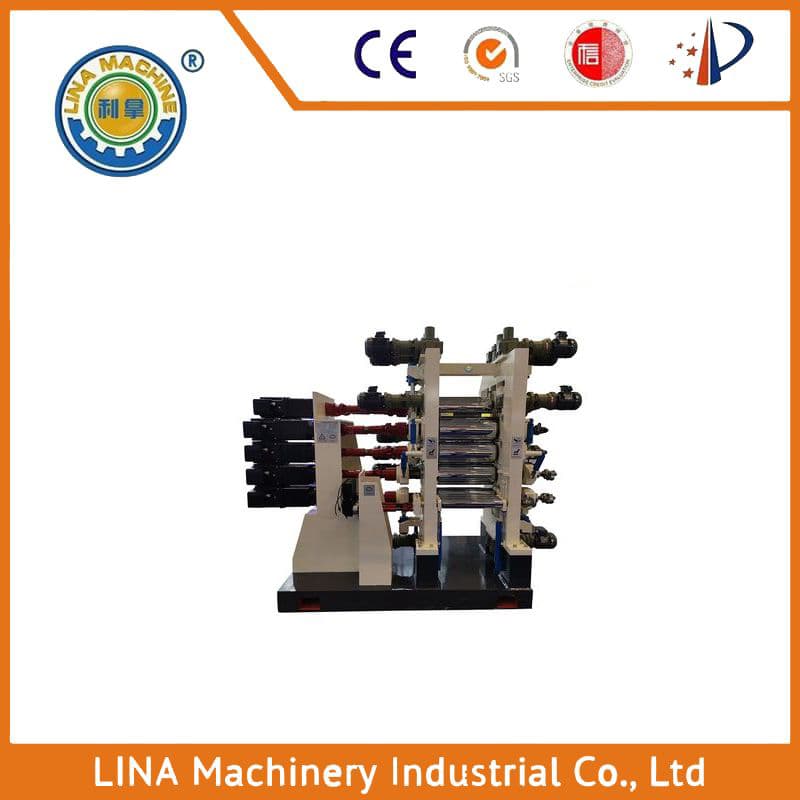
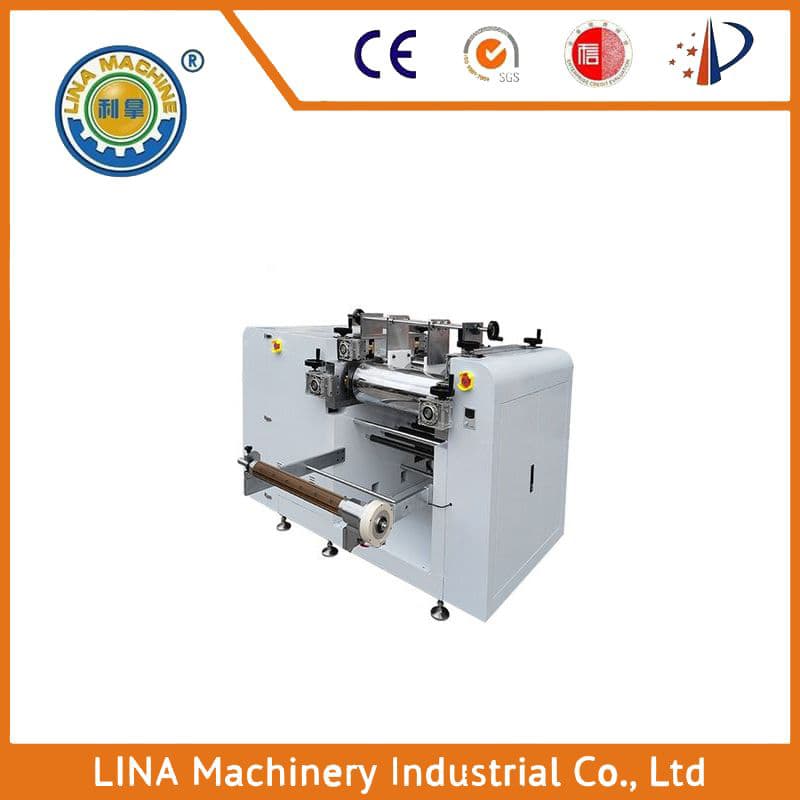
The Art of Mixing: A Detailed Explanation of the Mixing Machine
Mixing machines are essential tools in the manufacturing industry, particularly in the production of plastics, rubber, and other thermoplastic materials. These machines work by mixing two or more materials together at high temperatures and pressures to create a homogeneous mixture. In this article, we will explore the different types of mixing machines, their applications, and some tips for using them effectively.
Types of Mixing Machines:
1. Rotary Kiln: This is the most common type of mixing machine used in the plastics industry. It consists of a rotating drum that mixes the material with hot air, which helps to melt the polymers and distribute them evenly throughout the batch.
2. Ball Mill: This machine is used for grinding and mixing powdered materials such as pigments, fillers, and additives. It works by rotating a series of balls inside a cylinder, which crushes and grinds the material into a fine powder.
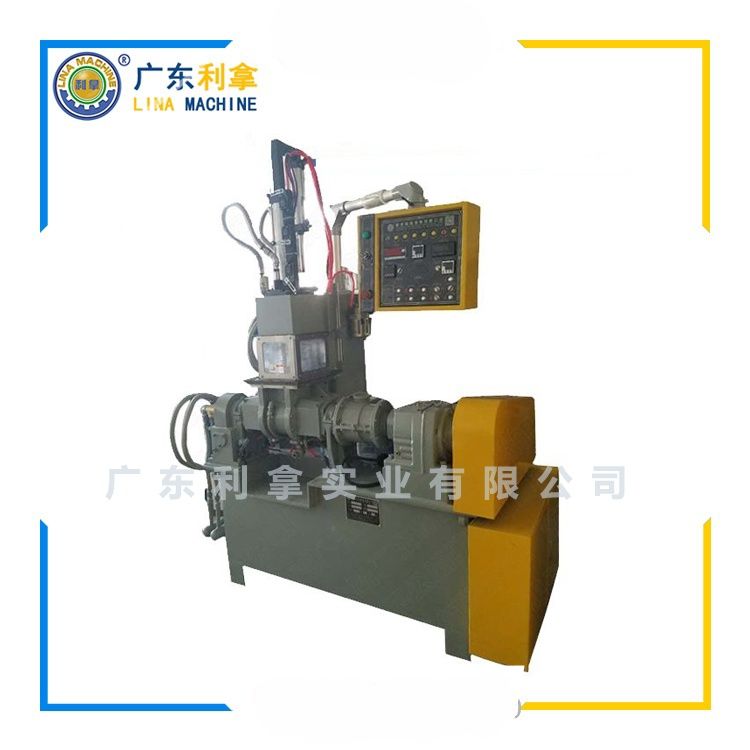
3. Heavy-Duty Mixer: This machine is designed for handling large quantities of materials and is ideal for industrial applications. It can mix multiple components simultaneously and has a powerful motor to ensure consistent mixing.
Applications of Mixing Machines:
1. Plastic Production: Mixing machines are essential in the production of plastic products such as toys, bottles, and packaging materials. They help to ensure that the polymers are mixed evenly and that the final product meets quality standards.
2. Rubber Manufacturing: Mixing machines are used in the production of natural and synthetic rubbers. They help to ensure that the rubber compounds are mixed properly and that the final product meets the required properties.
3. Coatings and Adhesives: Mixing machines are used in the production of coatings and adhesives for various applications such as automotive, electronics, and construction. They help to ensure that the ingredients are mixed correctly and that the final product meets quality standards.
Tips for Using Mixing Machines:
1. Follow the manufacturer's instructions carefully: Each mixing machine has specific operating parameters that need to be followed to ensure optimal performance. It is important to read the manual and follow the recommended procedures.
2. Use the right equipment for the job: Different types of mixing machines are designed for different applications. It is important to choose the right machine for the job to ensure maximum efficiency and safety.
3. Maintain the machine regularly: Regular maintenance and cleaning of the mixing machine can help to extend its lifespan and ensure that it operates efficiently.
In conclusion, mixing machines play an essential role in the manufacturing industry, particularly in the production of plastics, rubber, and other thermoplastic materials. By understanding the different types of mixing machines and their applications, as well as following proper guidelines for using them, manufacturers can produce high-quality products that meet customer expectations.