The Art of Making Particles from Ceramic Powder
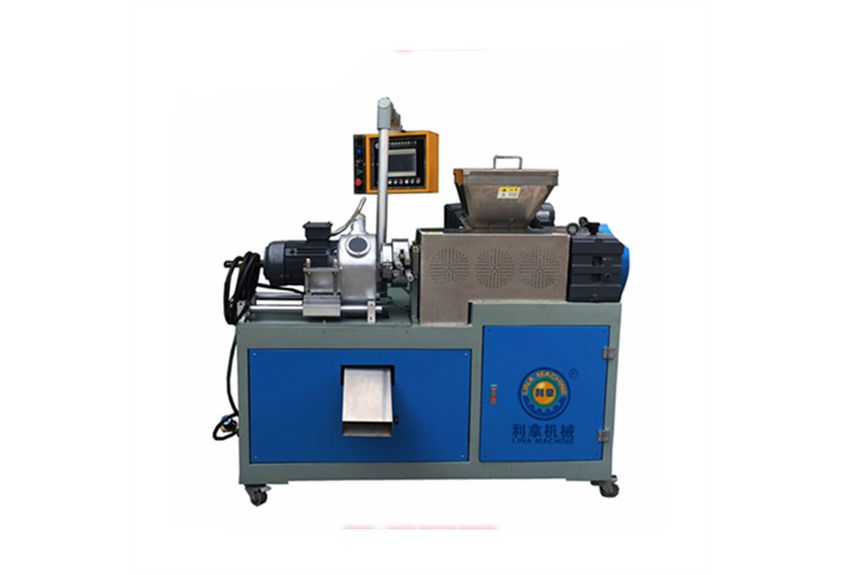
Ceramic powder is a crucial component in the production of various ceramic products, such as tiles, pottery, and other decorative items. To achieve the desired properties of these products, it is essential to properly process the ceramic powder into a uniform and stable particle size. This is where the role of the ceramic powder granulator comes into play.
The ceramic powder granulator is a specialized machine that uses mechanical or gas pressure to break down the ceramic powder into smaller particles. These particles are then collected and processed further to produce the final product. The granulator plays a vital role in ensuring that the ceramic powder is evenly granulated, which leads to better adhesion between the particles and the final product.
There are several types of ceramic powder granulator available in the market, each with its unique features and advantages. Some of the commonly used types include:
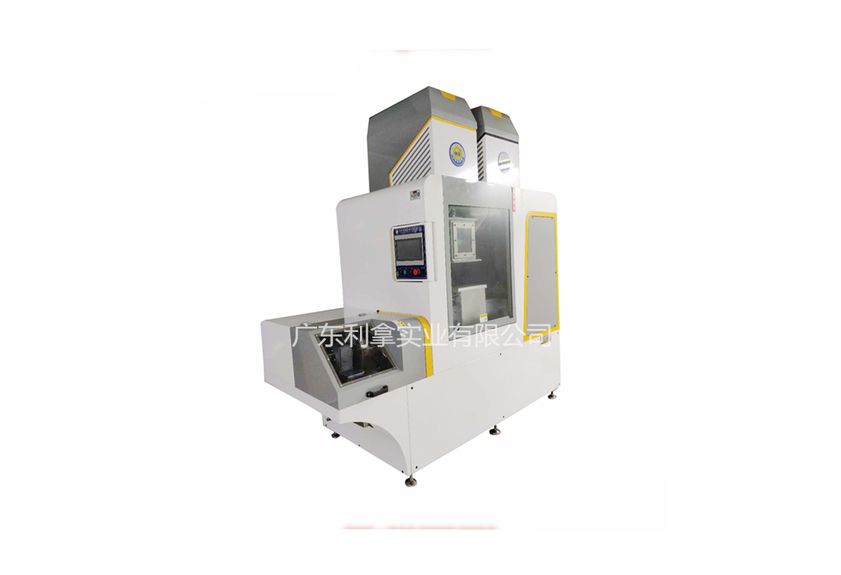
1. Rotary granulator: This type of granulator uses a rotating drum to break down the ceramic powder into smaller particles. The drum rotates at high speeds, causing the particles to collide and adhere together. This results in a uniform and consistent particle size distribution.
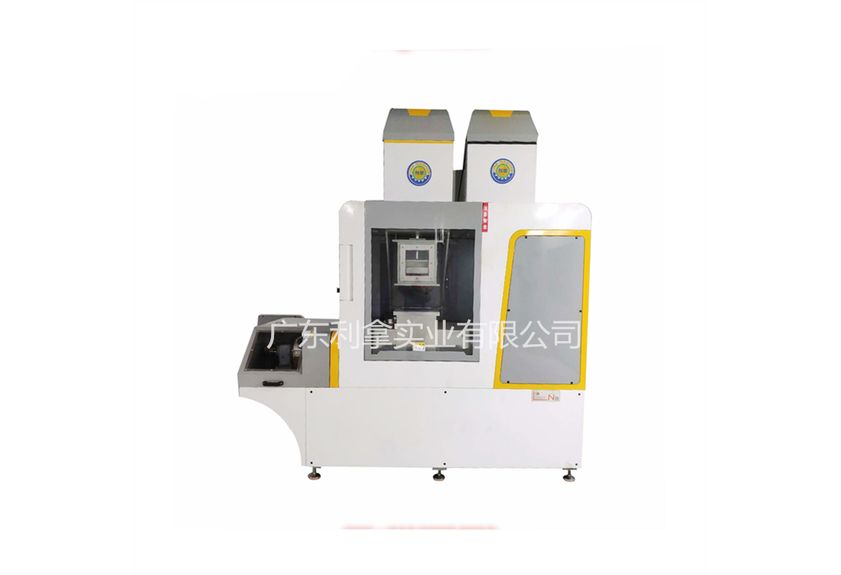
2. Ball mill granulator: This type of granulator uses a rotating ball mill to break down the ceramic powder into smaller particles. The balls roll over each other and crush the powder, resulting in a finer particle size distribution.
3. Gas pressure granulator: This type of granulator uses gas pressure to break down the ceramic powder into smaller particles. The gas pressure is applied to the powder through a nozzle, causing it to be compressed and crushed. This results in a more uniform particle size distribution compared to the other types of granulator.
In conclusion, the ceramic powder granulator is an essential tool for producing ceramic products with consistent particle sizes. It plays a vital role in ensuring that the ceramic powder is evenly granulated, which leads to better adhesion between the particles and the final product. Choosing the right type of granulator based on the specific requirements of your project can significantly impact the quality and performance of your ceramic products.