



Advanced Ultra-Thin, Precision Rolling Machines
In the realm of manufacturing, precision is king. And when it comes to rolling metal sheets into thinner, more uniform products, ultra-thin, high-precision rolling machines are the epitome of precision engineering. These machines are designed to handle materials with a thickness as thin as 0.01mm or even less, and they do so with an unparalleled level of accuracy and efficiency.
At the heart of these machines lies a sophisticated control system that allows for precise adjustments in speed, pressure, and temperature. The rollers themselves are made from high-strength alloys and are precisely machined to ensure consistent contact with the workpiece. This constant contact ensures that the material is rolled down with minimal distortion, resulting in products with superior quality and performance.
One of the key benefits of ultra-thin, high-precision rolling machines is their ability to produce parts with complex geometries. By using advanced software and algorithms, these machines can create intricate patterns and designs that would be impossible to achieve with traditional methods. This not only saves time and resources but also opens up new possibilities for applications in fields such as aerospace, automotive, and electronics.
Another advantage of these machines is their ability to operate at high speeds without sacrificing precision. With cutting-edge technology, these machines can process large volumes of material quickly and efficiently, making them ideal for mass production lines. Additionally, their compact design makes them easy to install and maintain, which further enhances their overall effectiveness and value.
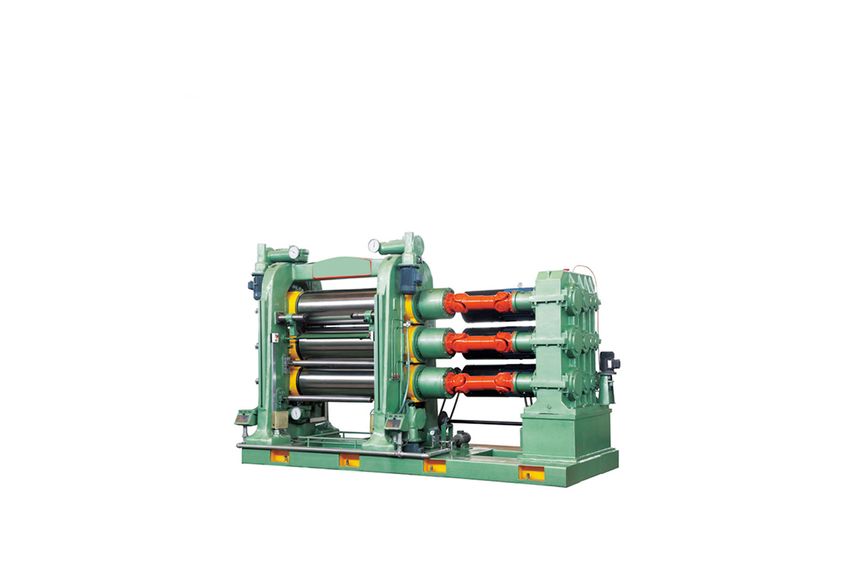
In conclusion, ultra-thin, high-precision rolling machines are a testament to the power of modern engineering. With their ability to produce parts with incredible precision and complexity, they have revolutionized the way we manufacture and design products. As the demand for higher quality, faster production continues to grow, these machines will continue to play a crucial role in shaping the future of manufacturing.