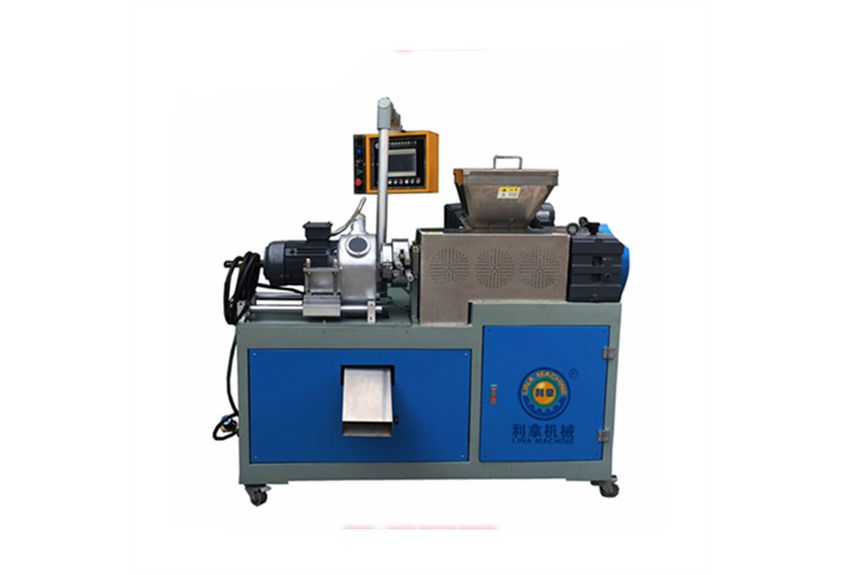
Understanding the Oxygen-Zirconia Compounding and Granulating Integrated Machine
Oxygen-Zirconia (ZrO2) is a ceramic material with excellent mechanical, thermal, and chemical stability. It has found extensive applications in various industries such as electronics, automotive, and aerospace due to its high hardness, wear resistance, and corrosion resistance. The development of oxygen-zirconium compounding and granulating integrated machines has revolutionized the production process of ZrO2 materials, enhancing efficiency and reducing costs. In this article, we will explore the key features and benefits of these advanced manufacturing technologies.
The first step in producing ZrO2 materials is the compounding process. This involves mixing ZrO2 powder with other raw materials such as silicon carbide, aluminum oxide, and boron nitride to form a homogeneous mixture. The compounding process is crucial as it determines the final properties of the ZrO2 material, including its strength, toughness, and thermal conductivity. Advanced compounding techniques like hot isostatic pressing (HIP) can further enhance the density and microstructure of the ZrO2 material, leading to improved performance.
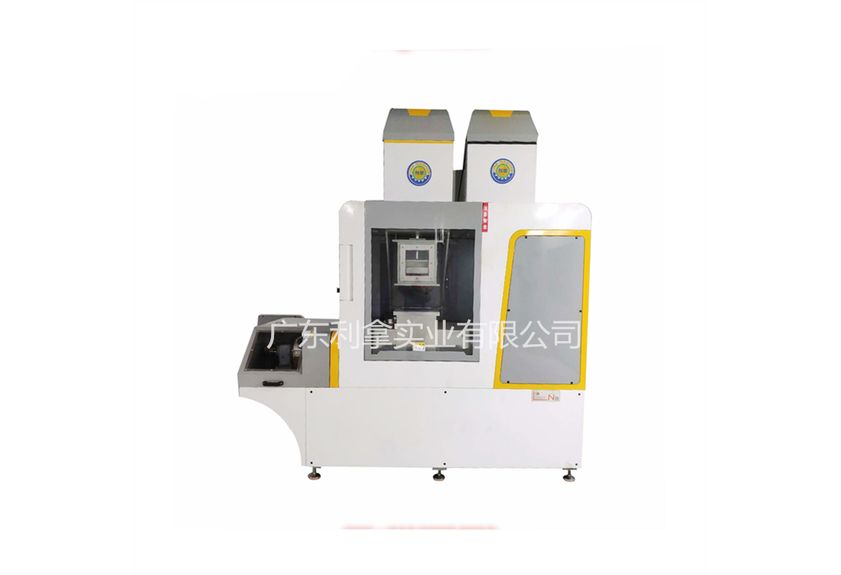
Once the ZrO2 compound is formed, granulation is the next step. This involves shaping the compound into desired shapes using a granulator. The granulator uses a combination of pressure and temperature to compact the material into pellets or rods. The granulation process is critical as it determines the size and shape of the ZrO2 material, which affects its application in specific industries. Advanced granulation techniques like extrusion and injection molding can produce ZrO2 materials with precise dimensions and complex geometries.
The oxygen-zirconium compounding and granulating integrated machine combines both compounding and granulation processes in a single unit. This allows for efficient and cost-effective production of ZrO2 materials, reducing downtime and labor costs. The integrated machine also offers flexibility in terms of processing speed and output, enabling manufacturers to meet changing market demands.
In conclusion, the oxygen-zirconium compounding and granulating integrated machine represents a significant advancement in the production of ZrO2 materials. By combining compounding and granulation processes in a single unit, it enhances efficiency, reduces costs, and enables customized production of ZrO2 materials for various applications. As technology continues to evolve, we can expect even more innovative solutions to emerge, further revolutionizing the production of ZrO2 materials.