



The Laboratory Kneading Machine: A Critical Component in Chemical Research
The laboratory kneading machine is a critical component in the chemical industry, providing a controlled environment for the mixing and kneading of materials. It is essential for researchers to understand how this machine works and its benefits in various applications.
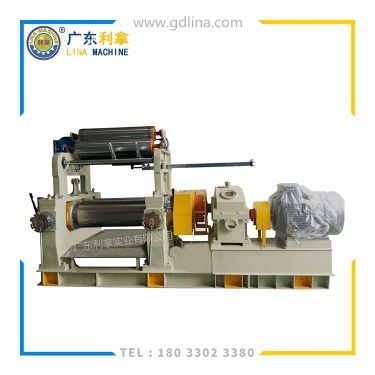
The kneading machine consists of a motor that drives a rotating shaft, which in turn rotates a pair of rollers. These rollers are mounted on a frame that can be adjusted to accommodate different sizes and shapes of samples. The rollers are typically made of stainless steel or other durable materials to withstand high temperatures and corrosive chemicals.
When the rollers start moving, they transfer heat and pressure to the material being kneaded. This process helps to break down any impurities or crystalline structures, resulting in a more uniform and homogeneous mixture. The kneading machine also allows for precise control over the temperature and pressure applied during the mixing process, which is crucial for achieving optimal results.
One of the key advantages of using a kneading machine is its ability to handle a wide range of materials. From polymers to metals, the machine can be customized to suit specific needs. Additionally, it is often used in conjunction with other equipment such as extruders and mixers, allowing for a more comprehensive approach to chemical synthesis.
In conclusion, the laboratory kneading machine is an essential tool for researchers in the chemical industry. Its ability to control the mixing process and produce uniform samples makes it a valuable asset in the pursuit of scientific discovery. By understanding how this machine works and its benefits, researchers can optimize their experiments and achieve better results.