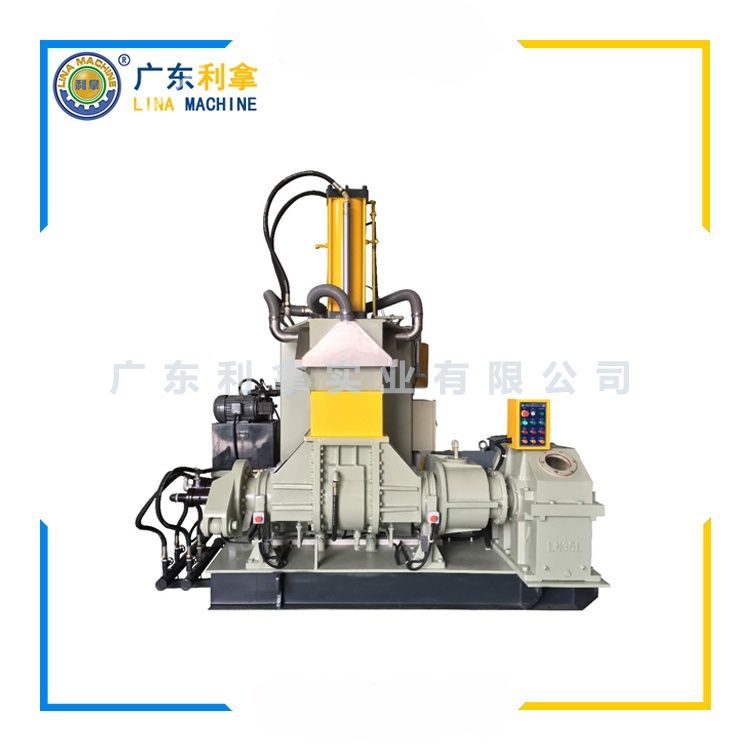
The Art of the Pelletizer
The pelletizer is a crucial piece of equipment in the food industry, particularly in the production of animal feed. It's an essential tool that converts raw materials into nutrient-dense pellets, which are then used as a supplement to livestock and poultry feed. This process involves heating, mixing, and compacting the ingredients, resulting in a product that provides animals with essential vitamins and minerals.
One of the key features of a pelletizer is its ability to handle a wide range of materials, including grains, legumes, and other byproducts from the food processing industry. The machine uses a series of rollers and blades to break down the material and create a uniform texture throughout the pellet. This ensures that the finished product is consistent in size and shape, making it easier for animals to consume and ensuring that they receive the necessary nutrients.
Another important aspect of a pelletizer is its efficiency. The machine is designed to operate at high speeds, reducing downtime and increasing productivity. This is achieved through advanced technology and precise control systems, allowing operators to monitor and adjust the process as needed. Additionally, the pelletizer's design optimizes heat transfer, minimizing energy consumption while still achieving optimal results.
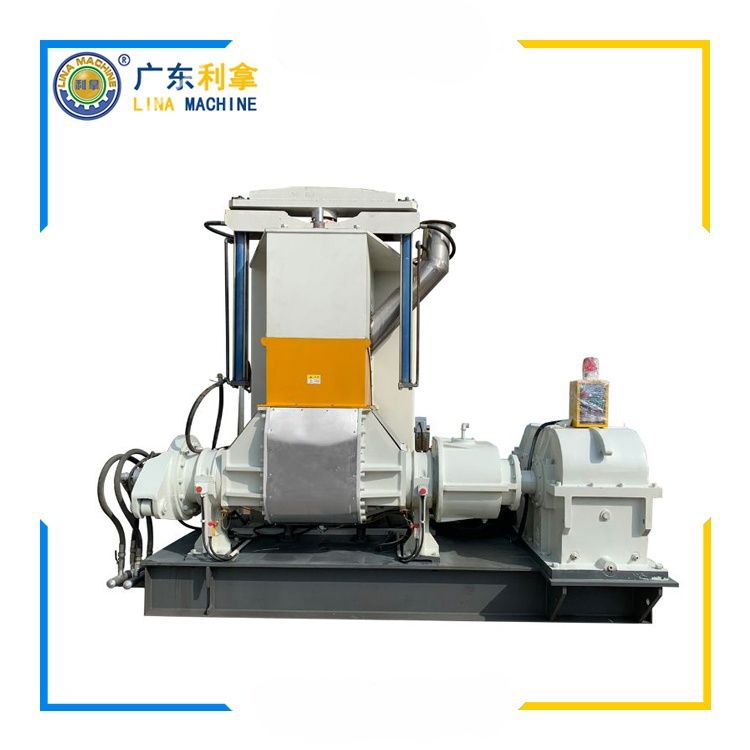
In terms of safety, the pelletizer is equipped with various safety features, such as automatic shutoff mechanisms and overheating protection. These measures help prevent accidents and ensure that the equipment operates safely and efficiently. Operators must also follow proper procedures and guidelines when using the machine, including wearing appropriate protective gear and following maintenance schedules.
In conclusion, the pelletizer is a versatile and efficient tool that plays a critical role in the food industry. Its ability to handle a wide range of materials and produce consistent products makes it an essential piece of equipment for any feed manufacturer. By leveraging advanced technology and following best practices, operators can maximize the benefits of this valuable tool and ensure that their animals receive the nourishment they need.