



The Development of Hydrogen Fuel Cell Bipolar Plate Rolling Line
The hydrogen fuel cell technology has been rapidly advancing in recent years, and the bipolar plate is a crucial component in the production process. In this article, we will introduce the development of the hydrogen fuel cell bipolar plate rolling line.
The bipolar plate is made up of two sheets of metal, which are pressed together to form a single sheet. The pressing process is carried out on a rolling line, which is an important part of the production line. The bipolar plate rolling line is designed to meet the needs of the hydrogen fuel cell industry, with high precision and efficiency.
The bipolar plate rolling line consists of several key components, including the press, rollers, and control system. The press is responsible for applying pressure to the bipolar plates during the pressing process. The rollers are used to guide the bipolar plates through the rolling line and ensure that they are evenly pressed. The control system is responsible for monitoring the pressing process and adjusting the parameters accordingly.
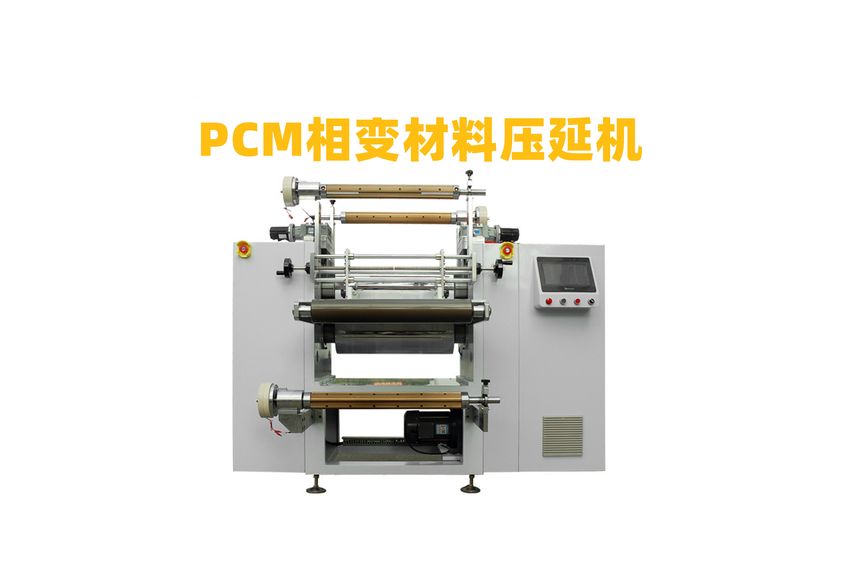
The development of the bipolar plate rolling line has been driven by the increasing demand for hydrogen fuel cells in various industries. As more companies enter the market, there is a need for high-quality bipolar plates to meet their requirements. The bipolar plate rolling line has played a significant role in meeting this demand, providing efficient and precise production capabilities.
In addition to its technical advantages, the bipolar plate rolling line also has economic benefits. By reducing labor costs and improving production efficiency, the line can help companies save money and increase their profitability. Moreover, the use of advanced materials and manufacturing technologies in the line can further enhance its performance and reduce maintenance costs.
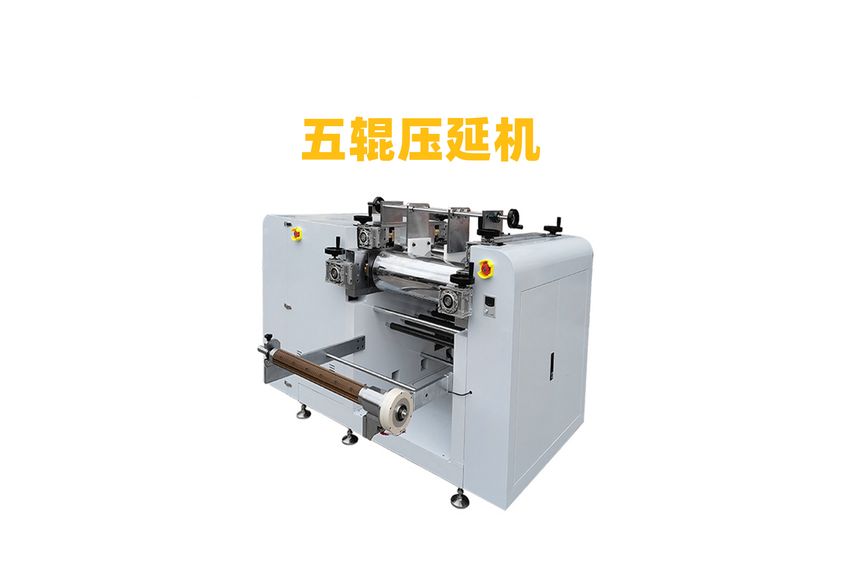
Overall, the development of the hydrogen fuel cell bipolar plate rolling line has had a significant impact on the industry. With its high precision and efficiency, it has become an essential tool for producing high-quality bipolar plates, which are vital for the growth of the hydrogen fuel cell industry.