



Title: The Art of Thin Film Ro...
Title: The Art of Thin Film Rolling: A Comprehensive Guide to Thin Film Rolling Machines
In the realm of advanced manufacturing, thin film rolling machines stand as a testament to precision and efficiency. These sophisticated tools are designed to process materials with exceptional thinness, enabling the creation of high-performance electronics, optical devices, and other cutting-edge products. In this article, we delve into the intricacies of thin film rolling machines, their applications, and the techniques used to manufacture them.
At the heart of thin film rolling machines lies the concept of thin film deposition. This process involves depositing thin films onto a substrate using a variety of techniques, including chemical vapor deposition (CVD), physical vapor deposition (PVD), and ion beam sputtering. Each technique has its unique advantages and limitations, but all rely on precise control of the deposition parameters to achieve optimal results.
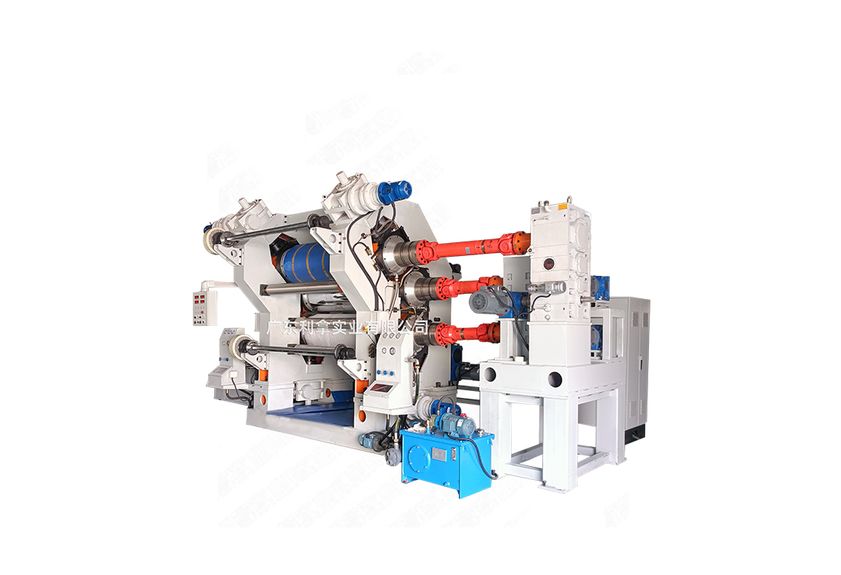
One of the key benefits of thin film rolling machines is their ability to produce films with high uniformity and low defect rates. This is achieved through the use of advanced monitoring systems that continuously monitor the deposition process and adjust parameters accordingly. Additionally, thin film rolling machines are equipped with state-of-the-art sensors and actuators that enable precise positioning and alignment, ensuring consistent film quality across the entire production line.
The application of thin film rolling machines is vast and varied, spanning from consumer electronics to industrial equipment. In the field of electronics, thin film rolling machines are used to produce semiconductor wafers, which are essential components for the development of modern electronics. These machines can also be used to create flexible displays, solar cells, and other innovative devices.
In the automotive industry, thin film rolling machines play a critical role in the production of lightweight yet durable materials. For example, these machines are used to produce aluminum alloys and other high-strength materials that are essential for the construction of vehicles and other transportation equipment.
Beyond their practical applications, thin film rolling machines also hold significant scientific value. By studying the properties of thin films produced through these machines, researchers can gain insights into the behavior of materials under extreme conditions and develop new materials with even greater performance.
As we continue to push the boundaries of technology, the importance of thin film rolling machines cannot be overstated. These machines are not only essential for producing high-quality films but also serve as a testament to the ingenuity and creativity of engineers around the world. As we look towards the future, we can expect to see even more advancements in thin film technology, driven by the ever-growing demand for innovative solutions in a rapidly changing world.
1. Thin Film Rolling Machines
2. Advanced Manufacturing
3. Precision Control
4. Deposition Techniques
5. Applications in Electronics and Automotive Industry
This comprehensive guide to thin film rolling machines provides readers with an in-depth understanding of the technology behind these sophisticated tools. From the basic principles of thin film deposition to the latest advancements in monitoring systems and sensors, our article covers every aspect of thin film rolling machines. We explore their applications in various industries, highlighting their impact on both technological progress and economic growth. With our detailed analysis and practical tips, this article is sure to inspire readers to embrace the power of thin film technology in their own work.