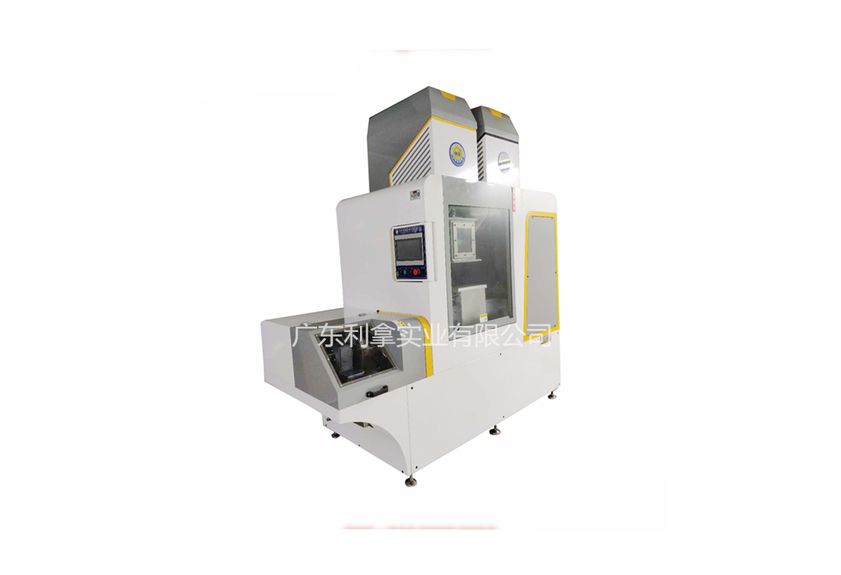
The Art of Particle Formation in Ceramic Powder Making Machines
Ceramic powder making machines are crucial tools in the ceramic industry, enabling the creation of finely dispersed ceramic powders that can be used in a wide range of applications. These machines use various techniques to break down raw materials into smaller particles, which are then refined and mixed together to form a uniform powder. In this article, we will explore the different types of particle formation mechanisms used in these machines, their advantages and disadvantages, and how they impact the quality of the final product.
One of the most common particle formation mechanisms in ceramic powder making machines is ball milling. This process involves grinding raw materials using small balls that rotate inside a container. The high speed and force of rotation cause the balls to crush and grind the material, resulting in a finer powder. Ball milling is advantageous as it produces a homogeneous and consistent particle size distribution, which is important for many applications. However, it also has some drawbacks, such as energy consumption and potential contamination from impurities in the raw materials.
Another popular technique used in particle formation is ultrasonic processing. In this method, high-frequency sound waves are used to break down the material into smaller particles. The energy from the sound waves causes the particles to vibrate and collide with each other, resulting in a more uniform and finer powder. Ultrasonic processing is particularly effective for materials that are difficult to grind or have complex structures. However, it requires specialized equipment and may not be suitable for all types of materials.
In addition to these two main techniques, there are several other methods used in ceramic powder making machines, such as dry pressing, wet pressing, and cold isostatic pressing. Each of these processes has its own unique advantages and disadvantages, depending on the specific requirements of the application. For example, dry pressing involves compacting the powder between two plates to remove air bubbles and improve the density of the powder. Wet pressing involves immersing the powder in a liquid to further reduce porosity and improve strength. Cold isostatic pressing involves applying pressure to the powder while it is still in a solid state, resulting in a more stable and dense structure.
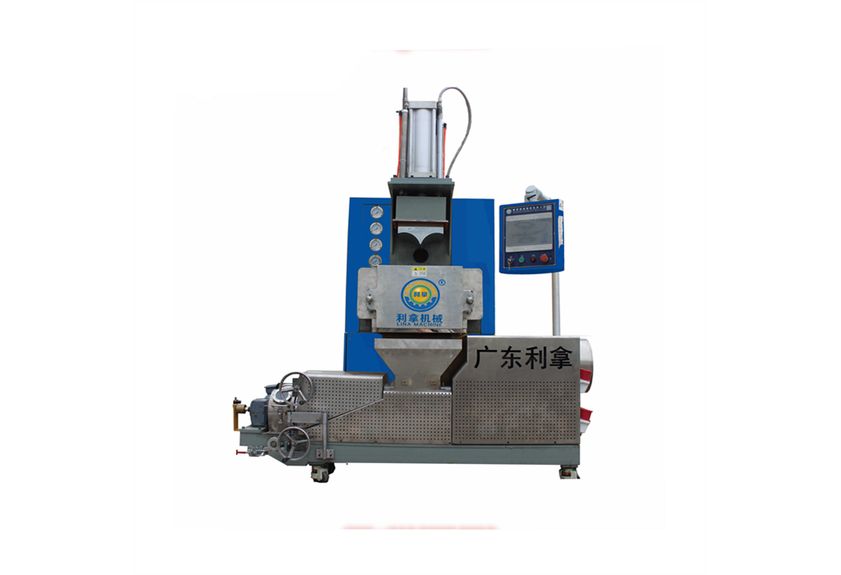
The quality of the final ceramic powder is influenced by several factors, including the type of particle formation mechanism used, the temperature and pressure during processing, and the purity of the raw materials. High-quality ceramic powders are typically characterized by a narrow particle size distribution, low impurity levels, and good structural integrity. To achieve these qualities, it is important to carefully control the conditions under which the powder is formed and processed.
In conclusion, ceramic powder making machines play a critical role in the production of high-quality ceramic materials. By understanding the different particle formation mechanisms available and their advantages and disadvantages, manufacturers can optimize their processes and produce products that meet the needs of their customers. With advances in technology and research, we can expect to see even more innovative and efficient particle formation techniques in the future, leading to even greater improvements in ceramic materials science and engineering.