



The Double Roll Mill: A Detailed Guide to Its Function and Applications
The double roll mill is a crucial piece of equipment in the rubber and plastic industry. It is used for mixing, kneading, and extruding materials such as rubber, plastics, and thermoplastic elastomers. This machine is essential for producing high-quality products that meet specific specifications. In this article, we will explore the functions of the double roll mill, its components, and how it works.
Functions of the Double Roll Mill:
1. Mixing: The double roll mill is used to mix two or more materials together, creating a homogeneous mixture. This process helps to ensure that the final product has a consistent texture and consistency.
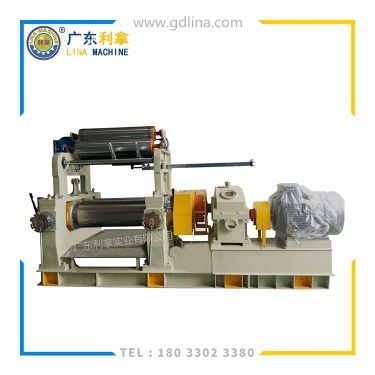
2. Kneading: The double roll mill is also used for kneading materials, which is important when producing vulcanized rubber products. The kneading process involves applying heat and pressure to the material, causing it to become softer and more pliable.
3. Extrusion: The double roll mill is used for extrusion, which is the process of forcing molten plastic through a die to form a continuous tube or sheet. This is an essential step in the production of various plastic products.
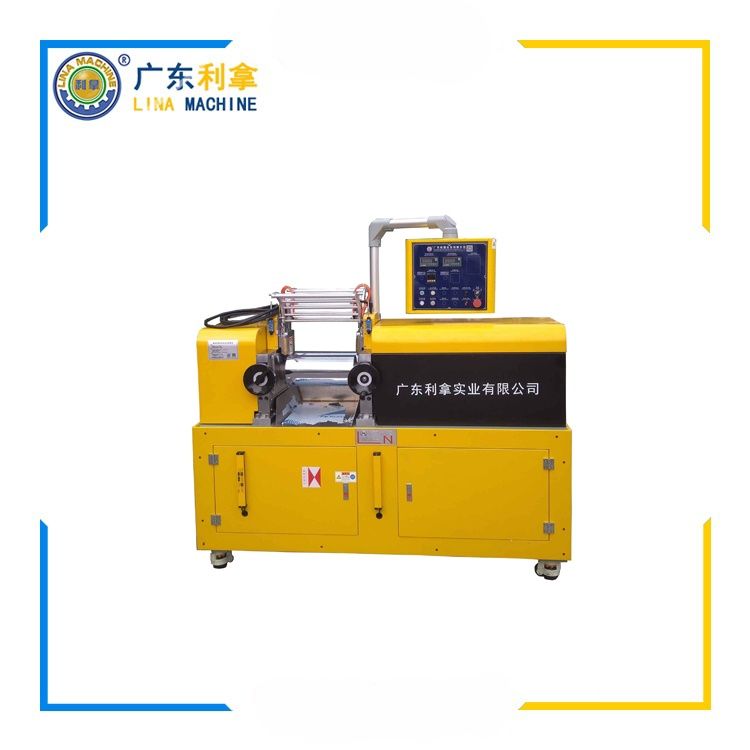
4. Shaping: The double roll mill can be used to shape materials into various shapes, such as sheets, tubes, and profiles. This is particularly useful when producing molded products.
5. Heat Treatment: The double roll mill can also be used for heat treatment, which involves applying heat to the material to improve its properties. This is important when producing materials with high temperature resistance or other special requirements.
Components of the Double Roll Mill:
The double roll mill consists of several key components, including the rolls, motor, drive system, and control system.
1. Rolls: The rolls are the most important component of the double roll mill. They are made of high-strength steel and are designed to withstand high temperatures and pressures. The rolls are mounted on a shaft that rotates at a high speed, resulting in the mixing, kneading, and extrusion of the material.
2. Motor: The motor is responsible for driving the rolls and providing the necessary power to operate the double roll mill. It is typically a high-speed motor that can handle high torque and high speeds.
3. Drive System: The drive system is responsible for transmitting the power from the motor to the rolls. It includes gears, belts, and pulleys, which allow the motor to rotate the rolls at high speeds.
4. Control System: The control system is responsible for monitoring and adjusting the operation of the double roll mill. It includes sensors, actuators, and software that enable the operator to control the speed, temperature, and other parameters of the machine.
How the Double Roll Mill Works:
The double roll mill operates by rotating two sets of rollers against each other. When the rollers are turned at high speeds, they create friction between them, which causes the material to be mixed, kneaded, and extruded. The heat generated by the friction helps to soften and melt the material, making it easier to shape and mold.
1. Double Roll Mill
2. Rubber Industry
3. Mixing Machine
4. Kneading Machine
5. Extrusion Process
6. Shaping Tool
7. Heat Treatment
8. High-Speed Rotation
9. Frictional Force
10. Molten Material
11. Temperature Resistance
12. Special Requirements
The double roll mill is a critical tool in the rubber and plastic industry, used for mixing, kneading, and extrusion of materials. It is essential for producing high-quality products that meet specific specifications. The machine consists of two sets of rollers that rotate against each other at high speeds, generating friction and heat to soften and melt the material. This process helps to achieve a uniform mixture and ensures that the final product has a consistent texture and consistency. The double roll mill is widely used in industries such as rubber, plastics, and thermoplastic elastomers, where it plays a vital role in the production process.