



Experimental Open Roller Mills: A Revolution in Rubber Technology
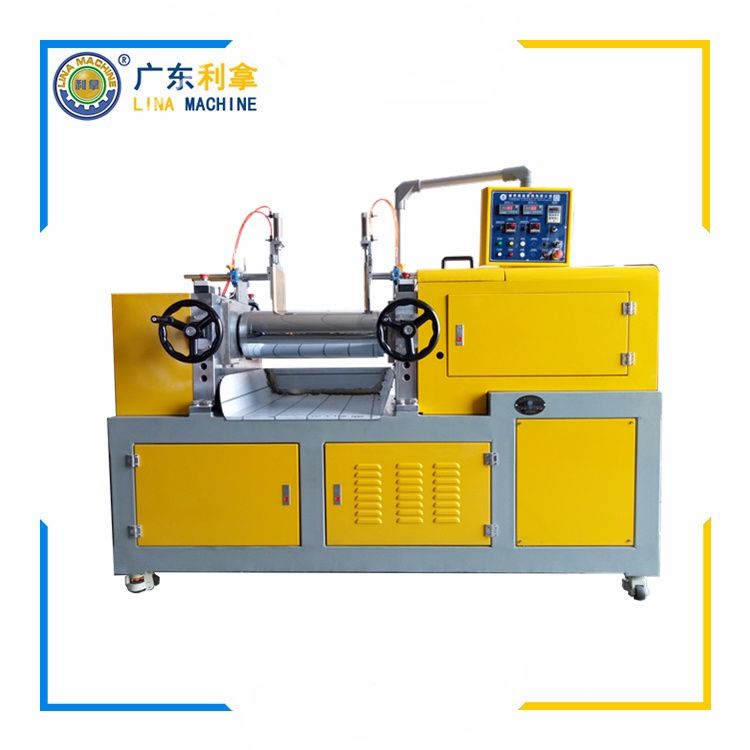
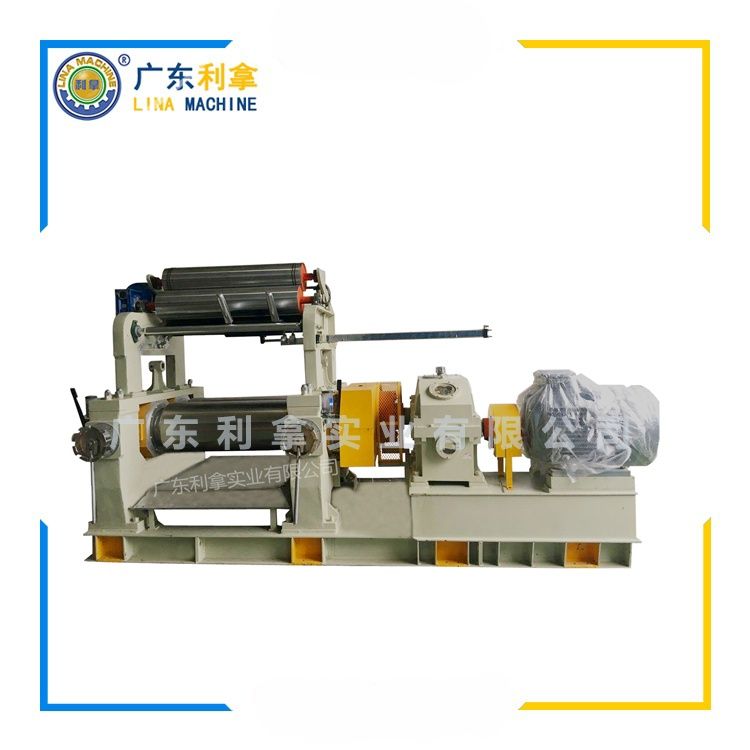
Open roller mills, also known as experimental open roll mills, are a crucial component of the rubber industry. These machines have been instrumental in revolutionizing the way rubber compounds are processed and refined. In this article, we will explore the features, benefits, and applications of these innovative machines.
Features of Experimental Open Roller Mills
1. Versatile Processing Capabilities: Experimental open roll mills are designed to handle a wide range of raw materials, including latex, vulcanized rubber, and natural rubber. They can be used to produce various types of rubber products, such as tires, hoses, and gloves.
2. High-Efficiency Production: These mills are capable of producing high-quality rubber compounds at a faster rate than traditional methods. This results in reduced production time and increased efficiency, which is particularly beneficial for large-scale operations.
3. Environmentally Friendly: Experimental open roll mills use eco-friendly solvents and processes to produce low-VOC (Volatile Organic Compounds) and non-toxic rubber compounds. This reduces the environmental impact of the rubber industry while still maintaining the quality and performance required by consumers.
Benefits of Experimental Open Roller Mills
1. Cost-Effectiveness: Experimental open roll mills offer significant cost savings compared to traditional methods. They require less raw material and energy, resulting in lower operating costs.
2. Product Quality: These mills produce rubber compounds with superior quality and consistency. The high-speed processing ensures that the final product meets or exceeds industry standards.
3. Innovation: Experimental open roll mills provide opportunities for innovation in the rubber industry. They enable researchers and engineers to develop new technologies and processes that can improve the overall performance and sustainability of the industry.
Applications of Experimental Open Roller Mills
1. Tire Manufacturing: Experimental open roll mills are widely used in tire manufacturing. They can be used to produce high-performance tires with improved safety, durability, and fuel efficiency.
2. Hose Manufacturing: These mills are essential for the production of hoses, which are used in various industries, such as agriculture, construction, and transportation. They can be used to produce hoses with better flexibility, strength, and resistance to wear and tear.
3. Glove Manufacturing: Experimental open roll mills are used in the production of gloves, which are essential for protecting hands from harmful chemicals and other hazards. These mills can be used to produce gloves with improved comfort, breathability, and moisture absorption properties.
In conclusion, experimental open roll mills represent a significant advancement in the rubber industry. Their versatile processing capabilities, high-efficiency production, and environmentally friendly nature make them an ideal choice for large-scale operations. As the demand for sustainable and high-quality rubber products continues to grow, the importance of these mills will only increase.