The Development of Hydrogen Fuel Cell Bipolar Plate Rolling Line
The hydrogen fuel cell, a promising technology for clean energy, is widely used in various fields such as transportation, power supply, and industry. One of the key components of a hydrogen fuel cell is the bipolar plate, which plays a crucial role in conducting current and providing mechanical support. To meet the increasing demand for high-quality bipolar plates, the development of a hydro-electrolyzer bipolar plate rolling line has become an important direction in the field of hydrogen fuel cell manufacturing.
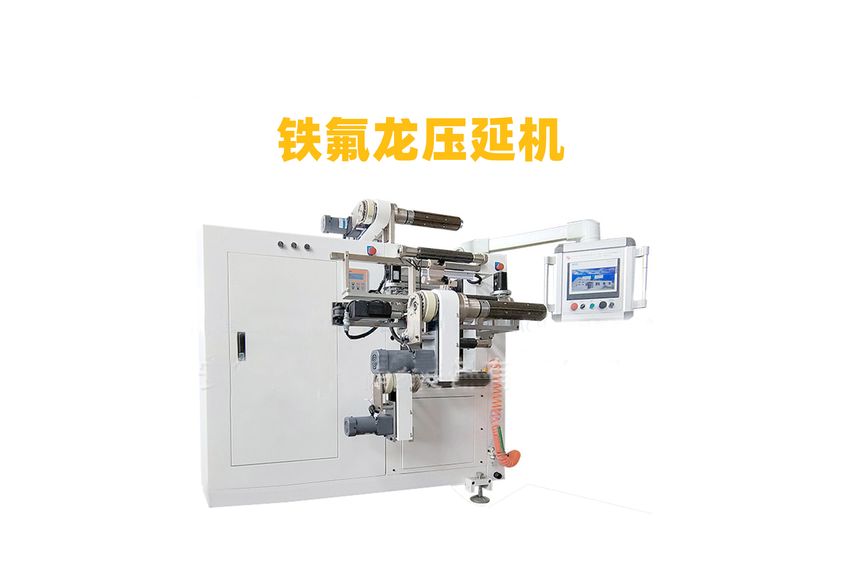
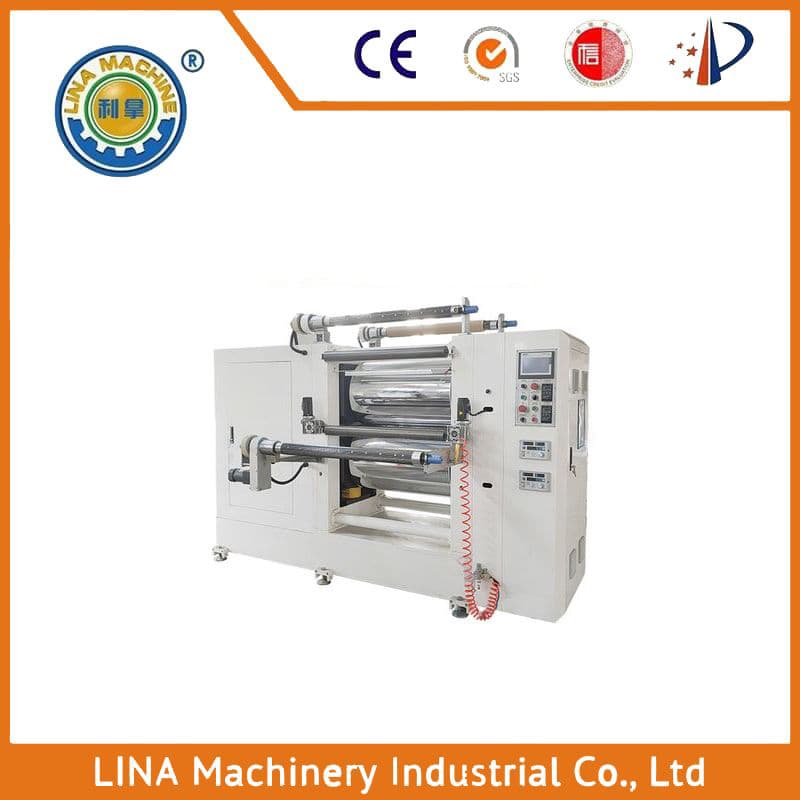
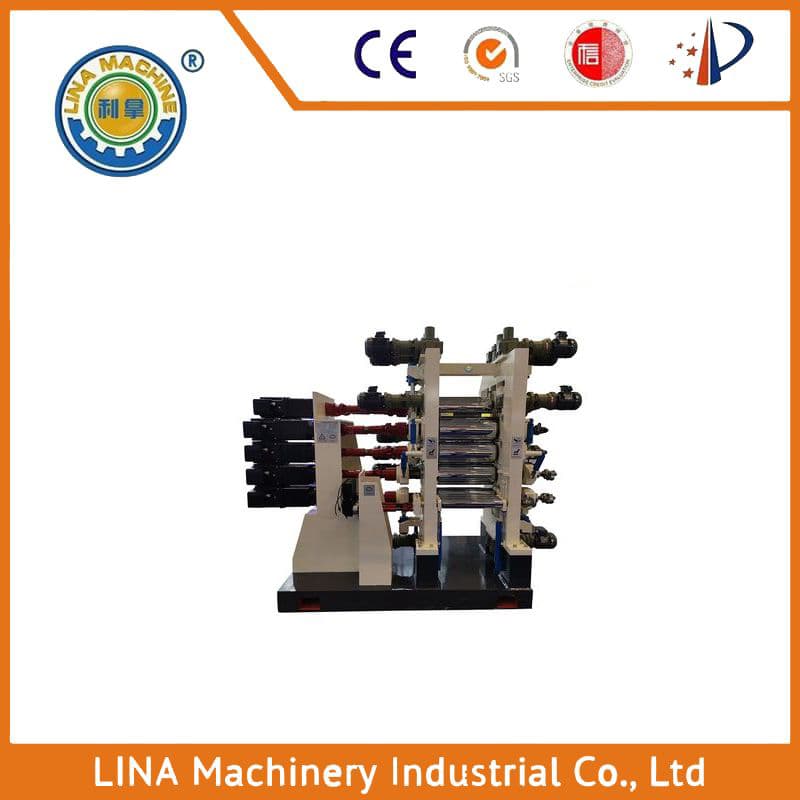
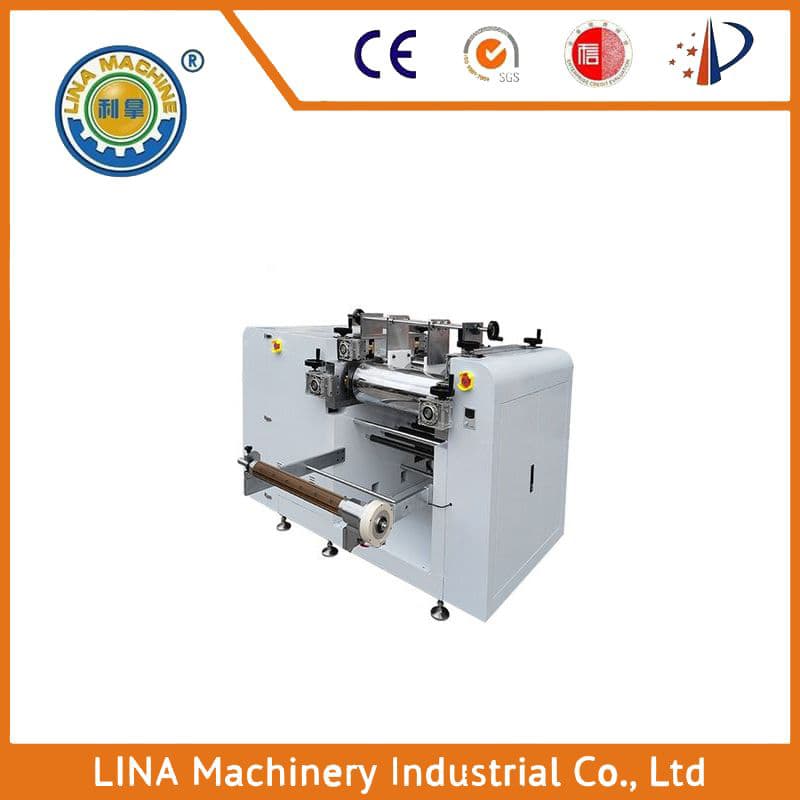
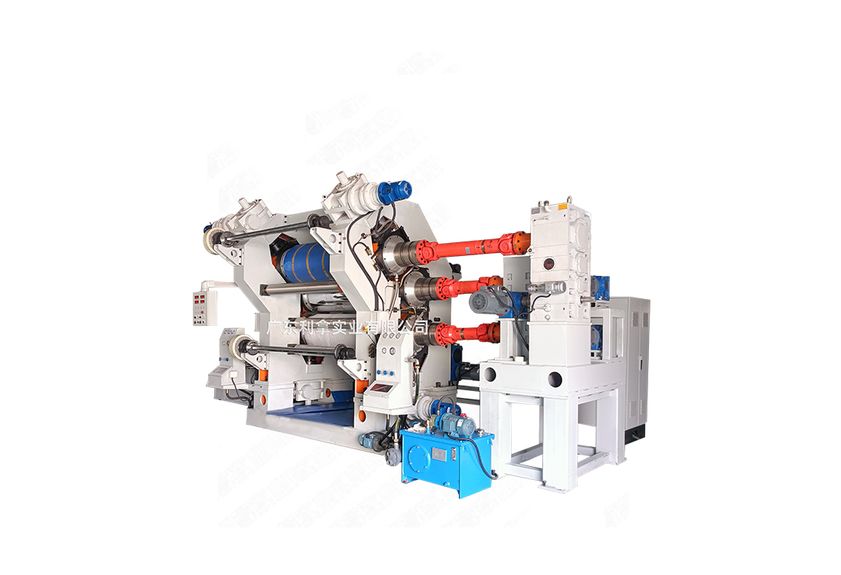
The hydro-electrolyzer bipolar plate rolling line is a specialized equipment that can produce bipolar plates with high precision and uniformity. It consists of several main parts, including the feeding system, rolling mill, cooling system, and inspection system. The feeding system is responsible for feeding raw materials into the rolling mill, while the rolling mill is the core component that performs the actual rolling process. The cooling system ensures that the bipolar plates are cooled down to prevent cracking during the rolling process, while the inspection system checks the quality of the bipolar plates before they are sent to the next step.
The hydro-electrolyzer bipolar plate rolling line has many advantages over traditional methods of producing bipolar plates. Firstly, it can achieve higher production efficiency and lower costs. By using advanced technology and automation, the production cycle time is reduced, and the labor cost is also reduced. Secondly, it can produce bipolar plates with better mechanical properties and electrical performance. The rolling process is precise and controlled, ensuring that the bipolar plates have good strength, flexibility, and durability. Thirdly, it can improve product quality and reduce defects. The inspection system can quickly detect any defects in the bipolar plates, allowing them to be discarded or repaired promptly.
In conclusion, the development of the hydro-electrolyzer bipolar plate rolling line is essential for promoting the application of hydrogen fuel cells. With its advantages in production efficiency, cost reduction, and product quality improvement, it will play a significant role in the future development of the hydrogen fuel cell industry.