
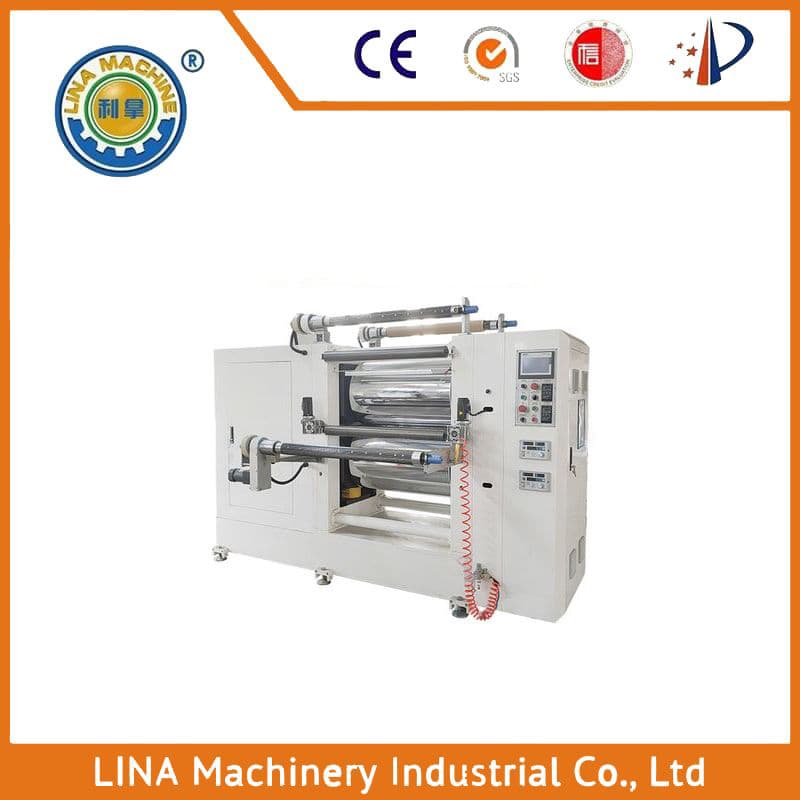
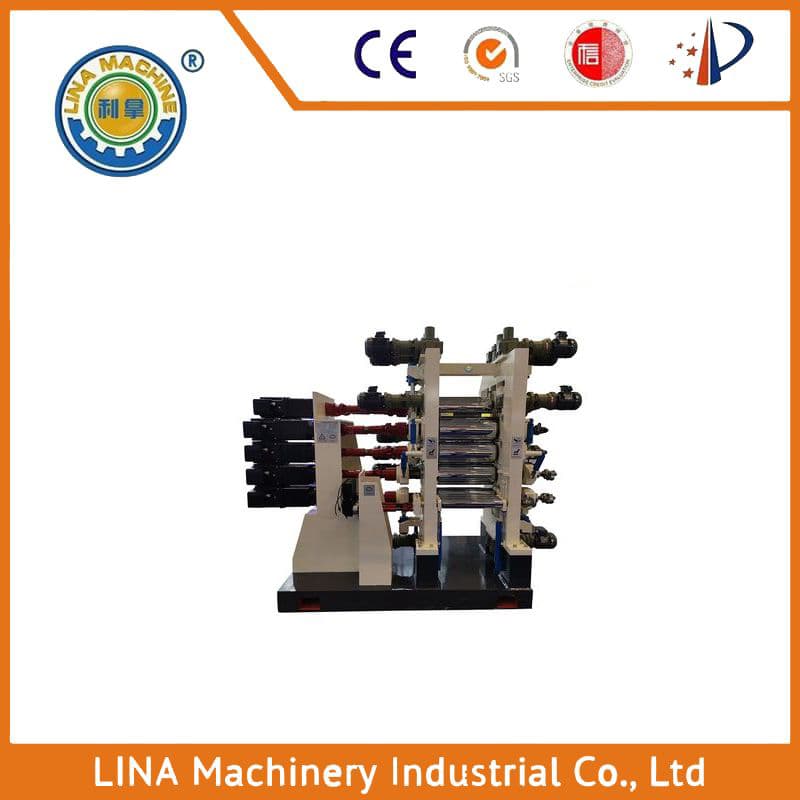
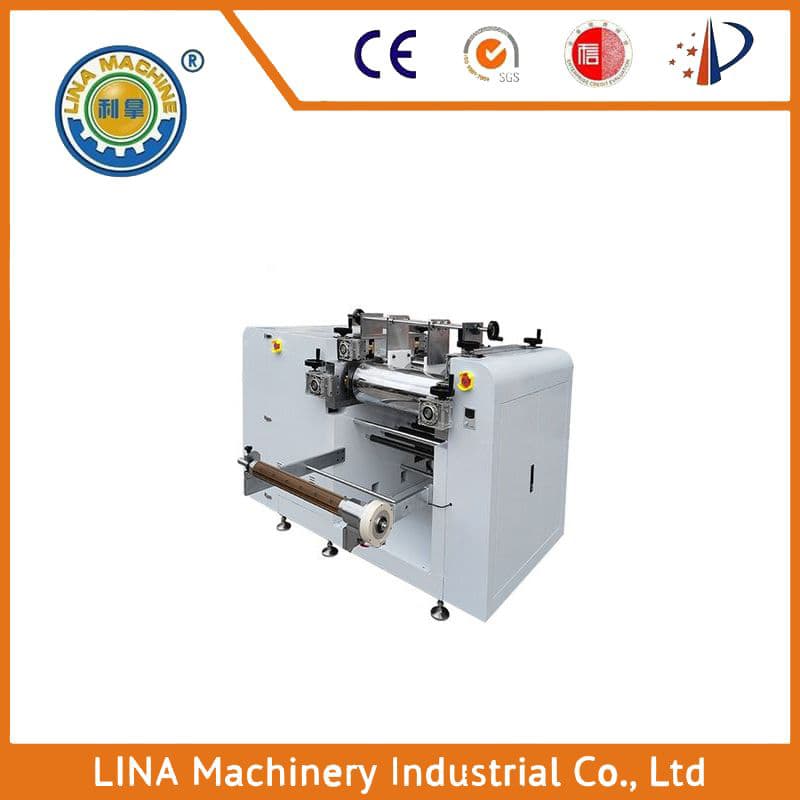
The Role of High-Temperature Material Granulators in the Manufacturing Industry
In the manufacturing industry, high-temperature material granulator machines play a crucial role in transforming raw materials into finished products. These machines are designed to process a wide range of materials, including plastics, metals, and ceramics, at temperatures that can exceed 1000°C. The primary purpose of these granulator machines is to create a uniform and compact form for the final product, which enhances its mechanical properties and reduces its weight.
One of the key features of high-temperature material granulator machines is their ability to handle a wide range of materials with different melting points and viscosities. This flexibility allows manufacturers to produce a variety of products, from simple shapes like beads and pellets to complex geometries like molded parts and injection-molded products. Additionally, these machines are highly efficient, producing high-quality granulated products with minimal waste and energy consumption.
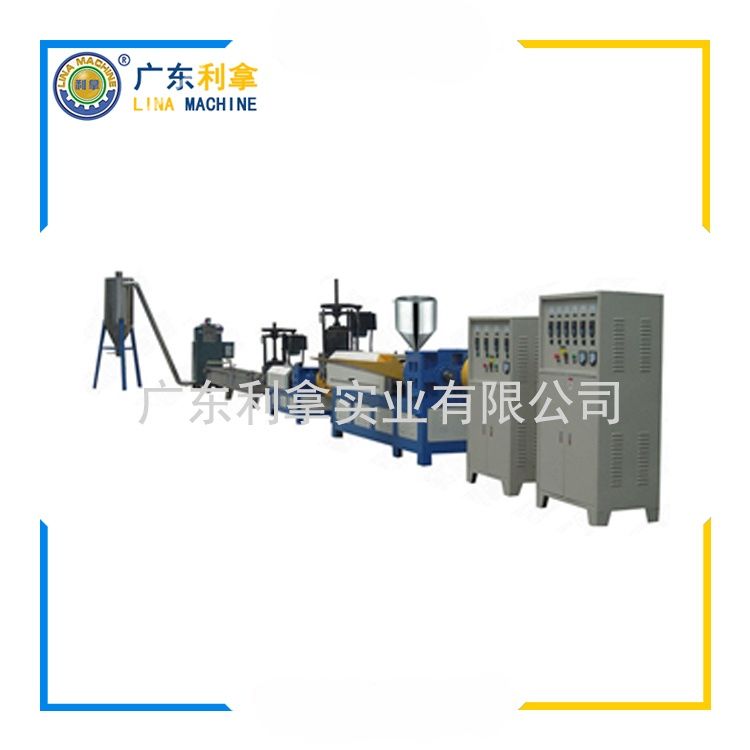
The design of high-temperature material granulator machines is optimized for maximum productivity and safety. They typically include advanced control systems that allow operators to adjust the temperature, pressure, and other parameters precisely to achieve optimal granulation results. The machines also feature robust construction materials and protective measures to ensure they can withstand high temperatures and harsh operating conditions.
In addition to their technical advantages, high-temperature material granulator machines have a significant impact on the environment. By reducing waste and minimizing energy consumption, these machines help to reduce greenhouse gas emissions and contribute to sustainable manufacturing practices. Furthermore, the use of renewable energy sources such as solar or wind power in these machines further supports environmental sustainability.
Conclusion:
High-temperature material granulator machines are essential tools in the manufacturing industry, enabling manufacturers to produce a wide range of high-quality products with minimal waste and energy consumption. Their advanced design, optimized control systems, and focus on environmental sustainability make them an indispensable part of modern industrial processes. As technology continues to advance, we can expect these machines to become even more sophisticated and efficient, driving innovation and growth in the global manufacturing landscape.